Few names in Architecture news carry the same weight as I.M. Pei. Across decades, his work has shaped how the world understands monumentality, elegance, and modern luxury—making his portfolio essential reading for anyone interested in luxury architecture, luxury home inspiration, and refined design thinking.
Although widely celebrated for civic and cultural icons, I.M. Pei’s design legacy also offers valuable lessons for luxury interiors, luxury home decor, and high-end architectural planning. His published body of work highlights a disciplined approach to geometry, light, materials, and landscape that continues to influence architects, designers, and homeowners alike.
I.M. Pei’s Lasting Relevance in Architecture News
In today’s Architecture news cycle, many projects chase novelty. I.M. Pei’s work stands apart because it proves that true architectural value comes from clarity, precision, and longevity. His profile includes published projects focused on cultural architecture, landscape architecture, and commercial architecture—three sectors where symbolism and public experience matter deeply.
What makes Pei so enduring in luxury design circles is his ability to merge modernism with emotional resonance. His buildings often feel sculptural without becoming theatrical. They are highly composed, yet never cold. That balance is especially important in luxury architecture, where visual impact must be matched by comfort, material richness, and a sense of permanence.
Why designers still study his work
- Geometric discipline: Clean lines and strong forms create instant visual identity.
- Masterful use of light: Natural illumination becomes part of the architecture itself.
- Material restraint: Stone, glass, and metal are used with elegance rather than excess.
- Contextual thinking: Buildings respond to landscape, culture, and urban surroundings.
- Timeless luxury: The work feels prestigious without relying on ornament overload.
9 Published I.M. Pei Projects and What They Reveal About Luxury Architecture
The published overview of I.M. Pei’s work may be selective, but it still captures the breadth of his influence. These nine featured projects point to a design language rooted in cultural depth, commercial intelligence, and landscape sensitivity. In Architecture news, this kind of range is rare—and it helps explain why Pei remains such a central figure in global design history.
Rather than seeing these projects as isolated commissions, it is more useful to read them as a set of recurring ideas. Together, they reveal how luxury design can be understated, highly intellectual, and powerfully experiential.
1. Cultural architecture as a luxury experience
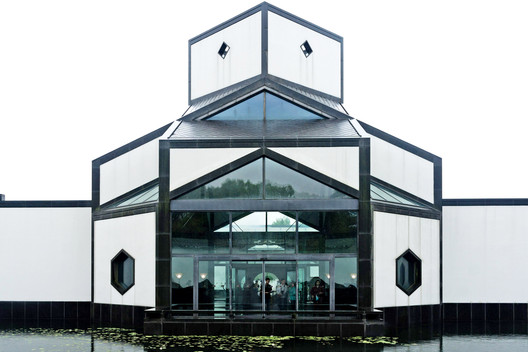
Pei’s cultural work demonstrates that luxury is not only about private living. Museums, civic institutions, and public landmarks can embody the same values prized in upscale homes: serenity, craftsmanship, spatial drama, and curated movement. His cultural buildings often guide visitors through carefully framed views, crisp transitions, and monumental volumes that feel both inspiring and calm.
2. Landscape architecture as an extension of the built form
Another reason I.M. Pei remains prominent in Architecture news is his sensitivity to site. Landscape is never treated as decoration. It functions as an architectural partner, helping define arrival sequences, perspective, and emotional atmosphere. For luxury homeowners, that approach translates beautifully into estate planning, garden design, pool environments, and outdoor entertaining spaces.
3. Commercial architecture with prestige and clarity
Pei’s commercial work shows that sophistication often comes from order rather than visual noise. High-end offices, mixed-use environments, and branded spaces can all benefit from this lesson. A restrained façade, precise detailing, and balanced proportions often communicate more status than trend-driven embellishment.
Design Lessons Luxury Homeowners Can Learn From I.M. Pei
Even if you are not commissioning a museum or tower, the principles behind Pei’s work can elevate residential design. This is one reason his projects continue to appear in Architecture news conversations: they offer ideas that scale from global landmarks to private homes.
Use geometry to create calm
Luxury homes frequently become overcomplicated in pursuit of exclusivity. Pei’s work suggests the opposite strategy. Strong geometric planning creates visual calm and spatial confidence. In a residence, this could mean:
- Symmetrical room arrangements
- Double-height spaces with clean sightlines
- Angular skylights or glazed atriums
- Minimal but impactful architectural detailing
Choose materials that age beautifully
Stone, glass, and metal are recurring signatures in modern luxury architecture because they weather with dignity. Rather than constantly refreshing decor, a Pei-inspired approach favors enduring finishes, tactile surfaces, and carefully selected contrasts. Think honed limestone, bronze accents, dark wood, and expansive glazing that captures shifting daylight.
Let light do the decorating
One of the most powerful takeaways from I.M. Pei’s legacy is that natural light can be the ultimate luxury home decor element. Instead of overcrowding a room with features, shape the architecture to frame sunlight, reflections, shadows, and exterior views. This creates a sophisticated atmosphere that feels expensive because it is spatially intelligent.
Why I.M. Pei Still Matters to Luxury Design Trends
Trend reports come and go, but the best Architecture news stories often return to architects whose work continues to shape contemporary taste. I.M. Pei belongs firmly in that category. His influence can be seen in today’s appetite for monolithic forms, gallery-like interiors, indoor-outdoor continuity, and quiet luxury aesthetics.
For readers following luxury decor and luxury home trends, Pei’s importance lies in his refusal to confuse extravagance with excellence. His architecture proves that true luxury is achieved through proportion, precision, and restraint.
Modern applications of Pei’s philosophy
- Designing homes around natural light instead of decorative clutter
- Using fewer, better materials with strong visual integrity
- Blending architecture and landscape into one seamless experience
- Creating iconic forms that remain elegant over time
- Prioritizing spatial drama with disciplined minimalism
Conclusion: What Architecture News Keeps Confirming About I.M. Pei
The continuing relevance of I.M. Pei in Architecture news is no accident. His published projects, spanning cultural, landscape, and commercial architecture, reflect a design philosophy that feels as luxurious today as it did decades ago. For architects, homeowners, and design enthusiasts, his legacy offers a clear lesson: enduring luxury is never accidental—it is shaped through geometry, light, material honesty, and deep respect for place.
As Architecture news continues to spotlight timeless design, I.M. Pei remains a benchmark for anyone seeking beauty that outlasts fashion. In luxury architecture and luxury home design alike, his work still defines what sophisticated modernism can be.