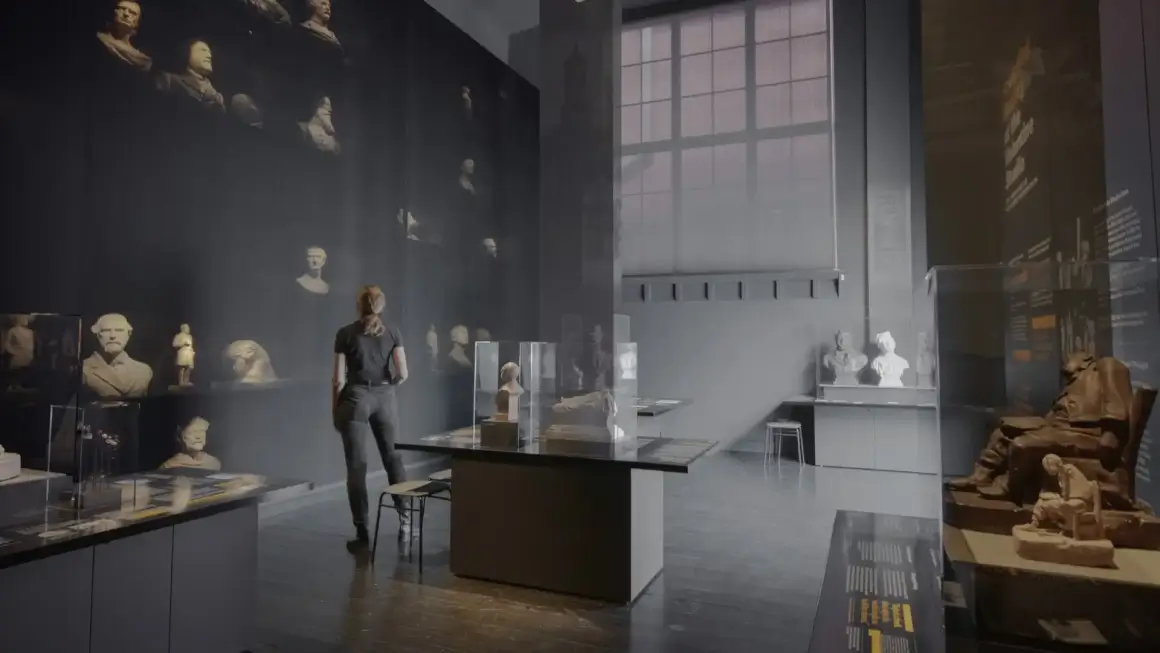
What happens when iconic architecture is tied to painful history? A new exhibition at the Valentine Museum in Richmond asks that question directly, inviting visitors to look beyond aesthetic legacy and confront how design, memory, and public space have long shaped cultural narratives.
For readers interested in luxury architecture, luxury design, and the future of preservation, this story offers a powerful reminder: great buildings and monuments are never only about form. They are also about values, patronage, and the stories a society chooses to elevate. In that sense, the Valentine Museum’s curatorial work is not just historical interpretation—it is a case study in how iconic architecture can be critically reexamined for a new era.
Why iconic architecture must be viewed in context
Architecture has always carried symbolic weight. Monumental works, memorial landscapes, and civic commissions often project power as much as beauty. That is why iconic architecture cannot be judged solely by craftsmanship, scale, or visual impact. Context matters.
The Valentine Museum’s studio exhibition focuses on a monument maker associated with Lost Cause imagery, a cultural movement that romanticized the Confederacy and distorted Civil War history. By reframing the maker’s output, the museum shifts attention from celebration to analysis. Instead of treating monuments as neutral artifacts, the exhibition explores how design was used to reinforce ideology in the public realm.
This approach aligns with broader shifts in architectural criticism and museum practice. Today, scholars, designers, and preservationists increasingly ask:
- Who commissioned the work?
- What political or social message did it serve?
- How did placement in streets, parks, and civic spaces influence public memory?
- What responsibilities do institutions have when presenting contested design legacies?
These are essential questions for anyone studying heritage design, museum exhibitions, or civic planning.
The Valentine Museum’s exhibition and its cultural significance
Located in Richmond—a city deeply tied to Civil War memory—the Valentine Museum is uniquely positioned to interpret the intersection of art, architecture, and historical narrative. Rather than isolating an individual designer’s technical skill, the exhibition reportedly examines the broader machinery behind monument creation: clients, civic ambition, and the social meanings attached to commemorative works.
That framing is especially important in discussions of iconic architecture. Many public monuments were designed to appear timeless and authoritative. Their materials, elevated pedestals, and prominent urban placement all contributed to a sense of permanence. Yet permanence in design can mask the fact that public values evolve.
By revisiting this body of work through a contemporary lens, the museum demonstrates how curatorial interpretation can transform understanding. The result is not a simple cancellation of historic objects, but a richer and more honest conversation about how architecture participates in memory-making.
From admiration to critical interpretation
For decades, many monuments were discussed in terms of style, composition, and artistic merit. While those elements remain relevant, they are no longer sufficient on their own. The Valentine Museum’s approach reflects a larger movement in which cultural institutions address the full life of a work, including the conditions of its creation and the consequences of its display.
That makes this exhibition particularly relevant to luxury design audiences. High-end design has always engaged with legacy, patronage, and symbolism. Whether in private estates, museum interiors, or civic landmarks, design choices communicate identity. Understanding this dynamic helps readers see why iconic architecture should be evaluated not only as an object of beauty, but also as an instrument of cultural storytelling.
What this means for preservation, museums, and luxury design
The debate around monuments is also reshaping preservation practice. In the past, preservation often emphasized physical survival above all else. Today, many institutions are broadening that mission to include interpretation, transparency, and community engagement.
For professionals in architecture and interiors, several lessons stand out:
- Design is never neutral. Materials, scale, siting, and ornament all influence how a message is received.
- Historical prestige does not erase ethical scrutiny. A work can be visually accomplished and still demand critical reassessment.
- Museums play a key role in reframing public understanding. Exhibitions can help audiences engage difficult histories without flattening complexity.
- Luxury and legacy are evolving. In contemporary luxury architecture, cultural intelligence and historical awareness increasingly matter as much as aesthetic distinction.
This is particularly relevant for readers following luxury home trends and collectible design. Today’s most thoughtful spaces often blend visual refinement with narrative depth. That same principle applies to public heritage: the most meaningful interpretation does not hide discomfort, but addresses it with rigor and clarity.
The future of contested monuments
As cities and institutions reconsider monuments linked to exclusionary histories, several strategies are emerging:
- Relocating works from celebratory public settings to museum contexts
- Adding interpretive materials that explain historical distortions
- Commissioning new works that broaden representation
- Encouraging public dialogue through programming and scholarship
These strategies do not produce one universal answer, but they do reflect a more mature understanding of iconic architecture and its civic impact. Buildings, statues, and memorial ensembles are not passive backdrops. They shape collective experience.
Why this conversation matters now
In an age when design is increasingly expected to be inclusive, sustainable, and socially aware, the reassessment of monuments feels especially urgent. The Valentine Museum’s exhibition signals that institutions can lead these conversations with nuance rather than spectacle. By confronting Lost Cause mythology through the lens of design history, the museum creates space for deeper public literacy.
For architecture lovers, the takeaway is clear: iconic architecture deserves both admiration and interrogation. The most influential works in the built environment often outlive the ideologies that produced them, making interpretation essential. This is where museums, historians, and design media can do their best work.
If you are exploring related topics, consider reading more on historic preservation, museum-led urban storytelling, and the ethics of monument design through our internal coverage of Luxury Architecture, Luxury Design, and Luxury Home.
Conclusion: iconic architecture deserves honest storytelling
The Valentine Museum’s reframing of a monument maker tied to the Lost Cause is more than an exhibition story—it is a blueprint for how institutions can handle difficult design legacies with intelligence and care. By placing iconic architecture back into its political and cultural context, the museum reminds us that preservation without interpretation is incomplete.
Ultimately, the future of iconic architecture lies not in uncritical reverence, but in informed, transparent storytelling. When we understand how architecture shapes memory, we are better equipped to design—and preserve—a built environment that reflects the values of the present as well as the lessons of the past.