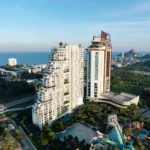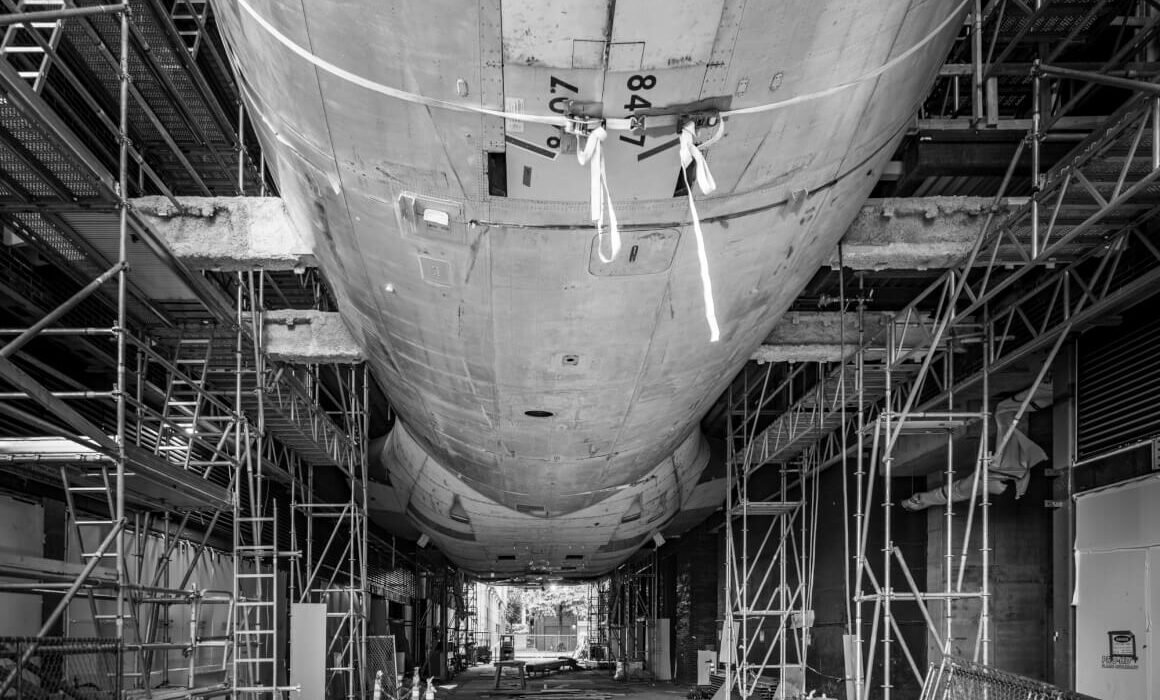
Seattle has never been shy about bold design, but this latest example of iconic architecture raises the bar—literally and symbolically. In a striking fusion of engineering heritage and contemporary luxury, a new Seattle skyscraper integrates a Boeing 747 jet fuselage into its lobby, turning a familiar piece of aviation history into an unforgettable architectural statement.
The concept, developed by Gregory Henriquez, OSO, and Montalba Architects, does more than create visual drama. It links the tower to the city’s manufacturing identity, celebrating Seattle’s long-standing relationship with aerospace while redefining what luxury design can look like in a high-rise residential environment. For readers interested in Luxury Architecture, Luxury Design, and elevated interiors, this project offers a compelling case study in storytelling through space.
Why This Seattle Tower Is a New Benchmark for Iconic Architecture
Great buildings often become landmarks because they tell a larger story. That is exactly why this project stands out within today’s conversation around iconic architecture. Rather than relying solely on height, glass, or spectacle, the design introduces an artifact with deep cultural and industrial meaning: a Boeing 747 fuselage section placed within the building’s lobby.
That move instantly anchors the project in place. Seattle is globally associated with aerospace innovation, advanced manufacturing, and engineering talent. By embedding part of a jumbo jet into the arrival experience, the design team creates an emotional and civic connection that goes beyond decoration.
This approach reflects a broader shift in luxury real estate and hospitality-inspired residential design. Today’s most memorable towers are not just polished—they are contextual. They draw from local history, materials, and identity to create spaces that feel singular rather than generic.
A Design Gesture With Cultural Weight
The airplane fuselage is not simply an eye-catching lobby centerpiece. It operates as a symbol of movement, invention, and ambition—qualities long associated with Seattle itself. In that sense, the project demonstrates how iconic architecture can function as urban storytelling.
- Historical connection: References Seattle’s aerospace legacy and manufacturing economy.
- Spatial drama: Introduces scale, curvature, and material contrast inside the lobby.
- Luxury differentiation: Gives the tower a one-of-a-kind identity in a competitive market.
- Place-making: Helps residents and visitors feel rooted in the city’s history.
From Industrial Artifact to Luxury Lobby Experience
What makes this concept especially compelling is the contrast between industrial engineering and refined interior design. Aircraft components are built for performance, precision, and endurance. Lobby environments, by contrast, are typically designed for atmosphere, comfort, and visual prestige. Bringing those worlds together creates a layered design language that feels both sophisticated and unexpected.
In luxury interiors, standout features often rely on rare stone, custom lighting, or museum-quality art. Here, the aircraft fuselage becomes all three in spirit: a sculptural object, a historical artifact, and a conversation piece. That crossover is exactly what gives the project such strong relevance in the worlds of Luxury Decor and premium residential development.
What the Fuselage Adds to the Interior
Architecturally, the curved body of a 747 introduces forms that conventional tower lobbies rarely achieve. The fuselage’s geometry softens hard vertical lines and adds a sense of motion inside an otherwise static space. Depending on material detailing, lighting, and surrounding finishes, the installation can feel cinematic, gallery-like, or almost surreal.
It also creates a multi-sensory arrival sequence. Residents and guests are not simply entering a building; they are stepping into an experience shaped by Seattle’s identity. That is a hallmark of iconic architecture in the luxury sector: design that leaves a lasting impression from the very first moment.
How Adaptive Reuse and Storytelling Strengthen Iconic Architecture
Although this project is a new-build skyscraper, the inclusion of a reclaimed or repurposed aircraft component aligns with broader architectural trends such as adaptive reuse, sustainable sourcing, and narrative-driven design. Modern audiences increasingly value buildings that reflect environmental awareness and cultural intelligence—not just visual excess.
Using a jet fuselage in this way suggests a design ethos that sees beauty in reinvention. It transforms an object associated with travel and production into one associated with arrival, residence, and permanence. That kind of conceptual shift is one reason iconic architecture continues to evolve beyond formal spectacle into meaning-rich environments.
Key Takeaways for Designers and Developers
- Local identity matters: Referencing regional history creates authenticity.
- Unexpected materials elevate interest: Industrial elements can feel luxurious when thoughtfully integrated.
- Narrative adds value: Buyers and visitors remember spaces with a story.
- Experiential design wins: Memorable lobbies can shape brand perception for an entire tower.
What Luxury Home and Design Audiences Can Learn From This Project
Even for readers focused on Luxury Home inspiration rather than commercial towers, the lessons here are highly relevant. The project shows that luxury is no longer defined only by expensive finishes. It is increasingly shaped by originality, provenance, and emotional resonance.
Homeowners, interior designers, and architects can apply the same thinking on a smaller scale by incorporating meaningful statement pieces, reclaimed materials, or regionally inspired forms. Whether it is a salvaged timber beam, a heritage metal detail, or a sculptural custom installation, the principle is the same: design becomes more compelling when it carries a story.
That is why this Seattle skyscraper resonates so strongly in conversations around iconic architecture, high-end interiors, and future-facing urban living. It proves that luxury spaces can be both polished and deeply rooted in place.
Conclusion: A Powerful Example of Iconic Architecture With Real Identity
In a skyline filled with ambitious towers, this project distinguishes itself through meaning as much as form. By placing a Boeing 747 fuselage inside the lobby of a new skyscraper, the design team has created a vivid piece of iconic architecture that honors Seattle’s manufacturing legacy while delivering a dramatic luxury experience.
The clearest takeaway is this: the most memorable design does not just look impressive—it connects people to history, place, and purpose. For architects, developers, and luxury homeowners alike, this is a reminder that iconic architecture is at its best when it tells a story no other building can tell.