
Ireland alumina sales to Russia have become one of the most closely watched trade controversies in Europe, exposing how a seemingly technical supply-chain issue can carry major geopolitical consequences. What looks like an industrial policy debate is quickly turning into a defining test of sanctions credibility, ethical sourcing, and Europe’s willingness to align commerce with its values.
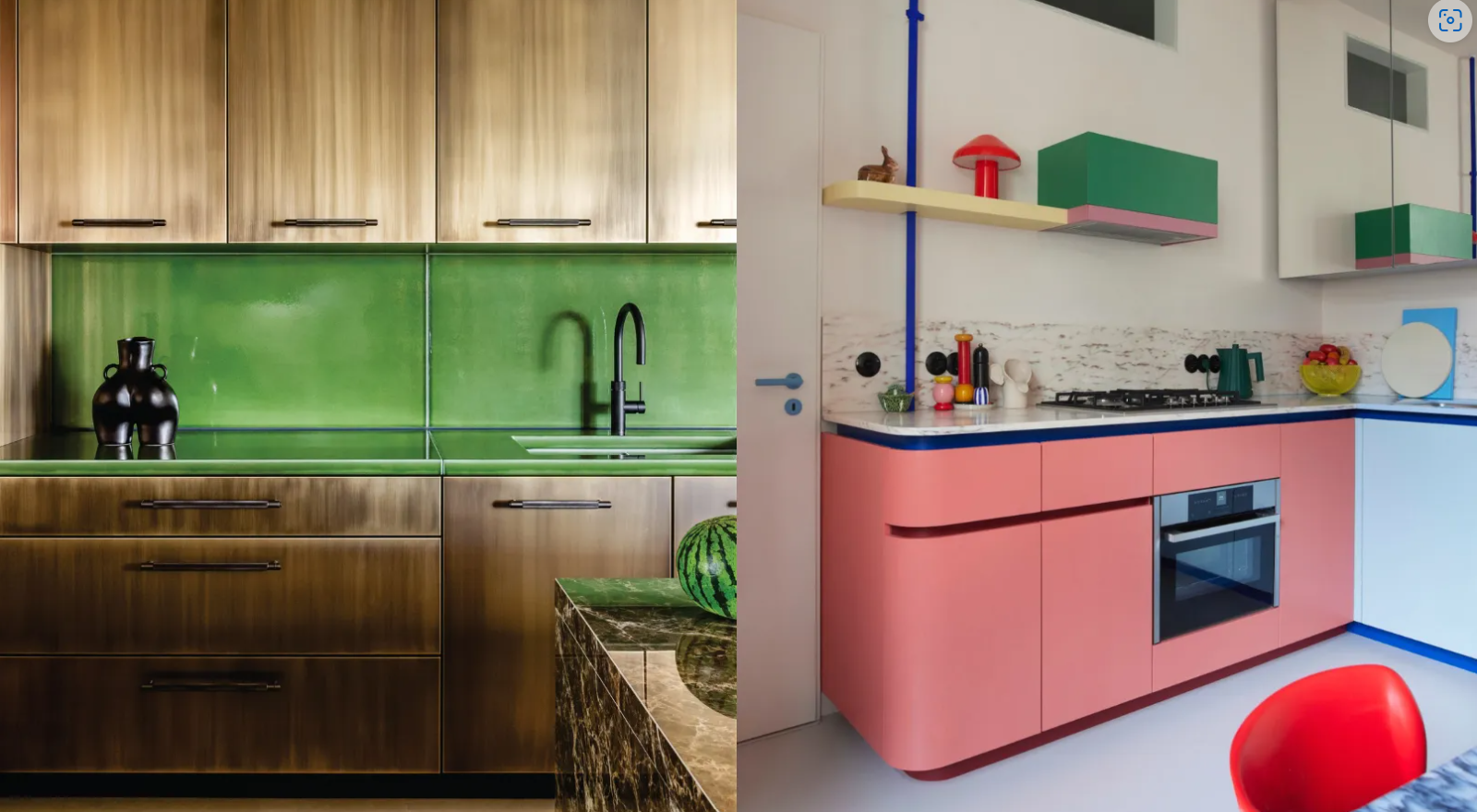
Although the story originates in EU trade and foreign policy, it also resonates with audiences interested in luxury brands, luxury decor, and luxury design. Aluminium is a foundational material in high-end architecture, premium interiors, designer furniture, lighting, transport, and luxury manufacturing. When the upstream supply of alumina becomes politically contentious, the ripple effects can reach every sector that depends on refined metals, responsible sourcing, and stable European supply chains.
Ireland alumina sales to Russia under growing scrutiny
The central issue is straightforward: alumina, a white powder used to produce aluminium, is still not covered by EU sanctions, even though aluminium is widely used across industrial and military applications. Ireland is now facing pressure to support restrictions on this trade after reports linked Irish-produced alumina to Russian smelters within a broader network tied to the Russian economy.
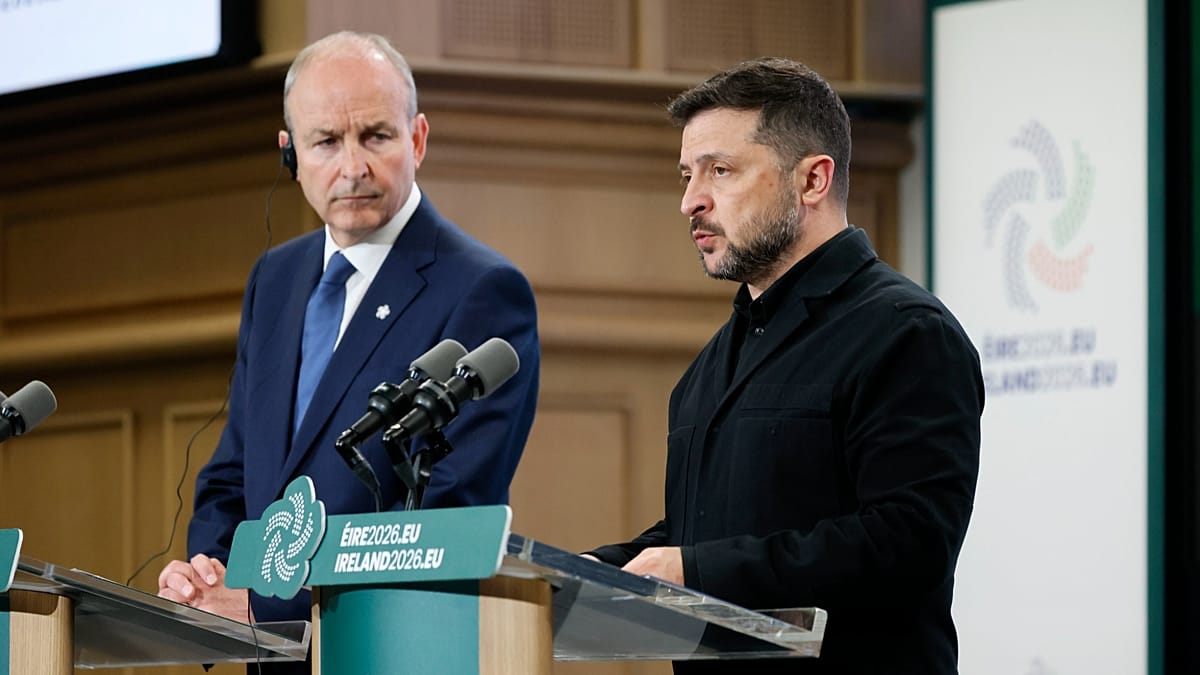
Irish leaders have said no final position will be taken until an internal investigation determines the ultimate destination of exports. Prime Minister Micheál Martin stressed that Dublin wants the facts before acting, while Deputy Prime Minister Simon Harris argued that Ireland does not intend to “cherry-pick” sanctions rules and remains a committed supporter of economic pressure on Moscow.
That balancing act is politically delicate. On one side is Ukraine’s demand for tougher action. On the other are concerns about jobs, environmental obligations, industrial continuity, and Europe’s own dependence on critical raw materials.
Why alumina matters to Europe’s industrial and luxury ecosystems
For many readers, alumina may sound far removed from luxury markets. In reality, it sits at the base of a vast value chain. Aluminium derived from alumina is prized for being lightweight, durable, corrosion-resistant, and visually versatile. Those qualities make it important not only in aerospace and automotive sectors, but also in premium consumer and design categories.
In the world of luxury design and decor, aluminium appears in:
- High-end window and façade systems for modern architecture
- Designer lighting and custom furniture frames
- Luxury kitchen and bathroom fittings
- Premium travel accessories and luggage hardware
- Bespoke retail interiors for flagship boutiques
- Yacht, private aviation, and prestige mobility design
Because of this, Ireland alumina sales to Russia are not just a political headline. They raise broader questions about whether premium industries can maintain elegant, sustainable branding while relying on opaque or ethically disputed upstream supply routes.
The pressure from Ukraine and EU institutions
The controversy intensified after Ukrainian President Volodymyr Zelenskyy visited Dublin at the start of Ireland’s EU Council presidency. He made a direct case for ending the flow of raw materials that could strengthen Russia’s war economy, arguing that every tonne matters when industrial inputs can be converted into military capability.
That argument has gained traction among European lawmakers and policymakers who believe loopholes in sanctions weaken the EU’s overall strategy. Critics say that if Europe restricts finished goods, technologies, and financial channels but leaves strategic raw materials untouched, the sanctions regime looks inconsistent.
For Ireland, the optics are especially sensitive. As holder of the rotating EU Council presidency, Dublin is expected to project unity, discipline, and moral clarity. The ongoing debate over Ireland alumina sales to Russia therefore carries symbolic weight beyond the trade itself.
The Aughinish factor and the supply chain dilemma
At the heart of the debate is Aughinish Alumina in western Ireland, described as Europe’s largest alumina refinery. Reports have alleged that the plant’s parent-company structure and downstream commercial relationships connect its output to Russian industry. The company has maintained that its operations are lawful because alumina is not currently sanctioned.
That legal defense, however, has not ended the controversy. The deeper challenge is strategic: if sanctions were imposed, what would happen to local employment, regional industry, and Europe’s alumina security?
Irish officials have acknowledged those risks while pushing back against suggestions that the issue comes down to a stark choice between accepting the status quo or triggering industrial collapse. Harris in particular has argued that Europe has repeatedly shown it can protect supply chains while tightening restrictions where necessary.
Key concerns now include:
- Employment: Hundreds of jobs may be linked directly or indirectly to refinery operations.
- Industrial resilience: Europe wants to reduce dependency, not create new shortages.
- Compliance and traceability: Authorities need clarity on where material ends up.
- Reputation risk: Businesses tied to contested supply routes face mounting scrutiny.
What luxury brands and designers should take from this story
The lesson for premium sectors is clear: material provenance is no longer a back-office issue. It is a brand issue. Consumers, investors, and regulators increasingly expect transparency not only for gemstones, leather, and timber, but also for industrial materials used in luxury construction, collectible design, and high-end product manufacturing.
For luxury brands, Ireland alumina sales to Russia illustrate three emerging realities:
- Supply chain ethics are becoming part of brand value.
- Raw-material sourcing can affect reputation as much as finished-product storytelling.
- European sourcing is not automatically controversy-free if ownership and export routes are complex.
In practical terms, luxury houses, architects, and interior studios may need to ask tougher questions of suppliers about origin, sanctions exposure, parent-company control, and downstream destinations. The age of assuming that commodity inputs are politically neutral is over.
What happens next?
The immediate next step is the completion of Ireland’s internal probe, followed by discussions with the European Commission. That process will likely shape whether Ireland supports tougher EU action, seeks a managed transition, or pushes for a narrower compliance framework that avoids a sudden shock to the market.
Whatever the outcome, Ireland alumina sales to Russia have already exposed a larger truth about Europe’s economy: strategic materials can no longer be separated from strategic values. From geopolitical security to luxury design supply chains, the provenance of metals matters more than ever.
As this debate unfolds, the clearest takeaway is that Ireland alumina sales to Russia are about much more than one refinery or one trade route. They are a test of whether Europe can reconcile industrial pragmatism with ethical accountability—and whether sectors built on premium quality can also demand premium transparency.