

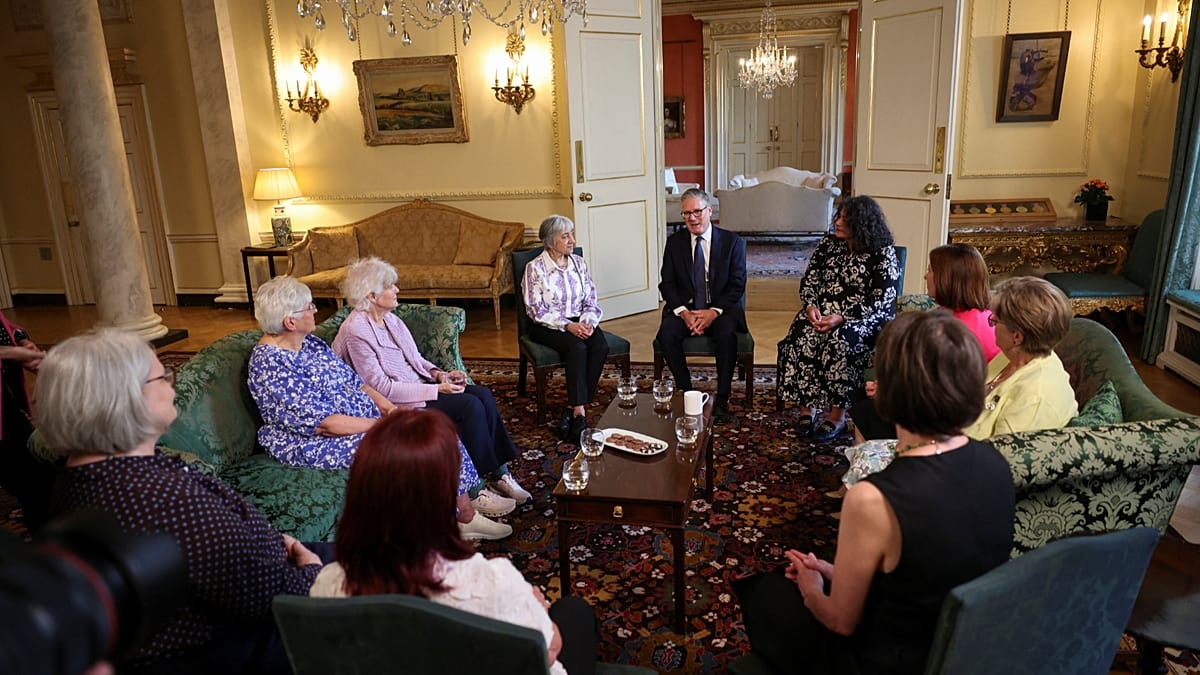
In a moment of national reckoning, Keir Starmer’s forced adoptions apology has brought one of Britain’s most painful social histories back into public view. While the story sits far from the world of luxury brands, luxury decor, and luxury design, it speaks directly to the cultural values that shape modern taste: dignity, legacy, social responsibility, and the human cost of image-driven institutions.
The UK prime minister formally apologised in Parliament for the state’s role in decades of forced adoption practices affecting unmarried mothers and their children. The apology marks a major shift in official recognition, especially after earlier resistance from the previous Conservative government, which had argued that the state did not actively support such practices.
Keir Starmer’s Forced Adoptions Apology Signals a Historic Policy Shift
Keir Starmer’s forced adoptions apology centres on practices that took place between 1949 and 1976 in England and Wales, when around 185,000 babies born to unmarried women were adopted by married couples. For years, campaigners said women were pressured, misled, bullied, or coerced into surrendering their babies. Many were hidden away during pregnancy in institutions and made to feel shame for being unmarried mothers.
In his statement, Starmer said the actions were not isolated incidents but part of systems embedded across public authorities, faith-based organisations, voluntary bodies, and health and social care services. He made clear that the state bore responsibility for funding and legitimising structures that allowed these abuses to happen.
That acknowledgement matters. A formal apology from the British government does more than revisit the past; it establishes accountability and opens the door to practical support for those affected.
What Happened During the Forced Adoption Era?
The forced adoption era in the UK was shaped by deep social stigma surrounding unmarried motherhood. Women were often told they were unfit, immoral, or incapable of raising children outside marriage. Their babies were frequently presented as better off with married adoptive parents, a narrative reinforced by institutions and social expectations of the time.
Key features of the system included:
- Pressure on unmarried mothers to give up their babies
- Use of maternity homes or institutions to isolate pregnant women
- Limited informed consent around adoption procedures
- Long-term secrecy surrounding adoption records
- Psychological trauma for both mothers and children
Children often grew up believing they had been abandoned or unwanted. Mothers carried decades of grief, guilt, and social shame. Keir Starmer’s forced adoptions apology directly addressed this emotional legacy by stating that the shame belonged not to the women, but to the institutions and society that failed them.
Why the Apology Matters Beyond Politics
The significance of Keir Starmer’s forced adoptions apology reaches beyond Westminster. It reflects a wider trend in modern public life: institutions are increasingly being asked to confront the harm hidden behind polished reputations, respectable appearances, and neatly packaged narratives.
That idea resonates even in luxury sectors. Luxury design and premium branding are built on heritage, symbolism, and the curation of values. Today’s audiences expect more than beauty or prestige; they also expect ethical awareness, historical honesty, and transparent stewardship of legacy.
In that sense, this apology highlights a broader cultural lesson:
- Image can conceal injustice. Respectable systems can still produce deep harm.
- Legacy requires accountability. Institutions must own the parts of history they would rather ignore.
- Repair is part of reputation. Public trust is strengthened when leaders acknowledge wrongdoing.
For industries rooted in status and heritage, these themes are increasingly relevant. Consumers of luxury goods and interiors are more attuned to the moral stories behind institutions, aesthetics, and influence.
Campaigners Drove This Moment of Recognition
This apology did not happen in isolation. Campaigners, survivors, and advocacy groups spent years pushing for official acknowledgement. In 2022, Parliament’s Joint Committee on Human Rights urged the government to apologise for the pain caused by public institutions and state employees involved in unwanted adoptions.
Scotland and Wales issued apologies in 2023, but the UK government at the time declined to do so. The change under Starmer is therefore politically and symbolically significant. It signals a willingness to revisit difficult chapters of British social policy and to listen to long-ignored voices.
Some campaigners were present in the House of Commons gallery for the statement, giving the event added emotional weight. For many, the apology is not the end of the story, but the beginning of a more meaningful process of support and redress.
What Support Has Been Announced?
Alongside Keir Starmer’s forced adoptions apology, the government said it would introduce measures to help affected mothers and adopted people. These include practical and emotional support designed to address the lasting consequences of forced separation.
Announced areas of support include:
- Better access to adoption records
- Improved mental health support
- Recognition of lifelong trauma experienced by mothers and children
Access to records is especially important, as many adoptees and birth mothers have spent decades searching for answers, family connections, and personal history. Mental health support also reflects a growing understanding that forced adoption was not simply an administrative practice, but a profound emotional rupture.
A National Reckoning with Shame, Class, and Control
At its core, this story is about how shame was weaponised through official and social systems. It was also shaped by class, gender expectations, and rigid ideas of family respectability. Women who did not fit the approved model of domestic life were often denied agency over their own children.
Keir Starmer’s forced adoptions apology reframes that history in stark terms: the mothers were not the problem; the system was. That distinction matters for public memory, legal debate, and social healing.
It also serves as a reminder that design, culture, and power are never entirely separate. The environments institutions create, from maternity homes to state offices to places of worship, can either uphold dignity or strip it away. That makes this more than a political headline; it is part of a larger conversation about how societies organise care, authority, and belonging.
Conclusion: Why Keir Starmer’s Forced Adoptions Apology Will Endure
Keir Starmer’s forced adoptions apology is a landmark acknowledgement of state-backed harm that affected tens of thousands of mothers and children across the UK. More importantly, it recognises that silence, stigma, and institutional respectability can leave wounds that last for generations.
The clearest takeaway is this: real legacy is not built by avoiding uncomfortable truths, but by facing them. As Britain confronts this painful chapter, the apology may become a model for how modern institutions, whether political, cultural, or commercial, can begin to repair trust through honesty, responsibility, and humane action.