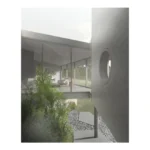
At Expo 2025 Osaka, the Kuwait Pavilion is emerging as a striking example of iconic architecture—a project that blends symbolism, sustainability, and national storytelling into one unforgettable form. Conceived by LAVA Architects as a “visionary lighthouse,” the pavilion transforms Kuwait’s maritime identity and future ambitions into a sculptural destination designed to capture global attention.
For readers drawn to luxury architecture, luxury design, and culturally expressive spaces, this pavilion offers more than visual drama. It shows how world expo architecture can become immersive, meaningful, and future-facing while elevating the conversation around innovation, hospitality, and design excellence.
Kuwait Pavilion: Iconic Architecture with a Powerful Narrative
The strongest public buildings do more than shelter exhibitions—they communicate values. In that sense, the Kuwait Pavilion stands out as iconic architecture because its form is rooted in identity. The “lighthouse” concept evokes guidance, exchange, and Kuwait’s long-standing relationship with the sea, positioning the nation as both guardian of heritage and beacon of progress.
Rather than relying on spectacle alone, the design appears to use architecture as narrative infrastructure. That is what often separates memorable expo pavilions from forgettable ones: a clear story translated into space, light, and movement. Here, the pavilion’s symbolism likely resonates on several levels:
- Maritime heritage: referencing Kuwait’s coastal history and trading legacy
- National ambition: presenting the country as forward-looking and globally engaged
- Cultural openness: welcoming international audiences through immersive design
- Guiding light metaphor: suggesting innovation, vision, and leadership
This layered storytelling is one reason iconic architecture remains so influential in global events. It creates a lasting image while deepening emotional connection.
A Lighthouse Concept Tailored for Expo 2025 Osaka
World expos demand architecture that can perform on multiple levels: it must attract, orient, educate, and inspire. The Kuwait Pavilion appears calibrated for exactly that challenge. By framing the structure as a lighthouse, the architects introduce a universally recognizable symbol, then reinterpret it through contemporary design language suited to Expo 2025 Osaka.
In practical terms, this concept offers several architectural advantages:
- Instant visual identity in a competitive expo environment
- Clear thematic coherence for visitor experience and exhibition design
- Strong day-to-night presence through light, silhouette, and spatial drama
- Memorable placemaking that supports tourism, media coverage, and digital sharing
For luxury design audiences, this is especially compelling because the pavilion demonstrates how large-scale civic architecture can borrow from the emotional power of high-end hospitality design: atmosphere, anticipation, and sensory storytelling. If you enjoy reading about immersive environments, our internal coverage on luxury architecture trends and statement lighting design offers useful context for how lighting and form shape premium experiences.
How LAVA Architects Uses Form, Light, and Movement
Sculptural Expression
One of the hallmarks of iconic architecture is a form that remains recognizable even in silhouette. A pavilion described as a visionary lighthouse suggests an expressive massing strategy—one that likely emphasizes verticality, fluid geometry, or a dynamic envelope that reads from afar. This sculptural quality is essential at a world expo, where buildings compete for attention in a dense architectural landscape.
For luxury architecture enthusiasts, the lesson is clear: great design is not just about scale or materials, but about compositional confidence. A pavilion must function as a landmark, and that requires a disciplined visual concept.
The Role of Light
The lighthouse metaphor naturally elevates light from a technical feature to a central design device. Illumination can guide circulation, animate facades, and create emotional transitions between exterior spectacle and interior exhibition spaces. In this context, light likely becomes both storytelling medium and environmental cue.
This is where iconic architecture often overlaps with luxury decor sensibilities. Thoughtful lighting design adds depth, elegance, and theatricality—qualities that premium residential and hospitality interiors increasingly prioritize as well.
Visitor Journey and Immersion
At major global exhibitions, visitors remember how a place made them feel. A successful pavilion choreographs movement through thresholds, open gathering zones, immersive exhibits, and moments of pause. The Kuwait Pavilion’s conceptual clarity suggests that its visitor journey is designed to feel intentional rather than fragmented.
That emphasis on experience is highly relevant for luxury home and luxury design readers. Today, even residential architecture borrows from exhibition logic by creating narrative sequences: arrival, reveal, focal point, retreat. In that sense, expo pavilions can influence future home design more than many people realize.
Sustainability and Cultural Intelligence in Iconic Architecture
No contemporary pavilion can rely on image alone. The best iconic architecture now balances formal ambition with environmental responsibility and cultural intelligence. While expo buildings are often temporary or semi-temporary, they still carry major expectations around efficiency, materials, climate responsiveness, and lifecycle thinking.
For a Kuwait Pavilion, this challenge is particularly interesting. Designing for an international audience means presenting local identity in a globally legible way without reducing culture to surface motifs. The most sophisticated approach is to embed cultural meaning into spatial logic, environmental strategy, and material expression.
That could include principles such as:
- Passive shading and solar-conscious facade design
- Efficient lighting and climate systems
- Material choices that support durability and reduced waste
- Exhibition spaces that educate as well as impress
For broader design inspiration, readers interested in sustainable luxury may also appreciate related discussions on sustainable luxury design and modern pavilion architecture.
Why This Pavilion Matters for Luxury Architecture and Design
The Kuwait Pavilion matters because it shows how national representation can be elevated through design rigor. It is not simply a container for displays; it is a brand statement, cultural landmark, and experiential environment. That makes it highly relevant to the worlds of luxury architecture, luxury decor, and luxury home design, where clients increasingly want spaces with a point of view.
Several takeaways stand out:
- Symbolism matters: architecture becomes stronger when tied to a clear idea
- Experience drives value: visitors remember atmosphere as much as aesthetics
- Lighting is identity: illumination can define a building’s emotional signature
- Cultural storytelling adds depth: meaningful references create authenticity
- Sustainability is non-negotiable: innovation must include environmental thinking
In a crowded visual culture, truly iconic architecture must do more than look bold—it must communicate, perform, and endure in memory.
Conclusion: A New Benchmark for Iconic Architecture at Expo 2025
The Kuwait Pavilion at Expo 2025 Osaka positions itself as a compelling example of iconic architecture with purpose. Through the visionary lighthouse concept, LAVA Architects appears to fuse national identity, immersive design, and contemporary expression into a pavilion built to resonate far beyond the event itself.
For architects, designers, and luxury-minded readers, the project offers a clear takeaway: the most successful iconic architecture is not just visually dramatic—it tells a story, shapes experience, and reflects a deeper cultural vision. As global audiences look to expo design for clues about the future, Kuwait’s pavilion may prove that the most memorable landmarks are the ones that illuminate meaning as much as form.