In luxury residential design, unforgettable spaces are no longer defined by size alone. Today, iconic architecture is what sets exceptional homes apart, blending sculptural form, refined materials, and deeply personal living experiences into residences that feel both timeless and forward-looking.
As high-end homeowners and design enthusiasts seek properties with stronger identity, the conversation has shifted from decoration to architectural impact. The most admired luxury homes now function as immersive environments—carefully composed to balance beauty, comfort, and innovation. For readers exploring broader trends in luxury architecture, luxury design, and luxury home living, this evolution reveals where premium residential design is heading next.
Why Iconic Architecture Matters in Luxury Homes
Iconic architecture gives a residence its emotional signature. It is the element that makes a home instantly recognizable, whether through bold geometry, dramatic cantilevers, serene courtyard planning, or seamless integration with the landscape. In the luxury market, architectural distinction adds more than visual appeal—it creates long-term cultural and real estate value.
High-net-worth buyers increasingly want homes that feel curated rather than conventional. That means:
- Stronger architectural storytelling
- Custom design rooted in place and lifestyle
- Premium materials with tactile richness
- Indoor-outdoor continuity
- Spaces designed for wellness, privacy, and entertaining
Rather than relying on trend-driven ornament, iconic architecture in the residential sector often emphasizes proportion, light, craftsmanship, and a memorable spatial sequence. The result is a home that feels designed, not merely decorated.
Core Elements Behind Iconic Architecture
Sculptural Form and Strong Silhouettes
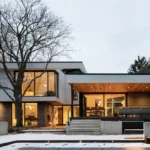
One of the clearest markers of iconic architecture is a distinctive exterior profile. Luxury residences are increasingly conceived as sculptural objects, using crisp lines, layered volumes, curved walls, or monolithic forms to create visual identity. Even restrained minimalist homes can feel iconic when massing, balance, and material contrast are handled with precision.
This architectural clarity often serves a practical purpose as well. Overhangs manage sunlight, courtyards improve privacy, and split-level compositions respond to topography. In the best projects, formal drama and livability work together.
Materiality That Signals Permanence
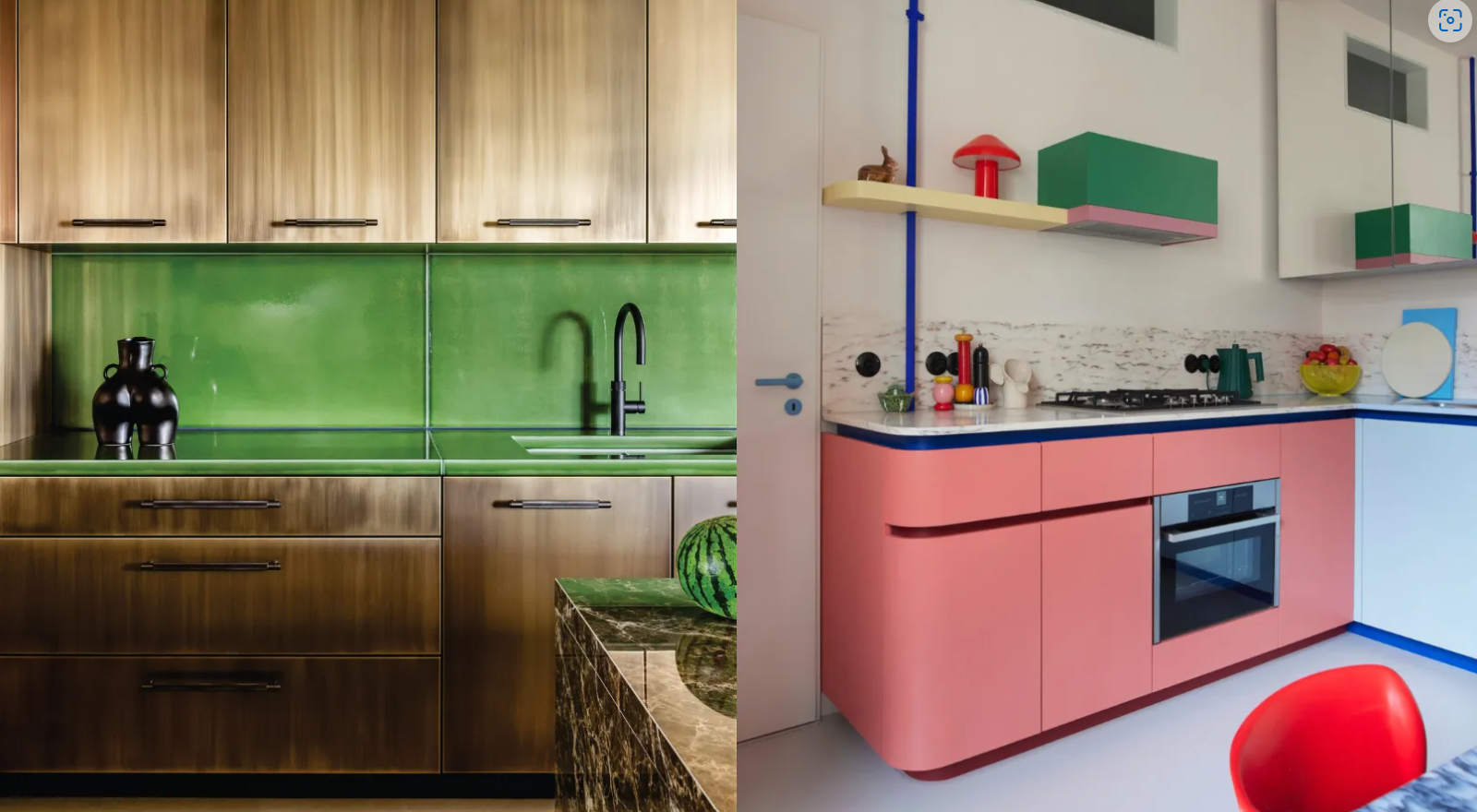
Natural stone, warm timber, textured plaster, bronze detailing, and expansive architectural glass continue to define luxury residential design. These materials are not chosen solely for prestige; they anchor a home in sensory experience. Thoughtful material palettes help iconic architecture feel enduring rather than fashionable.
Designers are also pairing traditional materials with contemporary construction systems, achieving homes that feel artisanal yet technologically advanced. This blend is especially powerful in properties where understated luxury is the goal.
Light as an Architectural Tool
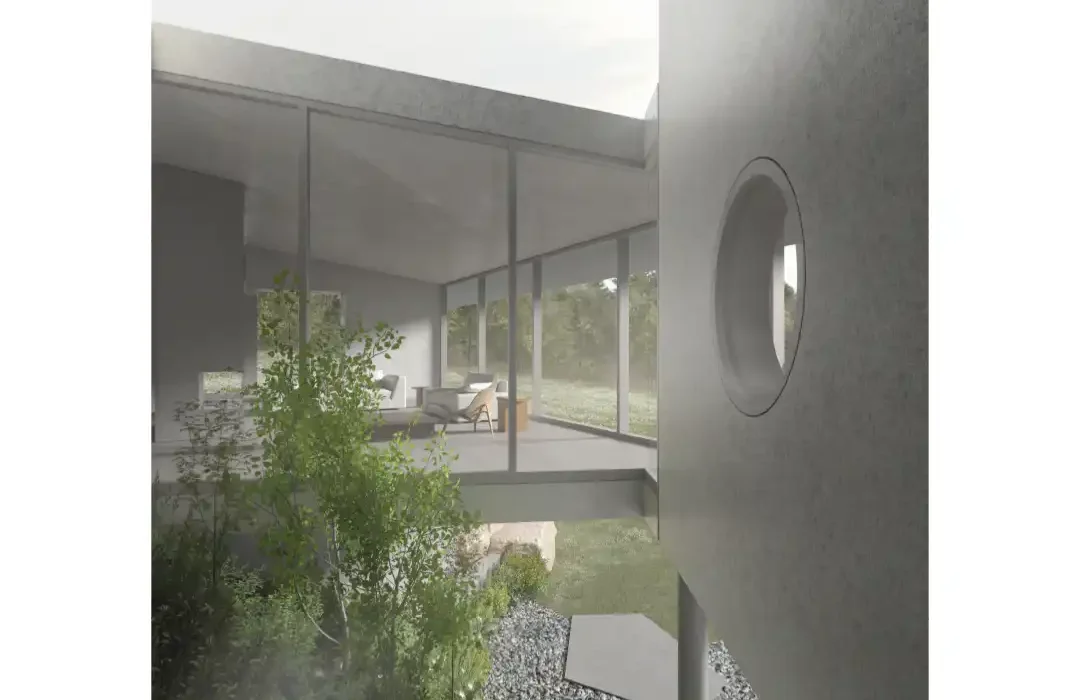
In standout homes, light is treated as a building material. Skylights, clerestory glazing, internal courtyards, and floor-to-ceiling openings transform the atmosphere throughout the day. This is one reason iconic architecture resonates so strongly: it shapes experience moment by moment, not just from the curb.
Natural illumination can highlight textures, extend views, and make large homes feel calm rather than overwhelming. Layered lighting strategies then preserve this effect into the evening, supporting both intimate and social uses.
Luxury Design Trends Reinforcing Iconic Architecture
The current wave of high-end residential projects reflects broader shifts in how people want to live. Several trends are strengthening the role of iconic architecture in luxury homes:
- Wellness-centered planning: spa bathrooms, meditation rooms, cold plunge areas, and fitness suites are now integrated into the architecture rather than treated as add-ons.
- Indoor-outdoor living: retractable glass walls, shaded terraces, open-air lounges, and landscape-driven layouts blur the line between house and garden.
- Private resort amenities: wine rooms, screening lounges, rooftop decks, and hospitality-grade kitchens elevate everyday life.
- Sustainable sophistication: passive design, energy-efficient systems, green roofs, and durable local materials support both performance and prestige.
- Bespoke interiors: custom millwork, collectible furnishings, and curated art programs align interior design with the architectural vision.
These trends show that iconic architecture is no longer just about appearance. It is increasingly judged by how well it supports wellness, environmental responsiveness, and adaptable luxury living.
How Architecture and Decor Work Together
Great luxury homes succeed when architecture, interior design, and decor feel inseparable. Statement architecture can lose impact if interiors are overworked, while the right decor strategy can amplify a home’s spatial character.
In premium residences, designers often use decor to reinforce architectural intent through:
- Muted palettes that let form and light lead
- Large-scale furniture suited to generous volumes
- Natural textiles and handcrafted surfaces for warmth
- Gallery-style curation of art and objects
- Material continuity between interior and exterior zones
This is where luxury decor becomes most effective—not as visual clutter, but as a supporting layer that deepens the experience of iconic architecture. Readers interested in elevated interiors may also explore related ideas in luxury decor inspiration and whole-home curation.
What Homeowners Should Look For
For buyers, developers, or renovators pursuing a distinctive residence, evaluating iconic architecture requires looking beyond first impressions. Consider the following questions:
- Does the design respond meaningfully to the site?
- Are the proportions and spatial flow as compelling as the facade?
- Will the materials age gracefully?
- Is the home designed for both daily life and special occasions?
- Do sustainability features enhance long-term value?
The most successful luxury homes are not defined by extravagance alone. They combine architectural originality with comfort, intelligence, and lasting relevance.
The Future of Iconic Architecture in Residential Design
Looking ahead, iconic architecture in the luxury sector will likely become more personal, more sustainable, and more context-aware. Rather than repeating generic mansion formulas, architects are creating homes that express individual narratives while respecting climate, landscape, and changing patterns of domestic life.
That shift is good news for the design world. It means luxury homes can be ambitious without feeling disconnected, dramatic without sacrificing warmth, and innovative without losing timeless appeal. As demand grows for residences that inspire every day, iconic architecture will remain central to the future of luxury living.
For anyone investing in a premium residence, the takeaway is clear: true distinction comes from design integrity. In the end, iconic architecture is what transforms a beautiful house into a lasting landmark.