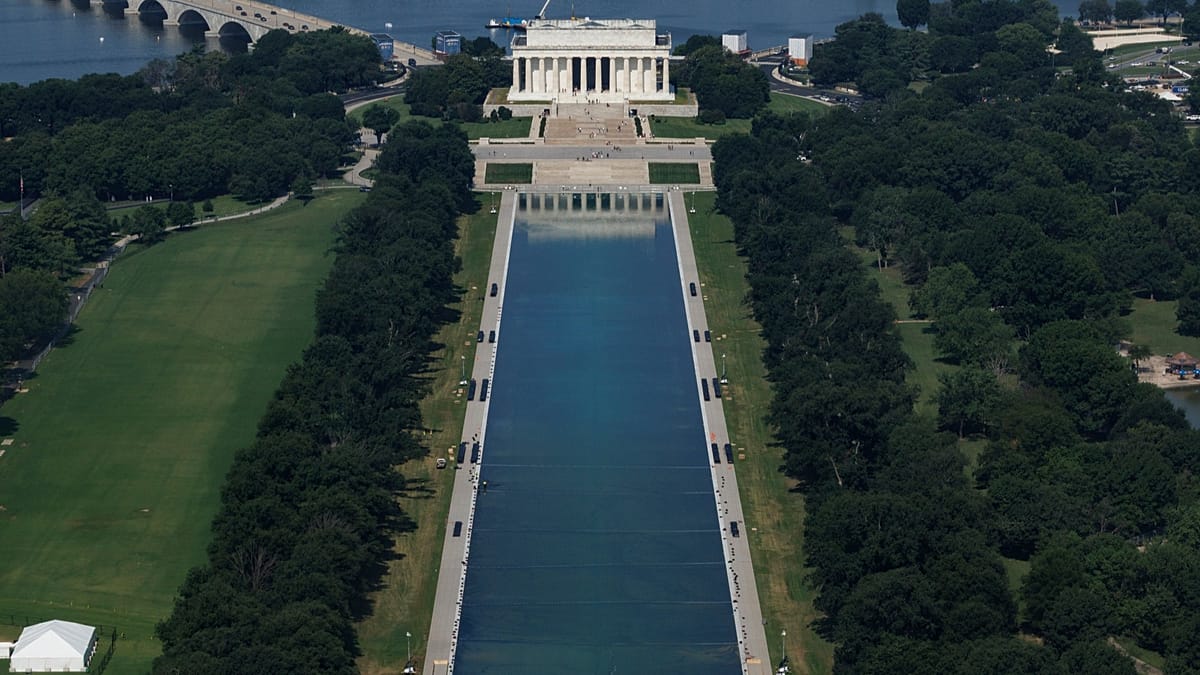
When a high-profile public space fails, the conversation quickly moves beyond crime and into design, materials, and maintenance. The Lincoln Memorial Reflecting Pool vandalism case has done exactly that, drawing attention not only to a felony indictment in Washington but also to the fragile balance between luxury-grade restoration aesthetics and real-world durability.
A former Olympian, David Hearn, has been indicted on a felony property destruction charge tied to alleged damage at the Lincoln Memorial Reflecting Pool, according to US authorities. Prosecutors say the incident involved recently installed sealant and caused more than $1,000 in damage. While the criminal case will play out in court, the story also raises a bigger question for the worlds of luxury decor and luxury design: what happens when premium restoration ambitions collide with public use, environmental stress, and intense scrutiny?
Why the Lincoln Memorial Reflecting Pool vandalism case matters for luxury design
At first glance, the Lincoln Memorial Reflecting Pool vandalism case may seem far removed from the luxury sector. But landmark restoration often relies on the same principles that shape elite hospitality, residential estates, and prestige public spaces:
- high-end material selection
- carefully engineered surface treatments
- visual impact as a core design goal
- long-term performance under heavy traffic
The Reflecting Pool is not just a body of water. It is an iconic design element embedded in national symbolism. Any renovation to such a site carries expectations similar to those placed on luxury architectural projects: the result must look impeccable, perform reliably, and preserve heritage value.
That is why this case resonates beyond the legal headlines. Reports that the newly rehabilitated pool faced visible issues, including algae discoloration shortly after completion, have placed the entire restoration effort under a microscope.
The allegations and what officials say happened
Authorities in Washington have accused Hearn, a 67-year-old former Olympic canoe racer from Bethesda, Maryland, of deliberately damaging recently installed material at the pool. District of Columbia US Attorney Jeanine Pirro said he pulled up fresh sealant in an intentional act that exceeded the threshold for felony property destruction.
According to officials, he allegedly used both hands to pull up the bottom liner and acted aggressively when confronted by a worker. Prosecutors say the evidence is substantial, and additional misdemeanor arrests have reportedly been made in connection with separate incidents at the site.
Hearn has previously said he stopped at the pool during a long bike ride and reached into the water to inspect a coating that appeared to be peeling. He said he touched a loose section briefly and stopped after being told to do so.
That gap between official allegations and the defendant’s account will be central to the case. But for design observers, another issue stands out: if members of the public could see or touch failing material so easily, what does that suggest about project resilience and finish quality?
What this reveals about luxury restoration materials
In the luxury decor and luxury design world, finishes matter as much as form. Protective coatings, sealants, liners, and specialty surfaces are often selected for their ability to create a flawless visual experience while resisting wear. Yet even premium systems can underperform when exposed to:
- constant moisture
- temperature swings
- chemical imbalance
- biological growth such as algae
- unexpected public interaction
The Lincoln Memorial Reflecting Pool was reportedly part of a $14 million rehabilitation effort linked to preparations around the 250th anniversary of American independence. President Donald Trump had promoted the restoration, but the project drew criticism after the water turned green with algae soon after completion instead of displaying the intended vivid blue appearance.
For designers, that outcome underscores a hard truth: a luxury finish is only as successful as the ecosystem supporting it. Water chemistry, surface adhesion, drainage, filtration, and maintenance schedules all influence whether a prestige installation lives up to its promise.
Design lessons for high-end water features
Luxury homes, hotels, spas, and civic landscapes can all learn from the Reflecting Pool controversy. Whether the project is a private reflecting basin or a grand ornamental fountain, durability must be designed into the concept from the start.
- Specify materials for real conditions: A beautiful coating that cannot withstand environmental stress will quickly become a liability.
- Plan for visibility and touch: Public-facing surfaces should assume close inspection and occasional contact.
- Integrate maintenance into design: The best luxury design anticipates service access, cleaning, and seasonal recalibration.
- Test before full rollout: Mockups and performance trials can reveal adhesion or discoloration risks early.
- Protect heritage aesthetics: In historic settings, restoration must preserve visual authenticity while improving technical performance.
Luxury brands can learn from public-space failures
The Lincoln Memorial Reflecting Pool vandalism case is also a cautionary tale for luxury brands involved in architectural surfaces, exterior finishes, and decorative water systems. Reputation in the premium market depends on more than aspirational imagery. Clients increasingly want proof of endurance, sustainability, and lifecycle value.
That means luxury brands should be ready to demonstrate:
- material testing data
- weather and water resistance performance
- clear maintenance protocols
- heritage-sensitive application methods
- support for long-term preservation
When a restoration project becomes a national story, every design decision is scrutinized. Surface failure, algae blooms, or visible peeling can undermine the perception of quality, even if the root cause is operational rather than purely material.
Beyond the courtroom: design credibility is on trial too
As the Lincoln Memorial Reflecting Pool vandalism case proceeds, the legal outcome will determine whether the alleged conduct meets the felony standard prosecutors have asserted. But outside the courtroom, the episode has already become a case study in how iconic spaces are restored, protected, and judged by the public.
For professionals in luxury design, luxury decor, and luxury brands, the lesson is clear: visual ambition must be matched by engineering discipline. A surface may be designed to look monumental, elegant, and timeless, but if it cannot perform under real conditions, the entire concept is exposed.
Ultimately, the Lincoln Memorial Reflecting Pool vandalism case is about more than an indictment. It is a reminder that in landmark restoration and high-end design alike, lasting beauty depends on resilient materials, smart execution, and maintenance that is every bit as refined as the finish itself.