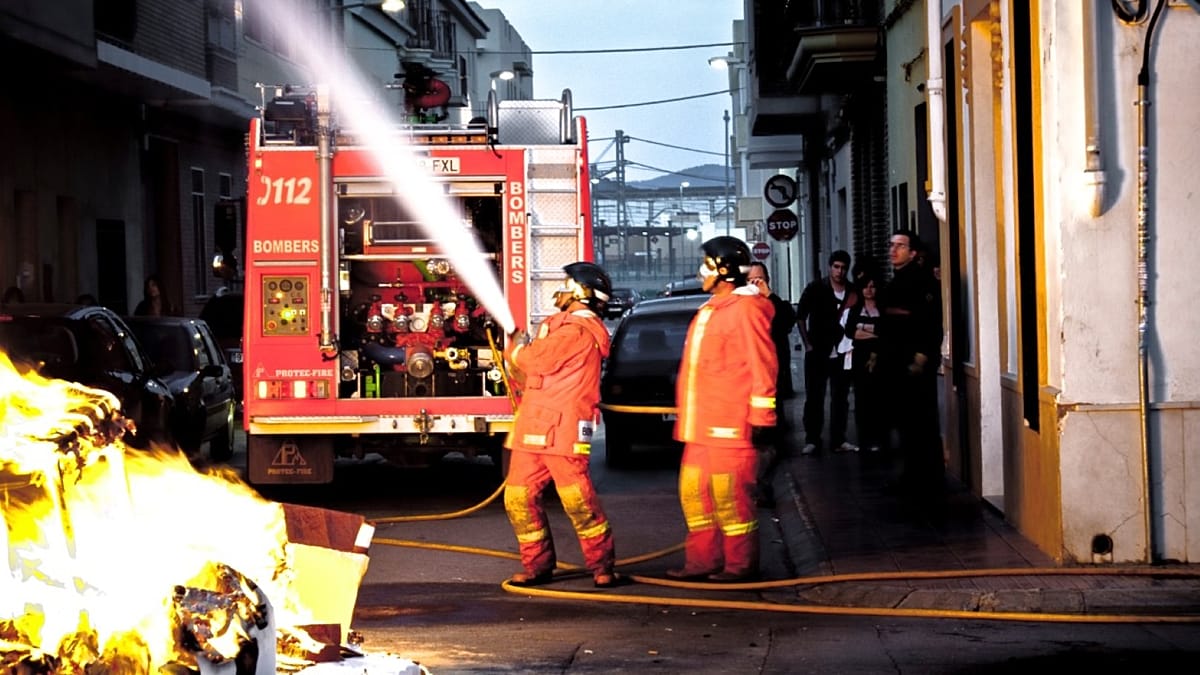
A Valencia apartment fire that forced the evacuation of 80 residents has put a harsh spotlight on an issue that extends far beyond a single street in Benicalap. For anyone interested in luxury architecture, luxury design, and luxury interiors, the incident is also a stark reminder that beautiful living spaces mean little without robust fire safety, smoke management, and resilient building planning.
According to municipal reports, the blaze began in two ground-floor flats in Valencia and led to a precautionary evacuation of two apartment blocks because of dense smoke. No injuries were reported, but emergency teams remained on site while authorities assessed the damage, supported displaced residents, and investigated the cause.
What happened in the Valencia apartment fire
The Valencia apartment fire occurred in the city’s Benicalap neighbourhood, where flames were reportedly contained to the ground floor of the building. Fire crews were deployed in large numbers, and while the blaze was brought under control, the volume of smoke triggered a wider evacuation.
Officials said:
- 80 residents were evacuated from two apartment blocks as a precaution
- No injuries were reported
- The fire was concentrated in two ground-floor units
- Emergency services continued smoke control and rescue operations, including assisting pets
- Investigators are examining whether the fire may have been deliberate, while keeping other possibilities open
The ground-floor properties had reportedly been occupied by squatters and were due to be cleared under a court order. City authorities also activated emergency social support services to help residents who may not have been able to return home for the night.
Why smoke, not flames, is often the greater threat
One of the most important lessons from the Valencia apartment fire is that smoke can render an entire building temporarily uninhabitable even when flames remain localized. In multi-residential design, smoke spread is often the factor that determines whether residents can shelter safely or must evacuate immediately.
From a building design perspective, smoke risk is influenced by:
- Shared corridors and stairwells
- Ventilation paths and air pressure differences
- Door and wall compartmentation
- Material flammability and toxic smoke output
- The condition of older building systems
For luxury residential developments, this is especially relevant. High-end interiors often prioritize open layouts, bespoke finishes, and integrated systems, but they must also be paired with concealed life-safety infrastructure that performs under stress.
Luxury architecture can learn from emergency events
The Valencia apartment fire may not have taken place in a luxury property, yet the design principles it highlights are universal. Premium residential architecture increasingly emphasizes wellness, comfort, and exclusivity, but true luxury also includes security, resilience, and operational readiness.
1. Compartmentation matters
Well-designed fire compartments can help contain both flames and smoke. This includes fire-rated walls, floors, doors, and protected service penetrations. In upscale apartment projects, these elements should be integrated discreetly without compromising aesthetics.
2. Egress design must be intuitive
Residents should be able to evacuate quickly, even in low visibility conditions. Clear circulation paths, illuminated escape routes, and code-compliant stair cores are not just technical details; they are essential design features.
3. Smart detection systems add value
Advanced smoke detection, monitored alarms, and building management integration can provide earlier warning and faster response. In luxury developments, these technologies can be embedded elegantly into the interior architecture.
4. Material selection influences outcomes
Interior finishes, wall coverings, textiles, and joinery all affect fire performance. Designers working in luxury interiors should weigh visual impact alongside smoke toxicity, combustibility, and compliance with local regulations.
Urban housing stress and building management challenges
Beyond fire safety, the Valencia apartment fire also reflects wider pressures facing many European cities: housing shortages, unauthorized occupation, deferred maintenance, and resident concerns about safety and sanitation. Neighbours cited ongoing problems in the affected ground-floor area, underscoring how building management issues can escalate into broader risks for entire communities.
For developers, property owners, and design professionals, this points to a larger truth: architecture does not operate in isolation. A building’s success depends on ongoing stewardship, legal clarity, security protocols, and maintenance standards as much as on façade design or interior detailing.
Design takeaways for safer residential interiors
Whether renovating an urban apartment block or planning a new high-end residence, the aftermath of the Valencia apartment fire offers practical lessons worth applying now:
- Prioritize smoke control through sealed cores, fire doors, and mechanical extraction where appropriate.
- Specify fire-conscious materials for upholstery, wall panels, cabinetry, and acoustic treatments.
- Audit evacuation routes to ensure they remain accessible, well-lit, and uncluttered.
- Integrate detection technology with smart home or building systems for faster alerts.
- Plan for vulnerable occupants and pets in emergency response strategies.
- Coordinate design with operations so maintenance teams understand the safety systems built into the property.
These strategies are not at odds with luxury. On the contrary, they support a more sophisticated standard of living—one where elegance is matched by preparedness.
A turning point for residential safety in Valencia
As investigators continue to examine the cause of the incident, the Valencia apartment fire stands as a timely case study in how quickly a localized event can disrupt dozens of homes. No injuries were reported, which speaks to the effectiveness of the emergency response, but the evacuation of 80 residents shows how vulnerable shared residential environments can be when smoke spreads.
For the worlds of luxury architecture, luxury design, and luxury interiors, the message is clear: exceptional homes must be designed not only to impress, but to protect. The lasting takeaway from the Valencia apartment fire is that resilience is now an essential part of residential excellence.