Luxury culture trends 2026 are being shaped by an unexpected mix of heritage, technology and global storytelling. From museum-worthy restoration projects to AI-driven creativity and iconic brand collaborations, the latest culture headlines reveal where the worlds of luxury brands, luxury decor and luxury design are heading next.
What stands out this year is not just what is fashionable, but what feels meaningful. Cultural moments tied to preservation, craftsmanship, rarity and emotional resonance are increasingly influencing how premium interiors, collectible design and high-end brand identities evolve.
Luxury culture trends 2026 are turning heritage into a design asset
One of the clearest signals across recent culture news is the growing value of heritage. Stories about the Bayeux Tapestry drawing overwhelming demand, the renovation of Paris’ Cirque d’Hiver, and the discovery of ancient artifacts all point to the same conclusion: historical depth has become a modern luxury currency.
For the luxury sector, that translates into more than visual nostalgia. It means:
- Using archival references in interior design and product development
- Highlighting artisanal processes and restoration techniques
- Creating spaces that feel layered, storied and culturally rooted
- Positioning rarity and provenance as premium differentiators
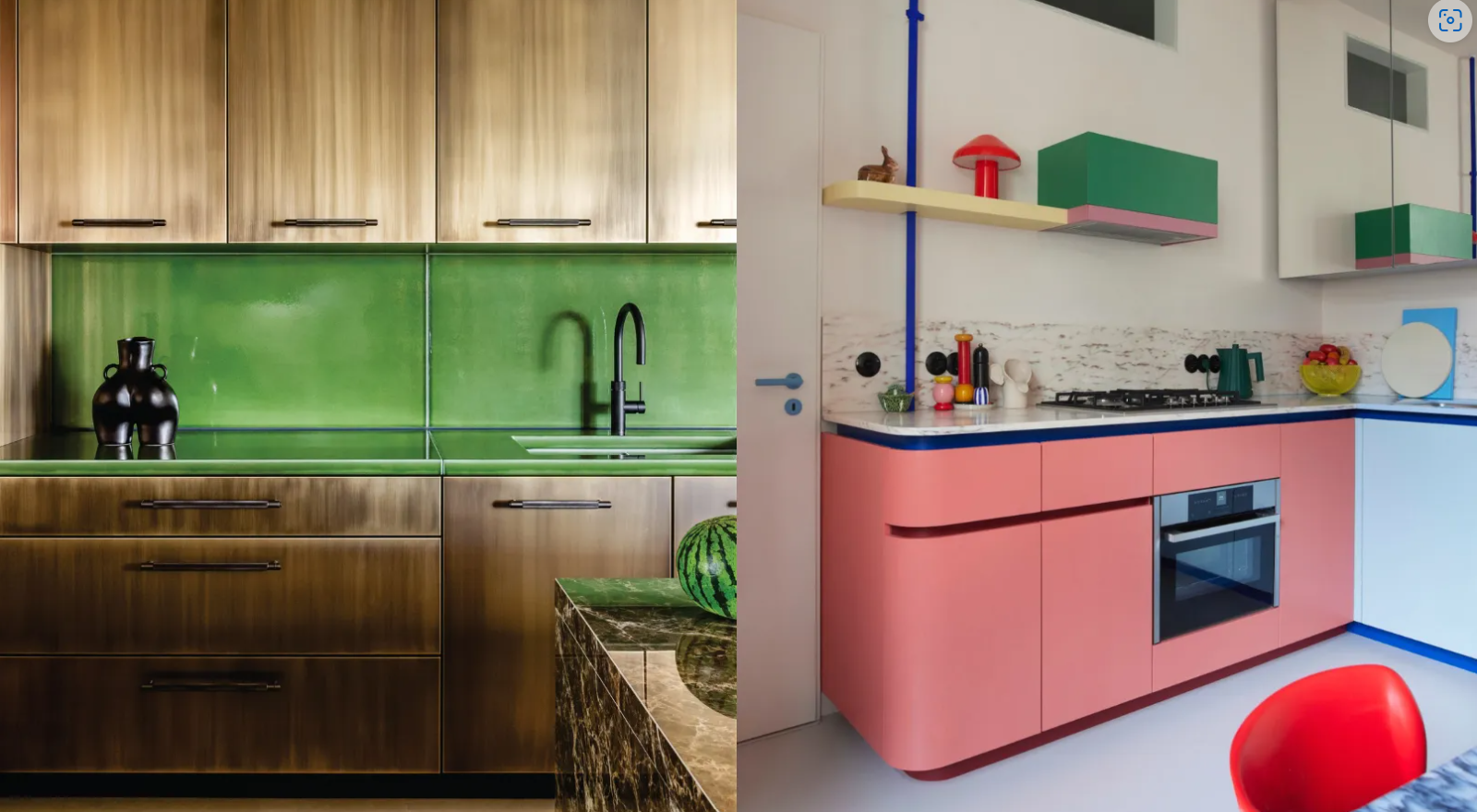
Luxury decor is particularly influenced by this shift. Designers are drawing from tapestry textures, patinated metals, fresco-inspired palettes and museum-style curation to create interiors that feel both timeless and collectible. In a market crowded with fast trends, heritage offers authority.
Why preservation matters to luxury buyers
Affluent consumers are increasingly looking for objects and environments with permanence. Whether it is a restored architectural element, a handcrafted furnishing or a collectible art piece, value is moving toward items that communicate continuity. That helps explain why stories about cultural restitution, archaeological finds and historic renovation are resonating far beyond museums.
In practical terms, luxury culture trends 2026 suggest that brands should frame design not only as aesthetic expression, but as stewardship.
AI is redefining luxury design without replacing human creativity
Another dominant thread in current culture coverage is artificial intelligence. From marketing leaders discussing human-centered AI to debates over recreated celebrity voices and AI-assisted deciphering of ancient scrolls, technology is no longer a side conversation. It is central to how culture is produced, protected and experienced.
For luxury design, the takeaway is nuanced. AI can accelerate ideation, personalization and customer experience, but it also raises critical questions about authenticity. Premium brands thrive on trust, craftsmanship and emotional connection. If technology feels gimmicky or impersonal, it can weaken brand equity.
The strongest opportunities lie in using AI to support, not replace, creative vision. That includes:
- Personalized luxury retail experiences
- Smarter interior visualization and bespoke design planning
- Archive digitization for heritage houses
- Predictive trend analysis for collections and home styling
At the same time, backlash against synthetic voices and AI clauses in entertainment contracts shows that audiences remain deeply sensitive to consent and originality. In luxury, where exclusivity and authorship matter, that lesson is especially important.
The new premium standard: tech with a human signature
The brands best positioned to benefit from luxury culture trends 2026 will be those that combine innovation with discernment. Clients may appreciate seamless digital tools, but they still want the reassurance of a designer’s eye, a maker’s hand and a brand’s point of view.
Pop culture collaborations continue to influence luxury brands
Culture headlines also show the ongoing power of entertainment and celebrity to shape premium demand. Miley Cyrus receiving her own Barbie doll, Andrea Bocelli marking an album anniversary, and major conversations around Netflix, Eurovision and global fan culture all reflect how cultural visibility drives desirability.
Luxury brands have long relied on cultural association, but the strategy is becoming more layered. It is no longer just about celebrity endorsement. It is about tapping into shared narratives, fandoms and iconic symbols that can travel across fashion, home and experiential design.
For luxury decor and luxury design, this can appear in several ways:
- Limited-edition home collections tied to artists or performers
- Hospitality interiors inspired by cinematic or musical storytelling
- Collectible objects that blur the line between merchandise and art
- Immersive brand environments built for social sharing
The rise of culturally literate branding means premium labels must understand not just aesthetics, but the emotional ecosystems around them.
Scarcity, story and authenticity are driving luxury decor choices
Recent reports on lost paintings, looted bronzes and rare historical discoveries highlight another essential force behind luxury culture trends 2026: authenticity. In luxury decor, buyers increasingly want pieces with a traceable story. That could mean antique sourcing, custom commissions, gallery-backed works or contemporary design objects produced in very limited quantities.
This trend is shaping residential and hospitality projects alike. Rather than filling rooms with generic prestige cues, top designers are favoring:
- Statement pieces with documented provenance
- Natural materials that age beautifully
- Curated mixes of old and new
- Decor that reflects geographic and cultural specificity
The result is a more intellectual and editorial approach to space-making. Luxury is less about overt opulence and more about informed selection.
How this affects interiors in 2026
Expect to see more design schemes inspired by archives, collections and institutions rather than fleeting social trends. Rich textiles, sculptural bronze, hand-finished wood, parchment tones and gallery-style lighting all align with the current appetite for depth and distinction.
What luxury brands should learn from today’s culture headlines
Across these stories, a consistent pattern emerges. Cultural relevance now depends on balancing innovation with integrity. The most compelling luxury brands are not simply selling products; they are curating meaning.
Key lessons for the sector include:
- Heritage remains one of the most powerful brand assets
- AI should enhance exclusivity, not erode authenticity
- Storytelling matters as much as craftsmanship
- Consumers increasingly value cultural fluency and ethical awareness
That is especially true for businesses operating across luxury design, interiors and decor. Every collection, showroom and campaign now sits inside a broader cultural conversation.
In the end, luxury culture trends 2026 are less about chasing novelty and more about building resonance. Brands that honor history, embrace thoughtful technology and create truly storied experiences will be the ones that define the next era of luxury.