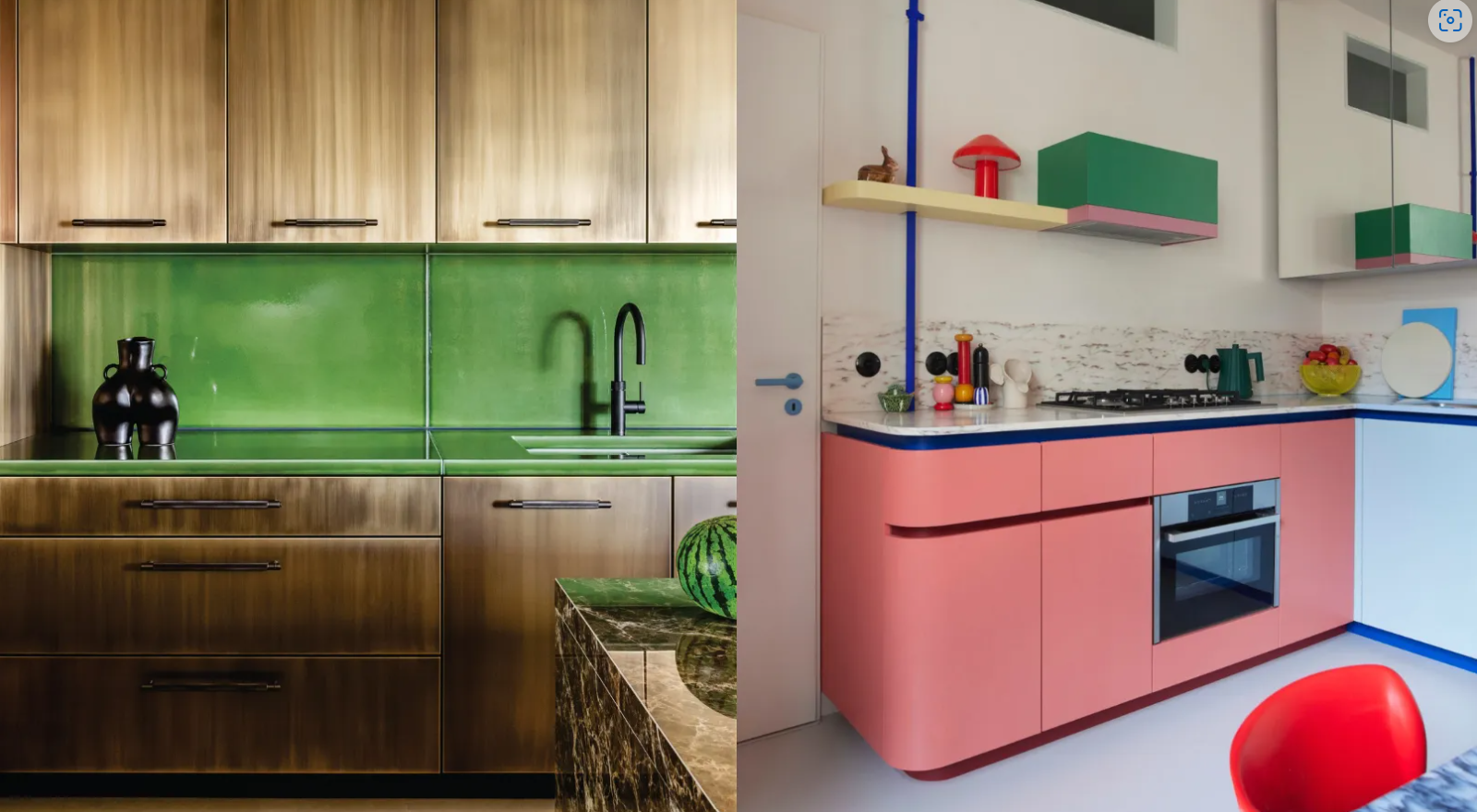


Cinema has always done more than entertain—it defines aspiration, mood, and visual culture. In 2026, luxury design is increasingly taking cues from the world of film, where festival glamour, franchise aesthetics, auteur storytelling, and nostalgic revivals are influencing how premium brands, interiors, and objects are imagined.
From the polished spectacle of major box office hits to the emotional atmosphere of art-house cinema, today’s screen culture offers a rich blueprint for high-end living. The latest film headlines—from Cannes and Venice to James Bond casting speculation and revived classics—show that cinema is not just a cultural barometer; it is also a powerful driver of luxury taste.
Why luxury design and cinema are more connected than ever
The relationship between film and luxury design has always been intimate. Cinema builds worlds through architecture, materials, lighting, wardrobe, and objects. Luxury brands do much the same, crafting immersive identities that sell not simply products, but lifestyles.
What makes 2026 especially notable is the diversity of cinematic influences now entering design conversations. Current film coverage reflects several parallel trends:
- Festival prestige from Karlovy Vary, Cannes, and Venice continues to elevate European sophistication.
- Franchise culture remains visually powerful, with titles like Supergirl, Toy Story 5, and the next James Bond chapter shaping public imagination.
- Nostalgia and restoration are back in focus, as seen in efforts to reconstruct Orson Welles’s long-lost Quixote.
- Atmospheric storytelling such as liminal horror and psychological drama is influencing how designers think about mood and space.
For luxury audiences, these film currents translate into environments that feel cinematic: layered, emotionally resonant, and unmistakably curated.
Festival glamour is redefining luxury decor
Major film festivals remain among the strongest style engines in global culture. The renewed attention on events such as Cannes, Venice, and Karlovy Vary reinforces a visual language built around elegance, exclusivity, and artistic credibility—qualities central to luxury decor.
The return of European refinement
Film festival culture consistently champions grand hotels, historic venues, formal dressing, and rich interiors. That atmosphere is filtering into homes and hospitality spaces through:
- Velvet and bouclé seating
- High-gloss woods and lacquered finishes
- Statement lighting with sculptural silhouettes
- Marble surfaces paired with brass or bronze accents
- Gallery-style walls that celebrate photography and film stills
This version of luxury design is less about excess for its own sake and more about narrative sophistication. The goal is to create rooms that feel like a beautifully framed scene.
Red carpet influence beyond fashion
Red carpet conversations typically focus on couture, but the impact reaches far beyond wardrobes. Event staging, screening lounges, hotel suites, after-party settings, and press backdrops all influence luxury interiors. Designers are increasingly borrowing these cues to create residential spaces that feel event-ready yet intimate.
Expect a rise in jewel tones, layered textures, mirrored details, and moody lighting schemes that capture the drama of premiere season.
Blockbusters are inspiring a new form of luxury design
Mainstream films are also shaping luxury design, particularly when they introduce strong visual worlds. In 2026, franchise news around James Bond, superhero reboots, animated sequels, and sci-fi releases points to a broader appetite for immersive design language.
James Bond and the enduring appeal of tailored modernism
Few franchises influence luxury branding like Bond. With casting for the next 007 entering a decisive phase, interest in the franchise’s signature aesthetic is rising again. Bond’s world has long represented a specific blend of:
- Architectural minimalism
- Tailored masculinity and precision
- High-performance materials
- Discreet technological sophistication
- Jet-set exclusivity
For interiors, this often translates to monochrome palettes, impeccably engineered furniture, smoked glass, leather, and understated glamour. For luxury brands, it reinforces the value of confidence, heritage, and controlled spectacle.
Sci-fi and fantasy bring emotional futurism
Films like Supergirl and Spielberg’s much-discussed alien-themed work suggest that futurism is moving away from sterile aesthetics. Instead, designers are embracing softer, more emotional interpretations of the future: curved forms, ambient lighting, reflective materials, and dreamlike spatial flow.
This shift allows luxury design to feel innovative without becoming cold. The future, as cinema now imagines it, is immersive, tactile, and atmospheric.
Art-house cinema is influencing mood, materials, and storytelling
Not every design cue comes from a blockbuster. Reviews and features spotlighting films like Fatherland, Backrooms, and restored cinematic works reveal a growing appetite for spaces that provoke feeling rather than simply display status.
The rise of cinematic atmosphere
Liminal, introspective, and psychologically rich films are encouraging designers to think beyond visual polish. In practice, that means:
- More layered and shadow-driven lighting
- Textural contrast instead of bright uniform finishes
- Spaces designed for contemplation and retreat
- Muted palettes with occasional dramatic accents
- Objects chosen for symbolism as well as beauty
This is where luxury decor becomes more intellectual. Rooms are no longer styled only to impress guests; they are designed to create emotional resonance, much like a memorable scene in a film.
Restoration culture and timeless craftsmanship
The effort to recover Orson Welles’s unfinished Quixote speaks to a broader cultural fascination with preservation. In luxury interiors, that aligns with renewed appreciation for artisanal techniques, vintage pieces, collectible furniture, and historically rooted design.
Rather than chasing novelty alone, clients are looking for permanence. This makes luxury design especially compatible with restored materials, bespoke millwork, heritage fabrics, and limited-edition objects that carry a sense of legacy.
What luxury brands can learn from 2026 cinema trends
Film coverage this year also offers important lessons for luxury marketing. Whether the topic is box office dominance, festival prestige, celebrity casting, or debates about originality in Hollywood, one theme stands out: audiences respond to strong identity.
Luxury brands can apply that lesson by focusing on:
- World-building: create immersive brand universes, not just product catalogues.
- Visual consistency: use cinematic art direction across retail, packaging, and digital channels.
- Emotional narrative: connect products to memory, aspiration, or transformation.
- Cultural relevance: align with the artistic conversations shaping taste.
The most effective luxury design brands today act like great filmmakers: they understand mood, editing, pacing, setting, and symbolism.
Conclusion: luxury design is becoming more cinematic
The latest cinema stories show an industry balancing spectacle, nostalgia, experimentation, and prestige. That mix is now reshaping luxury design across interiors, decor, and brand experiences.
Whether inspired by the red-carpet elegance of European festivals, the polished modernism of Bond, the emotional futurism of sci-fi, or the depth of art-house storytelling, high-end design is moving toward something more immersive and narrative-led. The clearest takeaway is this: the future of luxury design will not just be seen—it will be felt, staged, and remembered like great cinema.