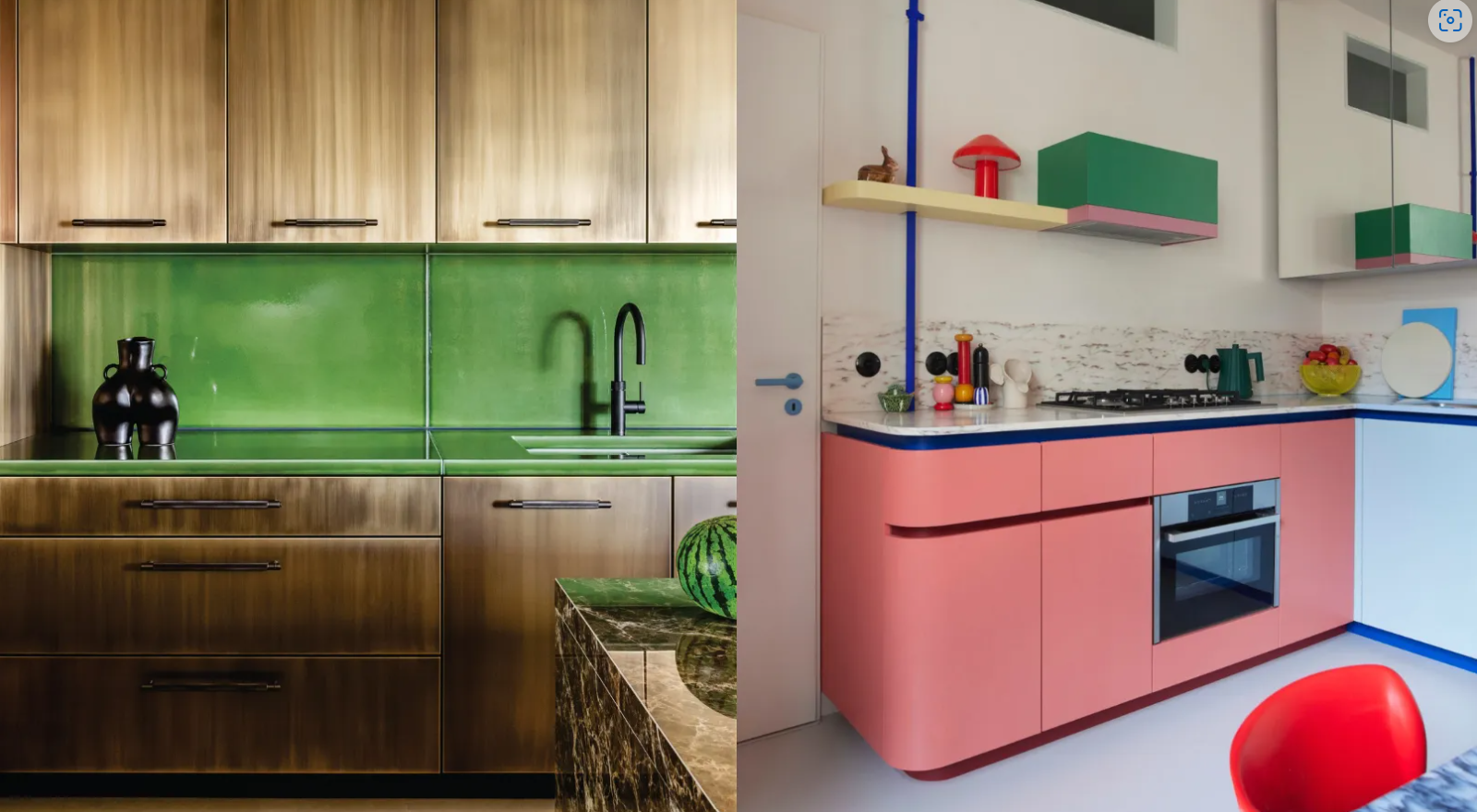
Luxury gastronomy is no longer confined to what arrives on the plate. In 2026, Europe’s food and drink scene is influencing how premium spaces look, feel and perform, from award-winning restaurants and iconic bars to heritage-led culinary experiences that blur the line between hospitality, luxury decor and luxury design.
A scan of this year’s standout food stories reveals a bigger shift: taste has become immersive. The most desirable destinations are pairing exceptional menus with atmospheric interiors, local storytelling, artisanal craftsmanship and a stronger sense of place. For luxury brands, this is more than a dining trend. It is a blueprint for how culture, aesthetics and experience now define status.
Luxury gastronomy is redefining premium experiences
The biggest European food headlines of 2026 show that luxury gastronomy is expanding beyond formal fine dining. Consumers still value excellence, but they increasingly want authenticity, design intelligence and memorable environments. That helps explain why stories about Europe’s best bars, the most beautiful restaurants and top food cities are resonating so strongly.
Today, prestige comes from a carefully curated mix of elements:
- Design-led interiors that create a distinctive mood
- Local culinary identity rooted in region and tradition
- Craft and provenance in ingredients, tableware and materials
- Social discovery through bars, tasting rooms and destination dining
- Cultural storytelling that turns a meal into an experience
This broader definition of luxury gastronomy matters to premium sectors well beyond food. Luxury decor brands can take cues from restaurant atmospherics, while luxury design studios can study how hospitality spaces use texture, lighting and narrative to shape emotion.
The rise of design-first restaurants and bars
Among the clearest signals this year is the growing importance of venue aesthetics. Recognition for Europe’s most beautiful restaurants confirms that interiors are now central to hospitality value. In high-end dining, visual identity is no longer a backdrop; it is part of the product.
That creates a natural link between luxury gastronomy and interior culture. Restaurants that stand out often combine sculptural furniture, layered lighting, tactile finishes and architectural drama with a menu that reflects local terroir. The result is a complete sensory brand world.
What luxury decor can learn from hospitality
For the luxury decor market, these spaces offer practical inspiration:
- Warm natural stone and rich woods convey permanence and refinement
- Soft, directional lighting creates intimacy and exclusivity
- Handcrafted ceramics and glassware add individuality
- Acoustic softness, from textiles to wall treatments, enhances comfort
- Color palettes tied to local landscapes strengthen emotional connection
Luxury gastronomy succeeds when every visual cue reinforces quality. That same principle increasingly shapes premium homes, boutique retail and branded residences.
Heritage, authenticity and the new status symbols
Another major trend in luxury gastronomy is the renewed value of heritage. Stories around Lyon’s culinary matriarchs, Azerbaijan’s tea rituals, Pompeii’s revived wine traditions and the enduring symbolism of products like haggis or pinot noir all point to one thing: cultural depth sells.
In a market saturated with polished sameness, authenticity has become a new status marker. Diners and travelers are seeking experiences that feel rooted rather than generic. A centuries-old recipe, a region-specific ingredient or a ritual of service can make a venue feel more exclusive than overt opulence ever could.
This is especially relevant for luxury brands. Consumers increasingly reward businesses that can connect product and place, whether through craftsmanship, origin stories or preservation of cultural memory. Luxury gastronomy demonstrates that history, when presented with sophistication, creates emotional value and commercial advantage.
Destination dining and the luxury travel effect
Food tourism is also reshaping the luxury landscape. Rankings of the best food cities, affordable aperitif destinations and top places to eat like a local show how strongly gastronomy now influences travel choices. Crete’s recognition as a leading dining destination is a perfect example of how a region can convert culinary identity into premium appeal.
For luxury travel, dining is no longer a supporting feature. It is often the main reason to book. That elevates luxury gastronomy into a strategic asset for hotels, resorts and destination developers.
Why this matters for luxury brands
When travelers choose a destination for its cuisine, they are also choosing:
- A visual world they want to inhabit
- A cultural narrative they want to experience
- A social currency they want to share
- A standard of taste that extends to design, service and retail
That is why luxury gastronomy now overlaps so naturally with luxury design and decor. A great restaurant can define a neighborhood’s image, elevate a hotel’s positioning or act as a showroom for a brand’s aesthetic values.
From trend ingredients to lifestyle influence
Even seemingly lighter food stories, from ube’s rising popularity to shifting ice cream preferences and the boom in alcohol-free wine, reveal how quickly consumer taste evolves. In luxury gastronomy, trend adoption matters not because novelty alone is valuable, but because it signals cultural agility.
The same is true in design. Premium audiences want freshness, but filtered through quality and coherence. A successful luxury concept does not chase every fad. It interprets change elegantly, whether through menu development, material choices or experiential details.
This makes luxury gastronomy a useful lens for anticipating wider premium lifestyle behavior. If consumers embrace craft beer crawls, destination cocktail bars or artisanal chocolate with strong provenance, they are also likely to appreciate interiors, objects and environments that feel curated, rare and story-rich.
The future of luxury gastronomy in Europe
Looking ahead, luxury gastronomy will continue to move toward immersive, design-conscious and culturally grounded experiences. Europe is particularly well positioned for this shift because it offers a rare combination of culinary heritage, regional diversity, architecture and craftsmanship.
Expect the next wave of standout concepts to feature:
- More collaboration between chefs, designers and artisans
- Restaurant interiors with collectible design appeal
- Stronger emphasis on local sourcing and regional identity
- Bars and dining rooms that function as lifestyle destinations
- Food storytelling that enhances both exclusivity and accessibility
For sectors such as luxury brands, luxury decor and luxury design, the message is clear. The most compelling premium experiences are no longer built on excess alone. They are built on atmosphere, authenticity and emotional resonance.
In that sense, luxury gastronomy is doing more than feeding Europe’s appetite. It is shaping how modern luxury looks, feels and earns desire. Brands that understand this shift will be better equipped to create spaces and products that people do not just consume, but remember.