Germany’s rising mosquito activity is becoming more than a seasonal nuisance—it is starting to influence how luxury homes, terraces, and garden spaces are designed. As warm, humid weather fuels a broader mosquito surge in Germany, homeowners, designers, and premium outdoor brands are rethinking what elegant summer living should look like.
For readers in luxury brands, luxury decor, and luxury design, this is a timely shift. Outdoor comfort has become a defining feature of upscale living, and mosquito pressure—especially from the invasive Asian tiger mosquito—now makes preventive design as important as aesthetics.
Why the mosquito surge in Germany matters for luxury outdoor living
According to experts cited in recent reporting, current heat and humidity levels in Germany create ideal breeding conditions for both the common house mosquito and the Asian tiger mosquito. Standing water in rain barrels, puddles, plant saucers, and even watering cans can support rapid reproduction.
The result is a seasonal challenge that peaks toward late summer, when multiple mosquito generations may have developed. For luxury properties, boutique hotels, designer courtyards, and high-end rooftop terraces, that means outdoor spaces can quickly become less usable unless they are planned with prevention in mind.
The mosquito surge in Germany is especially relevant in urban environments. The Asian tiger mosquito is highly adaptable and can breed in very small water reservoirs, making dense residential settings particularly vulnerable. That raises the stakes for premium residential architecture and landscape design, where every decorative feature—from sculptural planters to water elements—must now be evaluated through a practical lens.
The Asian tiger mosquito and what makes it different
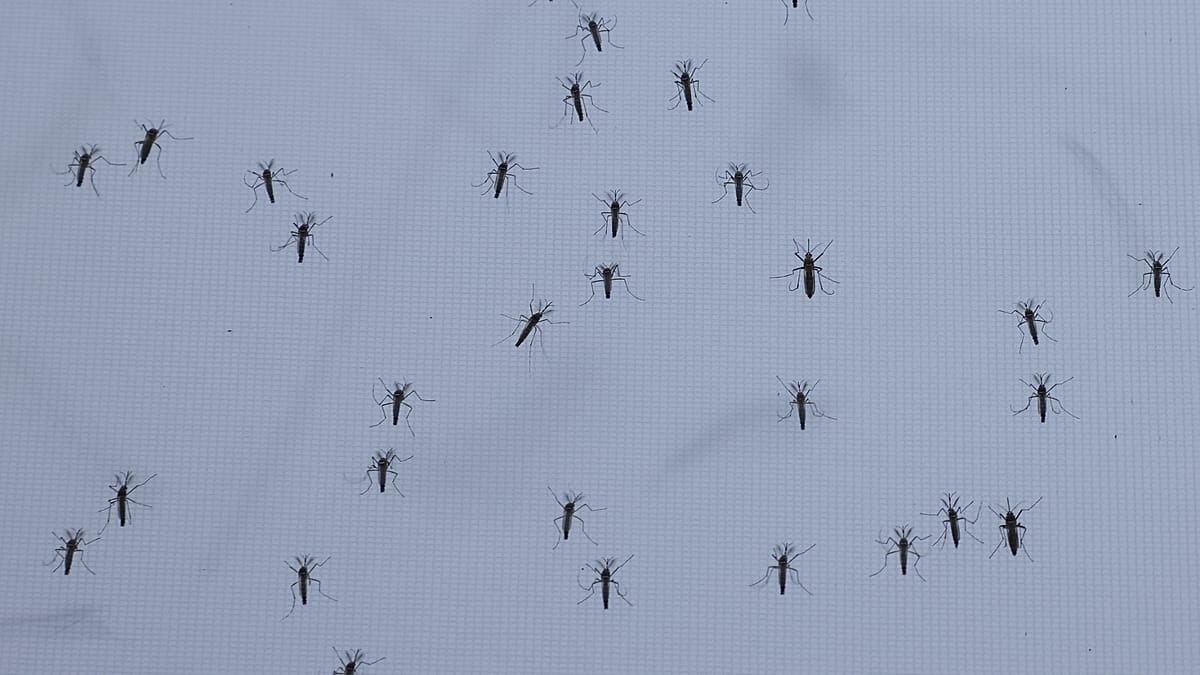
The Asian tiger mosquito has drawn particular concern because it is invasive, active during the day, and considered more aggressive than many native species. It is also visually distinct, with black-and-white markings and a white stripe running from the back of the head toward the wings.
In Germany, sightings have so far been concentrated largely in the south-west, though experts expect further spread northward over time. Municipal reporting systems in cities such as Freiburg, Heidelberg, Karlsruhe, and Mannheim already encourage residents to log sightings as part of monitoring and control efforts.
From a design perspective, this matters because daytime biting changes how outdoor environments are used. Morning coffee on a designer patio, lunch in a landscaped courtyard, or afternoon entertaining by a plunge pool may all be affected. The mosquito surge in Germany therefore intersects directly with the luxury lifestyle market, where outdoor usability is a premium asset.
Health concerns behind the design conversation
This is not only about comfort. Researchers are monitoring the Asian tiger mosquito because it can potentially transmit pathogens such as dengue and chikungunya, even though no local transmission chains have been established in Germany so far. Native mosquitoes also play a role in the spread of West Nile virus, which is now circulating in parts of the country.
In addition, both common mosquitoes and Asian tiger mosquitoes can act as vectors for parasitic roundworms that primarily affect animals, including heartworm disease in dogs. For owners of luxury estates, pet-friendly gardens, and countryside retreats, this adds another layer of concern.
While the average homeowner may simply think in terms of bug spray, luxury consumers are more likely to seek integrated solutions that preserve beauty, comfort, and wellness. The mosquito surge in Germany is pushing that market toward smarter, more sophisticated outdoor planning.
Luxury design responses to the mosquito surge in Germany
High-end design does not need to sacrifice elegance to improve mosquito control. In fact, the best solutions are often nearly invisible, blending preventive function with architectural refinement.
1. Eliminate hidden breeding spots
Because mosquitoes can breed in tiny amounts of water, detail matters. Luxury landscapes should be audited for overlooked water traps.
- Use self-draining planter systems
- Avoid decorative saucers that collect rainwater
- Select sculptural vessels with concealed drainage
- Ensure outdoor furniture covers do not pool water
- Maintain clean gutters and drainage channels
2. Reimagine water features
Still water is a design risk in mosquito season. Premium fountains, reflecting pools, and ornamental basins should be engineered for movement and maintenance.
- Favor circulating water systems over stagnant basins
- Incorporate discreet filtration
- Schedule regular cleaning as part of property care
- Choose minimalist water features with fewer breeding recesses
3. Invest in elegant screening solutions
Luxury outdoor rooms are increasingly being designed with retractable screens, finely framed enclosures, and seamless indoor-outdoor transitions. These features preserve views while helping protect lounges, dining areas, and spa terraces.
4. Layer lighting strategically
While mosquitoes are influenced by several environmental factors, lighting still shapes how inviting a space feels at dusk. High-end schemes can prioritize warm, low-glare illumination and place focal lighting away from seating zones to improve comfort and ambiance.
5. Choose proven repellents over trend-based fixes
Natural remedies such as coconut oil are often mentioned in lifestyle circles, but experts generally recommend repellents with tested active ingredients. For luxury hospitality or entertaining, discreet repellent systems and professionally managed outdoor comfort solutions are often more reliable than DIY hacks.
What premium brands and designers should take from this trend
The mosquito surge in Germany reflects a broader design reality: climate conditions are changing expectations in the luxury sector. Clients no longer want outdoor spaces that are simply beautiful in photographs. They want terraces, courtyards, and gardens that remain comfortable, healthy, and functional throughout the season.
That opens opportunities for:
- Luxury outdoor furniture brands to develop water-smart collections
- Landscape architects to prioritize resilience and drainage
- Luxury decor brands to offer mosquito-conscious accessories
- Designers to market wellness-driven outdoor planning as a premium service
In this sense, mosquito prevention is becoming part of the broader language of elevated living—alongside sustainability, climate responsiveness, and quiet technology.
Conclusion: beauty alone is no longer enough
The mosquito surge in Germany is a reminder that modern luxury design must perform as well as it looks. As the Asian tiger mosquito spreads and warm, humid summers create stronger breeding conditions, the most successful outdoor spaces will be those that combine refinement with resilience.
For homeowners, luxury brands, and design professionals alike, the key takeaway is clear: mosquito-aware planning is no longer an afterthought. It is becoming an essential element of sophisticated outdoor living in Germany and beyond.