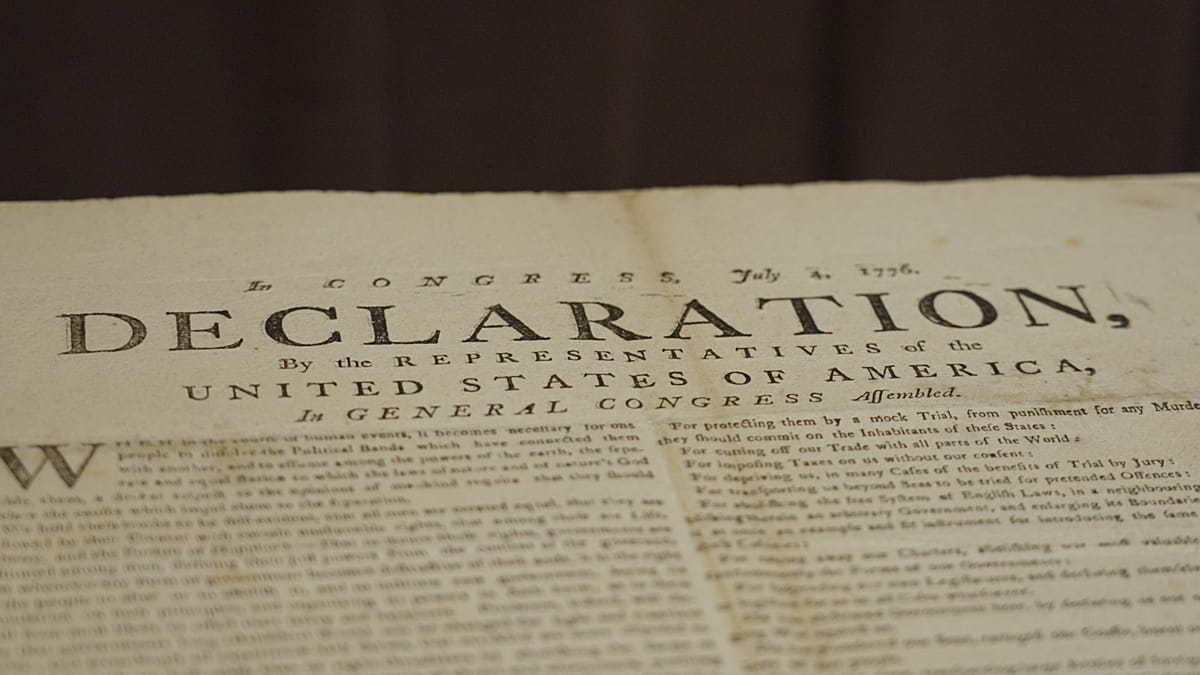
Great design is often rooted in provenance, rarity, and story—and few discoveries embody those qualities better than a newly identified rare Declaration of Independence copy in the UK. Unearthed at the National Archives ahead of America’s 250th anniversary, this extraordinary document is more than a historical headline; it is a powerful reminder that the world of heritage, collecting, and luxury interiors is shaped by objects with remarkable journeys.
The discovery has immediate appeal beyond historians. For readers interested in luxury brands, luxury decor, and luxury design, it highlights how authenticity and narrative elevate an object from merely old to truly iconic. In an era when collectors and designers are increasingly inspired by museum-grade craftsmanship, archival finds like this rare Declaration of Independence copy offer a masterclass in cultural value.
What Was Discovered at the UK National Archives?
The document found in Britain is an exceptionally scarce printed version of the American Declaration of Independence. According to the National Archives, it was captured by the Royal Navy in late 1776 after the privateer ship Dalton was seized off the coast of Portugal and brought back to Britain.
What makes this rare Declaration of Independence copy especially significant is its documented route through wartime bureaucracy. Unlike many surviving historic papers whose paths are fragmented or unclear, this one has a traceable chain of custody linked to naval records. That level of provenance is prized not only in archives but also across the wider luxury market, from fine art to collectible furniture.
Why experts consider it exceptional
- It is among the rarest known printed forms of the Declaration.
- It is reportedly the only known copy taken through military action.
- Its survival inside British state records adds unusual transatlantic context.
- It was uncovered during a cataloguing project, not a headline-seeking treasure hunt.
For cultural institutions and collectors alike, discoveries of this caliber are rare because they combine scarcity, authentication, and historical narrative in one object.
The Rare Declaration of Independence Copy and the Power of Provenance
In luxury design, provenance is everything. Whether the subject is an 18th-century console table, a signed lighting piece, or a decorative object with royal or diplomatic links, documented history dramatically increases desirability. The same principle explains the fascination around this rare Declaration of Independence copy.
There is only one original engrossed and signed Declaration housed in Washington, D.C. Beyond that, printer John Dunlap is believed to have created roughly 200 copies for distribution, with only a small number known to survive today. Each surviving example carries immense historical and cultural weight, but this newly highlighted British-held copy stands apart because its wartime capture gives it a distinct story.
That idea resonates deeply in luxury interiors. Designers often seek pieces that do more than decorate a room; they anchor a space with meaning. A documented object can transform an interior from visually polished to intellectually rich.
How provenance shapes luxury value
- Authenticity: Buyers want confidence that an object is genuine.
- Rarity: Limited surviving examples create lasting demand.
- Narrative: A compelling backstory adds emotional and cultural appeal.
- Legacy: Museum-level significance elevates ownership and display.
What Luxury Brands and Designers Can Learn From This Discovery
The rare Declaration of Independence copy offers an unexpected lesson for luxury brands: heritage is not just branding language, it is evidence. Today’s affluent consumer increasingly values craftsmanship, origin, and permanence. Brands that can demonstrate real archives, workshop traditions, or historical continuity often stand out in a crowded high-end market.
For luxury design studios, the discovery reinforces several enduring trends:
- Archival aesthetics: Interiors inspired by libraries, map rooms, and historical collections continue to gain popularity.
- Statement documentation: Framed manuscripts, facsimiles, antique prints, and heritage documents are becoming sophisticated decor references.
- Transatlantic storytelling: European and American design histories are more intertwined than many realize.
- Curated restraint: One meaningful object can define a room more effectively than excessive ornament.
In other words, this rare Declaration of Independence copy reinforces a central rule of refined interiors: significance creates atmosphere.
How This Archival Find Inspires Luxury Decor Trends
Although few homes will ever display a museum-worthy revolutionary document, the design language surrounding such artifacts can absolutely influence luxury decor. The mood is scholarly, layered, and quietly dramatic rather than flashy.
Design cues inspired by archival heritage
- Rich walnut, mahogany, and ebonized wood finishes
- Handcrafted frames with subtle gilding
- Leather, vellum, parchment, and textured natural materials
- Antique brass lighting and hardware
- Deep ink blues, oxblood reds, and aged ivory tones
- Cabinetry designed for display, preservation, and storytelling
These details speak directly to luxury decor lovers who want spaces that feel collected rather than staged. The allure lies in atmosphere: an interior that suggests intellect, travel, diplomacy, and inheritance.
Even contemporary homes can borrow from this world. A minimalist study with one framed historical print, a bespoke writing desk, and museum-style lighting can echo the gravitas associated with archival treasures like the rare Declaration of Independence copy without becoming overly traditional.
A Transatlantic Story With Lasting Cultural Appeal
One of the most compelling aspects of this discovery is that it underscores how the history of American independence is also a British and European story. The document was not found in the United States, but in the UK’s own records, preserved through the administrative machinery of war and empire.
That transatlantic dimension matters in luxury design because elite interiors frequently draw from layered global histories. Great rooms, private libraries, and collector homes often blend American confidence with European depth. The rare Declaration of Independence copy symbolizes exactly that intersection: politics, craftsmanship, paper culture, and preservation meeting across borders.
As the 250th anniversary of American independence approaches, expect renewed interest in historical Americana, neoclassical references, and collectible objects with documented ties to the 18th century. For luxury audiences, this is less about nostalgia and more about discernment—choosing design influences that carry cultural intelligence.
Conclusion: Why the Rare Declaration of Independence Copy Resonates Beyond History
The discovery of a rare Declaration of Independence copy in the UK is not just a remarkable archival event. It is also a vivid example of how rarity, provenance, and storytelling shape value across culture, collecting, and luxury design. For anyone drawn to luxury brands, luxury decor, or heritage-led interiors, the lesson is clear: the most memorable objects are the ones that carry history as beautifully as they carry form.
As design continues to favor authenticity over excess, this rare Declaration of Independence copy stands as a reminder that true luxury is often found in preservation, meaning, and the power of an exceptional story.