
The South Korea World Cup backlash has become far bigger than a disappointing tournament exit. What began as frustration over results has spiraled into a fierce public reckoning over leadership, favoritism, reputation, and the way national identity is managed on a global stage.
For readers interested in luxury brands, luxury decor, and luxury design, this story offers an unexpected but important lesson: prestige is fragile. Whether the institution is a fashion house, a hospitality group, or a national football program, image is built slowly and can be damaged overnight when trust disappears.
Why the South Korea World Cup backlash became a reputational crisis
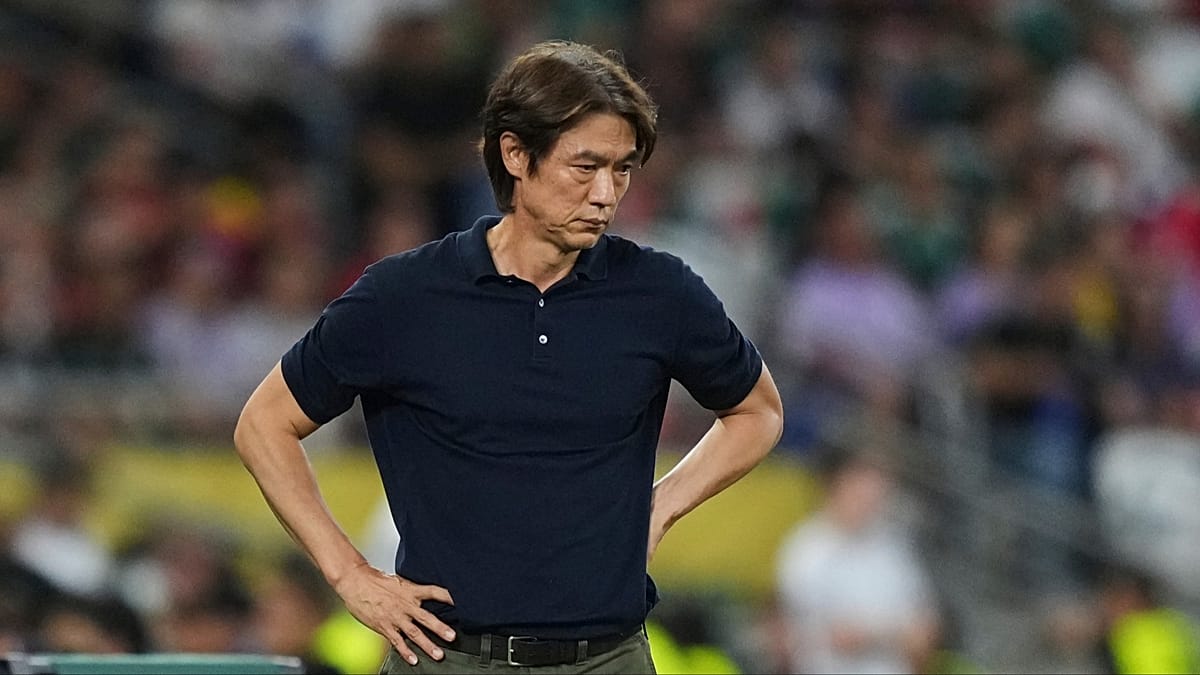
South Korea’s campaign ended in the group stage after an opening win was followed by defeats and a failure to secure progression. In many countries, that would trigger criticism, tactical debate, and perhaps a coaching change. In this case, the South Korea World Cup backlash escalated into public fury, airport boos, calls for permanent resignation, and even reported death threats against head coach Hong Myung-bo.
The reaction intensified after Hong apologized and resigned, while President Lee Jae Myung publicly condemned what he framed as an unacceptable outcome linked to favoritism and cronyism. That intervention pushed the story beyond sport and into the realm of institutional credibility.
Several factors explain why the anger has been so intense:
- A disappointing exit after early expectations of progress
- Longstanding suspicion surrounding Hong’s return as coach
- Public frustration over perceived insider networks within football administration
- Controversial squad decisions, including leaving out Son Heung-min for a crucial match
- A broader demand for transparency and merit-based leadership
This is why the South Korea World Cup backlash is being read not only as a sports story, but as a crisis of governance and trust.
From football controversy to a lesson in brand prestige
Luxury sectors understand that desirability depends on more than product quality. Consumers buy into values, heritage, curation, and authority. The same logic applies to elite sports institutions: fans do not simply support results, they invest emotionally in the legitimacy of the system.
When that legitimacy is questioned, the backlash can be swift and unforgiving. In the current South Korea World Cup backlash, the issue is not only losing. It is the perception that decision-making may have prioritized personal connections over excellence.
Prestige collapses when confidence disappears
A luxury brand can survive a weak season, a design house can survive an unpopular collection, and a national team can survive a bad tournament. What is harder to survive is the belief that standards are no longer real.
That is the crucial connection between this football controversy and the luxury world. Premium positioning rests on three pillars:
- Credibility — people must believe selection and leadership are earned.
- Consistency — institutions need clear standards across time.
- Transparency — while not every internal decision is public, the process must feel defensible.
Once these pillars weaken, prestige starts to look like performance rather than substance.
How leadership decisions fueled the South Korea World Cup backlash
At the center of the controversy is Hong Myung-bo, a revered football figure whose return to the national team setup had already faced criticism. His earlier achievements and iconic status did not shield him from scrutiny. In fact, they may have raised expectations even higher.
The South Korea World Cup backlash intensified because fans appear to view the coaching appointment as symbolic of a deeper administrative problem. Reports of investigations into whether football leadership interfered in the hiring process have only added fuel to the fire.
The Son Heung-min decision became a flashpoint
One of the most contentious moments was the decision to leave veteran star Son Heung-min out of the match against South Africa, a game in which South Korea needed only a draw to advance. Even if coaching decisions can always be defended on tactical grounds, timing matters. In already tense environments, high-profile choices become lightning rods.
That is another familiar lesson for luxury leadership: in moments of uncertainty, every decision carries symbolic meaning. A product launch, a creative appointment, or a public statement can either restore confidence or deepen suspicion.
What luxury brands and luxury design leaders can learn
The South Korea World Cup backlash highlights how elite institutions must actively protect trust. For luxury executives, designers, and brand strategists, the parallels are striking.
Key takeaways for premium brands
- Heritage is not immunity: past success does not excuse present missteps.
- Visibility raises stakes: the more iconic the figure, the harsher the public response when confidence falls.
- Governance matters: opaque appointment processes can damage perception as much as poor performance.
- Public sentiment moves fast: outrage now spreads instantly across social platforms and news cycles.
- Reputation requires repair: apologies alone rarely work without structural reform.
In luxury decor and luxury design, clients increasingly expect more than beauty. They want integrity in sourcing, authorship, leadership, and brand storytelling. The same expectation now shapes how audiences judge cultural and sporting institutions.
A national image challenge, not just a football story
What makes the South Korea World Cup backlash especially significant is that it touches national image. South Korea has spent decades building a powerful global reputation through culture, design, technology, hospitality, and soft power. When a major public institution is engulfed by accusations of favoritism and disorder, it creates a wider conversation about standards.
That does not mean the football crisis defines the country. It does mean that high-visibility failures can affect how international audiences interpret leadership culture. In a prestige economy, perception travels across sectors.
For luxury observers, that is a vital point. A country’s design identity, premium exports, and cultural cachet are all linked, however loosely, by the idea of excellence. Stories that challenge excellence can ripple far beyond their original arena.
Conclusion: why the South Korea World Cup backlash matters
The South Korea World Cup backlash is ultimately a story about more than sport. It reveals how quickly disappointment turns into outrage when people believe systems are unfair, unaccountable, or disconnected from merit.
For luxury brands, luxury decor leaders, and luxury design strategists, the takeaway is clear: prestige cannot be sustained by symbolism alone. It must be reinforced by transparent leadership, credible decisions, and standards the public can trust. In football as in luxury, reputation is the real trophy — and once it cracks, rebuilding it takes far more than a public apology.