In luxury, the true mark of value is rarely the label alone—it is the craftsmanship, structure, and long-term vision behind it. That same principle is shaping the debate around Ukraine EU enlargement, as Kyiv argues that meaningful integration matters more than any interim title attached to the process.
Recent discussions in Brussels and across European capitals have explored new ways to move candidate countries closer to the European Union before full accession. For Ukraine, the message is increasingly clear: practical benefits, institutional alignment, and deeper cooperation should come first, while terminology should remain secondary. Framed through the lens of luxury design and premium brand thinking, it is a story about substance, not surface.
Ukraine EU Enlargement Is Becoming a Question of Real Value
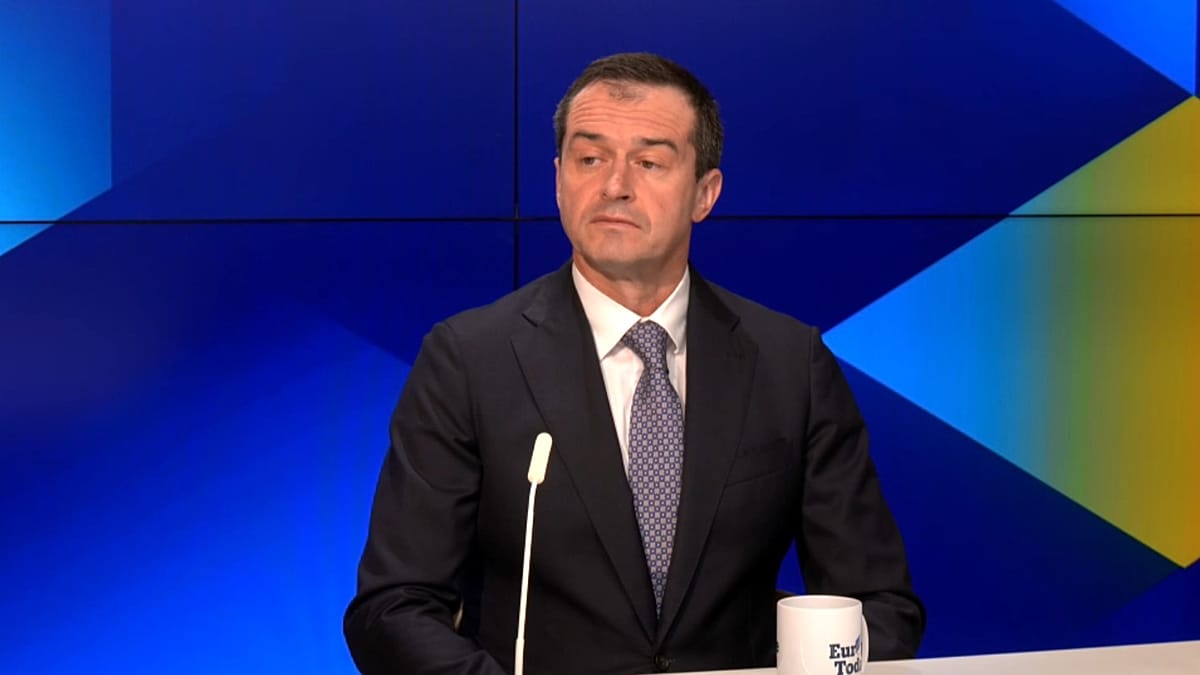
The latest comments from Ukraine’s ambassador to the EU underline a strategic shift in how Ukraine EU enlargement is being discussed. Rather than focusing narrowly on whether Ukraine should be granted an “associate membership” label or another intermediate status, Kyiv wants the conversation to center on what each step actually delivers.
That includes:
- Stronger economic cooperation with the EU
- Deeper institutional integration
- Earlier access to the practical benefits of enlargement
- Faster movement through accession clusters
- Greater predictability for long-term reform and investment
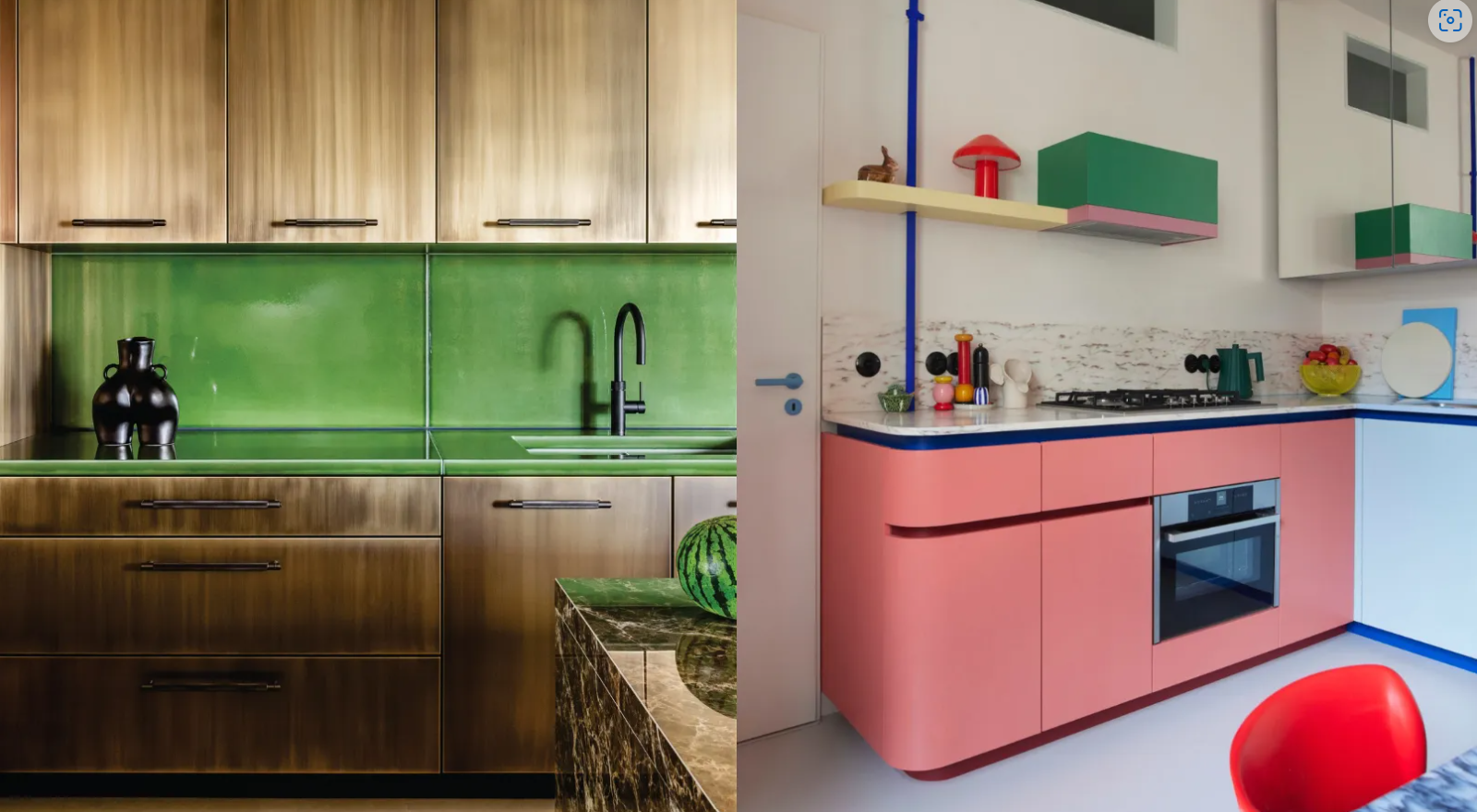
From a luxury perspective, this mirrors the difference between branding and build quality. A prestigious title can create attention, but enduring worth comes from the architecture underneath. In the case of Ukraine EU enlargement, the architecture is made up of policy reforms, governance standards, trade integration, and security coordination.
Why Gradual Integration May Matter More Than Political Labels
Several EU leaders and institutions are considering phased models that would bring Ukraine closer to the bloc before full membership. One proposal floated in recent weeks involves a form of associate participation paired with security assurances. While that idea has sparked debate, Ukrainian officials have signaled that the name itself is not the core issue.
What matters is whether gradual integration creates tangible progress. If a step-by-step framework helps Ukraine deepen ties with the EU, access key markets, and align more rapidly with European systems, then it could add real value to the accession journey.
Substance over symbolism
This emphasis on substance is especially relevant in today’s political climate. In premium interiors and luxury brands, consumers increasingly look beyond status symbols toward authenticity, quality, and function. The same mindset applies here. Ukraine EU enlargement is not simply a diplomatic branding exercise; it is a structural transformation with major implications for governance, commerce, and regional stability.
By prioritizing outcomes over optics, Ukraine is effectively arguing for an accession process that feels useful now, not only ceremonial later.
Acceleration in the Accession Process Signals Momentum
There has already been meaningful progress. Ukraine and Moldova recently reached another milestone when all EU member states agreed to move forward with the second of six accession clusters, pending formal confirmation. This is significant because accession clusters are the operational backbone of the enlargement process, grouping reforms and negotiations into major thematic areas.
Ukraine has also made clear that it wants to open all remaining clusters as soon as possible. Officials argue that much of the preparatory work has already been done, and that there is little justification for delaying the process further.
The speed question is central to Ukraine EU enlargement. Faster movement does not simply reflect political ambition—it also helps preserve reform momentum, reassure markets, and strengthen confidence among EU partners. For investors, institutions, and observers alike, pace can be a signal of seriousness.
The Hungary factor
One of the recent obstacles to quicker progress had been resistance from Budapest under former Prime Minister Viktor Orbán. With political change in Hungary, the tone has reportedly become more open, though caution remains. That creates a more flexible environment for discussions, even if some member states still prefer not to move too quickly for domestic political reasons.
This evolving dynamic shows that Ukraine EU enlargement remains deeply political, but also increasingly pragmatic. Consensus in the EU often emerges slowly, through compromise and calibrated sequencing rather than dramatic breakthroughs.
What Luxury Categories Can Learn From the Enlargement Debate
At first glance, EU accession may seem far removed from luxury decor, luxury design, or luxury brands. Yet the underlying philosophy is surprisingly familiar. High-end sectors have long understood that excellence is built through layers of disciplined execution.
Consider the parallels:
- Craft before branding: Lasting prestige depends on underlying quality.
- Phased development: The finest projects evolve through carefully staged progress.
- Trust through consistency: Reputation grows when performance matches promise.
- Long-term value: Enduring success comes from structure, not hype.
That is why the current discussion around Ukraine EU enlargement resonates beyond politics. It reflects a broader truth relevant to luxury markets: titles may attract attention, but substance is what creates legitimacy.
What Comes Next for Ukraine EU Enlargement?
The next phase will likely depend on whether EU institutions and member states can translate political goodwill into concrete procedural advances. Formal confirmation of additional accession steps will be closely watched, as will any proposals to redesign or modernize the enlargement framework.
Key issues to monitor include:
- The opening of further accession clusters
- EU reform proposals related to enlargement
- The balance between gradual integration and full membership goals
- Security cooperation and institutional alignment
- Member state support for faster timelines
For Ukraine, the objective remains unchanged: full EU membership. But along the way, Kyiv is making a nuanced argument that interim mechanisms are acceptable if they deliver meaningful benefits and keep the end goal intact.
In that sense, Ukraine EU enlargement is being defined less by symbolism and more by strategic design. Like a luxury house known for timeless elegance, the emphasis is on building something coherent, functional, and durable.
Conclusion
The central lesson of Ukraine EU enlargement is simple: progress should be measured by what it changes, not just by what it is called. As Brussels debates new formats and frameworks, Ukraine is pressing for a process rooted in practical gains, faster movement, and real integration.
For anyone who understands luxury—whether in brands, interiors, or design—that logic feels familiar. True value is never just a title. It is the substance behind it, and in Ukraine EU enlargement, that substance may prove to be the most important factor of all.