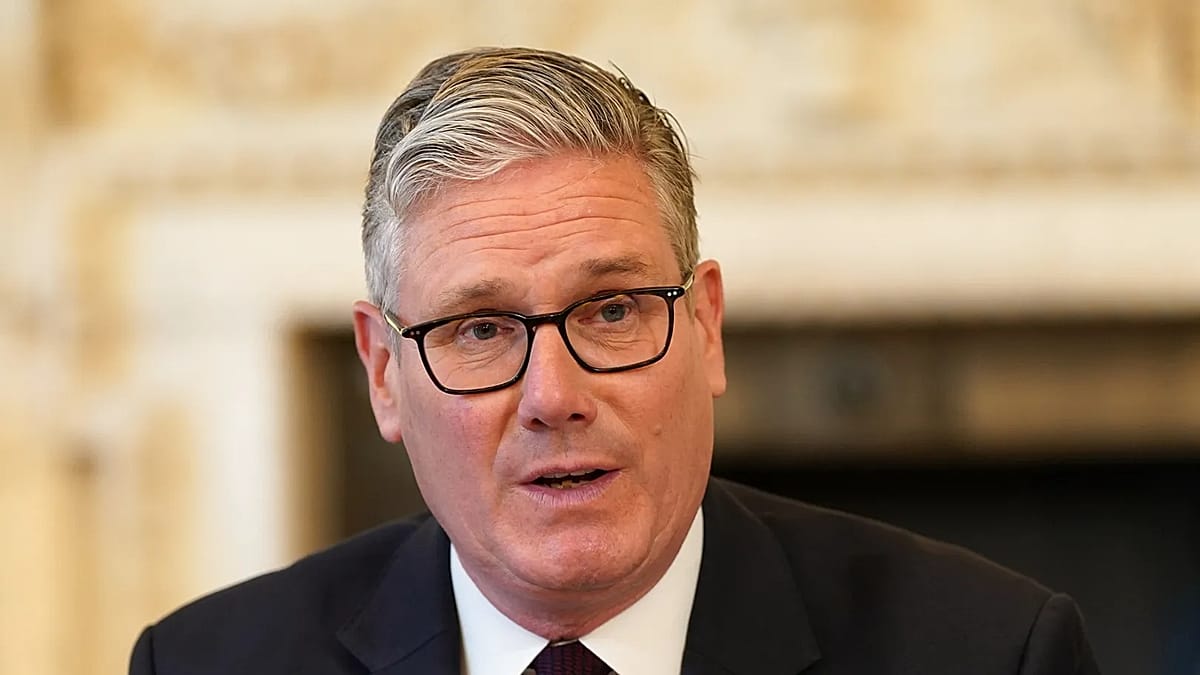
Keir Starmer’s resignation is more than a political headline—it is a signal event for premium markets that thrive on confidence, stability and international flows of capital. For businesses operating across luxury brands, luxury decor and luxury design, the Keir Starmer resignation raises important questions about consumer sentiment, global diplomacy and the economic backdrop shaping affluent spending in the UK.
Starmer described his decision to step down as “intensely personal” in his first major interview since announcing his departure, while also stressing that any incoming prime minister will still need to devote major attention to foreign affairs. That matters far beyond Westminster. When geopolitical tensions affect energy, trade routes and household costs, the ripple effects can reach everyone from heritage fashion houses to bespoke interior studios and high-end furniture makers.
Why the Keir Starmer resignation matters to luxury markets
At first glance, a change in political leadership may seem distant from the world of premium living. Yet the luxury sector is especially sensitive to macroeconomic mood, investment confidence and international positioning. The Keir Starmer resignation lands at a time when business leaders are already watching inflation pressures, supply chains and global conflict.
Starmer argued that diplomacy cannot be separated from domestic living standards, pointing specifically to the wars in Ukraine and Iran and their effect on the cost of living. For the luxury economy, this is highly relevant because elevated energy costs, shipping risks and uncertain financial markets influence both affluent buying behavior and operating costs across design-led industries.
Luxury categories often perform best when three conditions align:
- Strong consumer and investor confidence
- Predictable international trade relationships
- A stable currency and manageable inflation outlook
Any political transition that complicates those factors can create caution, even among wealthy buyers. While ultra-high-net-worth clients remain resilient, aspirational luxury consumers are often more exposed to uncertainty.
Diplomacy, global instability and the price of luxury
One of the most notable themes in the Keir Starmer resignation story is Starmer’s insistence that global conflicts directly shape life at home. His warning that the next prime minister cannot spend less time on diplomacy reflects a reality luxury executives already understand: geopolitics affects pricing, sourcing and demand.
Energy and materials pressure
Luxury decor and luxury design rely on premium materials, specialist manufacturing and international logistics. When conflict disrupts energy markets or trade corridors, costs can rise for:
- Natural stone, timber and metals used in interiors
- Handcrafted furnishings and artisan-made pieces
- Imported textiles, lighting and decorative objects
- Packaging, freight and white-glove delivery services
If the Strait of Hormuz or other critical routes come under pressure, as Starmer suggested, shipping and fuel costs can reverberate through the premium home sector. Even brands with strong pricing power must decide whether to absorb those increases or pass them on to clients.
Currency and cross-border demand
The UK’s appeal as a destination for luxury shopping, design commissions and property-led interior investment also depends on global confidence. Leadership changes can influence sterling, investor perception and the pace of cross-border spending. For luxury brands with flagship stores in London or for design firms serving international homeowners, the Keir Starmer resignation could become part of a broader conversation about Britain’s near-term economic narrative.
What a new Labour leadership could mean for luxury brands
Attention is now turning to Andy Burnham, widely seen as a leading contender to succeed Starmer. Burnham has emphasized domestic renewal, economic reform and a break from trickle-down thinking. For luxury brands, this could produce a mixed but important policy environment.
On one side, stronger focus on domestic affordability and public-facing economic fairness could sharpen scrutiny on wealth, property and premium consumption. On the other, a government keen to demonstrate growth may value the luxury sector’s contribution to jobs, exports, craftsmanship and creative prestige.
Luxury businesses should watch several areas closely:
- Tax and investment policy: Changes affecting entrepreneurs, property owners or high earners can alter premium spending patterns.
- Urban regeneration: Investment in cities and regional growth can create new demand for luxury decor, hospitality design and branded residences.
- Trade and mobility: Easier movement of talent, buyers and goods would support design houses, artisans and international showrooms.
- Cultural positioning: A government that champions British craftsmanship could benefit heritage makers and contemporary luxury design studios.
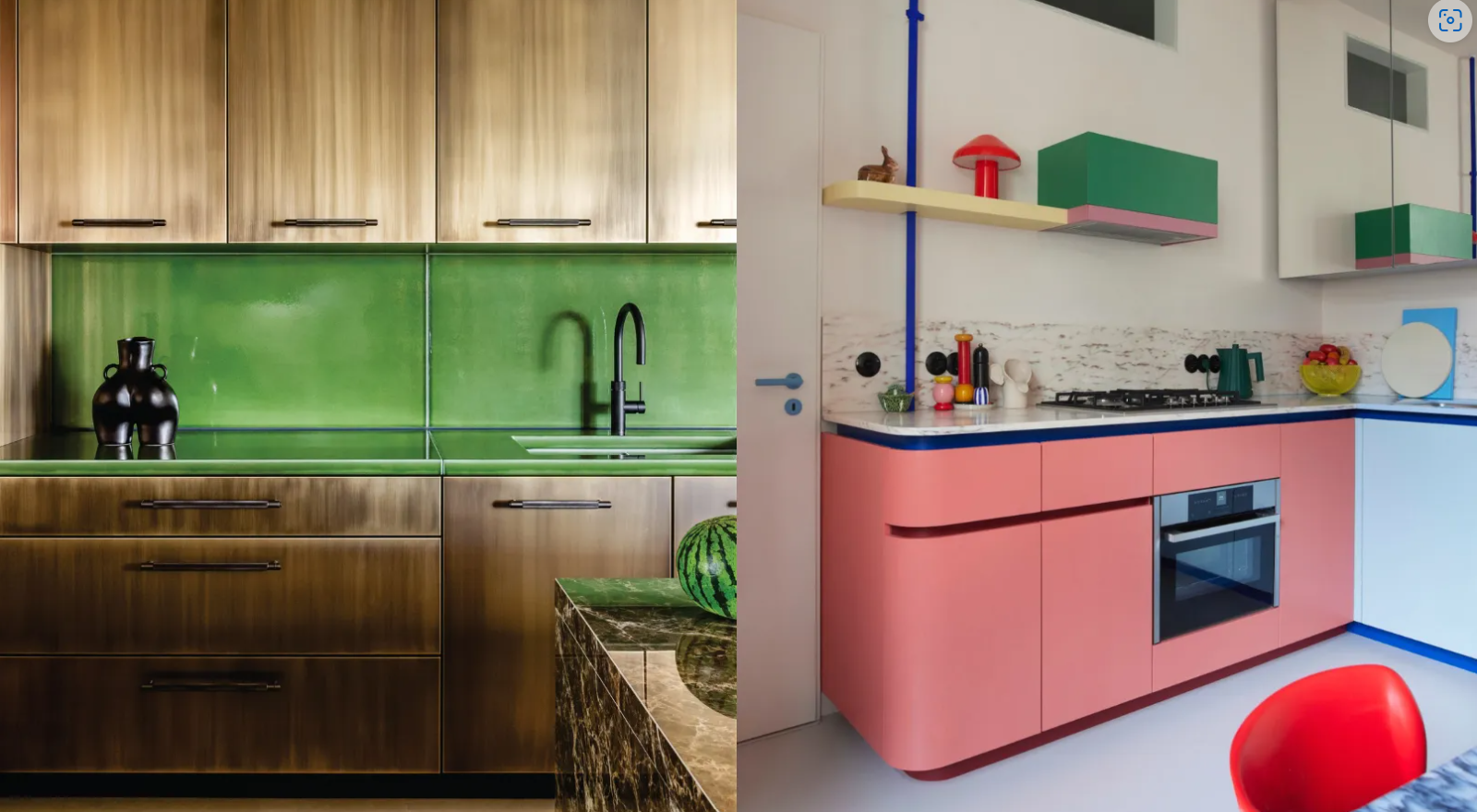
Luxury decor and interior design in a cautious climate
The Keir Starmer resignation comes as affluent consumers increasingly seek value through longevity, craftsmanship and personalization rather than conspicuous excess alone. That trend may accelerate if political uncertainty persists.
In luxury decor, buyers often respond to unstable periods by favoring timeless pieces, collectible furniture, custom joinery and investment-grade interiors. Rather than abandoning high-end spending, they may become more selective. This is especially true in residential design, where clients want homes to feel both emotionally reassuring and materially enduring.
Design firms and premium home brands can respond by emphasizing:
- Proven craftsmanship and artisanal quality
- Made-to-order exclusivity
- Sustainable sourcing and traceable materials
- Long-term value rather than fast trend cycles
- International service capabilities for globally mobile clients
In other words, uncertain politics often strengthen the case for true luxury: rarity, permanence and trusted expertise.
The bigger takeaway from the Keir Starmer resignation
The Keir Starmer resignation is ultimately a reminder that politics, diplomacy and luxury are deeply interconnected. Starmer’s own framing of global conflict as a driver of household pressure underscores how quickly foreign policy can shape economic behavior at every level, including the premium end of the market.
For luxury brands, luxury decor specialists and luxury design firms, the key is not to overreact to a single leadership change but to read the broader signals. Watch consumer confidence, international trade conditions, energy costs and the policy direction of the next government. Brands that pair heritage, agility and global awareness will be best placed to navigate this transition.
As the UK prepares for a new political chapter, the Keir Starmer resignation may prove to be more than a Westminster turning point—it could become a defining moment in how the luxury sector positions itself for resilience, relevance and long-term growth.