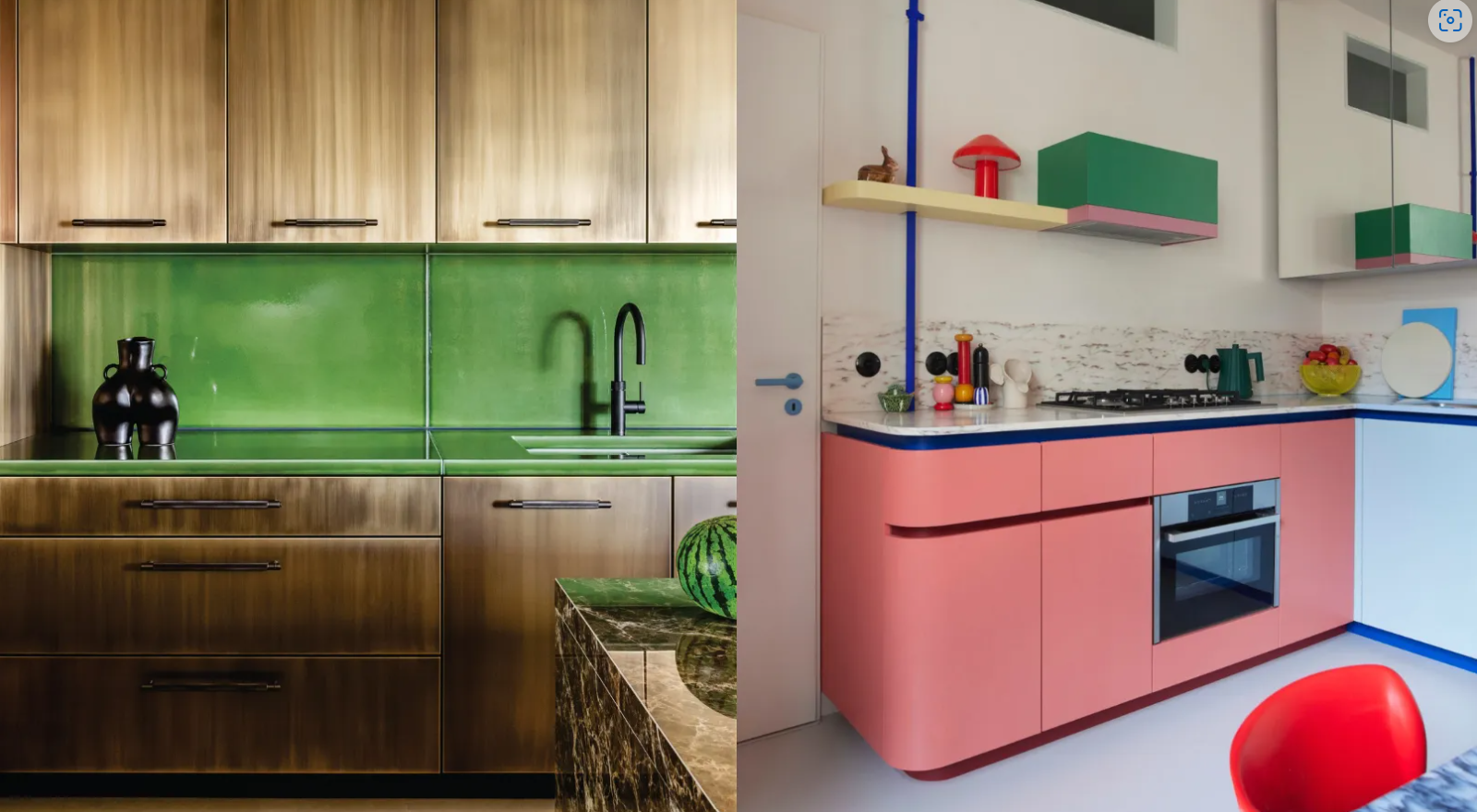
Portugal is attracting the world’s super-rich at a moment when wealth migration is reshaping luxury consumption across Europe. For luxury brands, luxury decor houses and luxury design firms, the shift is more than a property story — it is a signal that a new high-net-worth hub is gaining momentum, with implications for real estate, interiors, hospitality and bespoke services.
As international capital looks for lifestyle, stability and long-term value, Portugal is increasingly appearing on the shortlist. The country offers a rare mix of Atlantic beauty, historic architecture, relative safety, global connectivity and an upscale yet understated way of life. That combination is proving powerful for affluent buyers seeking not just second homes, but a complete luxury ecosystem.
Why Portugal Is Attracting the World’s Super-Rich
The phrase Portugal super-rich is becoming more relevant because several forces are converging at once. Wealthy individuals and families are no longer choosing destinations based only on tax efficiency or prestige. They are also prioritising lifestyle resilience, design quality, privacy, education, healthcare access and the ability to move capital into desirable hard assets.
Portugal performs well on many of those measures. From Lisbon’s refined urban energy to the Algarve’s resort appeal and Comporta’s discreet coastal exclusivity, the country offers multiple luxury lifestyles within a relatively compact geography.
Key factors behind the shift
- Prime real estate appeal: Upscale homes, branded residences and heritage properties continue to attract foreign buyers.
- Lifestyle value: Climate, cuisine, culture and coastline create lasting appeal beyond pure investment logic.
- International mobility: Portugal’s place within Europe adds convenience for globally mobile residents.
- Relative discretion: Many wealthy buyers increasingly prefer quiet luxury over flashy visibility.
- Growing luxury infrastructure: Fine dining, yacht marinas, private services, boutique hotels and premium retail are expanding.
For the Portugal super-rich trend, this matters because luxury spending tends to follow residency. When wealthy households establish a base, demand grows for architecture, interior design, collectible furnishings, art advisory, landscape design and concierge-led home services.
How Luxury Real Estate Drives Luxury Decor and Design
One of the clearest effects of the Portugal super-rich boom is the knock-on demand it creates for high-end design sectors. A premium property purchase is usually only the beginning. New owners often embark on full-scale renovations, interior fit-outs or custom-built projects that bring together architects, artisans and luxury suppliers.
That creates fertile ground for businesses in:
- Luxury decor and bespoke furniture
- Architectural lighting and premium materials
- Landscape and outdoor living design
- Smart-home integration for elite residences
- Art curation and collectible design
Portugal’s own design identity also strengthens the proposition. The country has a rich tradition of craftsmanship, including stonework, ceramics, woodwork, textiles and metal finishing. For international buyers, that allows residences to feel rooted in place while still meeting global luxury standards.
The rise of “quiet luxury” interiors
Many affluent buyers moving into Portugal are drawn to a softer, more discreet visual language. Instead of overt opulence, they often prefer natural textures, custom joinery, muted palettes, sculptural furniture and seamless indoor-outdoor living. This design direction aligns perfectly with coastal villas, restored townhouses and contemporary estates across Portugal.
For luxury decor brands, the opportunity lies in creating homes that feel both highly personal and internationally sophisticated. The winning formula is less about logo-heavy statements and more about craftsmanship, provenance and timelessness.
What Luxury Brands Should Watch in Portugal
The Portugal super-rich movement is not only relevant to developers and estate agents. It should also be closely watched by luxury brands considering expansion or repositioning in Southern Europe.
Retail and clienteling opportunities
As wealth settles in a destination, luxury retail often evolves in stages. First comes demand for private shopping, showroom appointments and high-touch concierge services. Then, as the customer base deepens, flagship boutiques, seasonal pop-ups and curated partnerships follow.
Luxury brands entering Portugal should think beyond conventional store rollouts. More effective strategies may include:
- Private events tied to property launches or art fairs
- Collaborations with luxury hotels and members’ clubs
- Interior-focused capsules for affluent homeowners
- Bespoke services for yacht, villa and residence clients
Because the Portugal super-rich audience is often international, multilingual and highly networked, relationship-driven selling can outperform mass visibility.
Hospitality and branded living
Another important area is branded residences and luxury hospitality. The line between hotel, home and private club is becoming increasingly blurred. Affluent residents want design-led spaces with service, privacy and wellness built in. That creates opportunities for premium furnishing brands, spa designers, kitchen specialists and art-led interior consultancies.
In this sense, Portugal is not simply attracting money — it is nurturing a broader luxury lifestyle economy.
Risks, Pressures and the Bigger Economic Picture
Any discussion of the Portugal super-rich trend should also acknowledge its complexities. Rising high-end demand can lift local property values, increase pressure on housing affordability and sharpen inequality debates. Governments, city planners and developers will need to balance investment with livability.
There is also the question of durability. Wealth migration can be influenced by regulatory changes, global tax policy, interest rates and geopolitical uncertainty. Even so, Portugal’s appeal appears to rest on more than temporary incentives. Its stronger advantage is experiential: lifestyle quality, design potential and a sense of place that many luxury buyers now rank above traditional status markers.
For luxury design and decor businesses, that means the market opportunity is best viewed as structural rather than purely speculative. The most resilient brands will be those that understand local culture, partner with regional makers and deliver a refined, service-led experience.
What the Portugal Super-Rich Trend Means for the Future of Luxury
The rise of the Portugal super-rich story reflects a broader change in global luxury. Wealth is flowing toward destinations that combine beauty, security, authenticity and flexibility. Portugal fits that model unusually well, making it one of the most important markets to watch for high-end property, interior design and luxury living.
For luxury brands, the takeaway is clear: follow where affluent consumers choose to live, not just where they travel. In Portugal, that means opportunities in bespoke homes, luxury decor, collectible design, hospitality partnerships and private client services. As Portugal continues attracting the world’s wealthiest residents, the brands that move early — and thoughtfully — will be best placed to define the next chapter of European luxury.