Luxury thrives on one idea above all else: trust in the value of the brand. That is why the Balogun red card reversal has become more than a football talking point. It has opened a wider conversation about fairness, elite influence, and the kind of decision-making that can damage confidence in any high-stakes arena, from global sport to luxury brands, luxury decor, and luxury design.
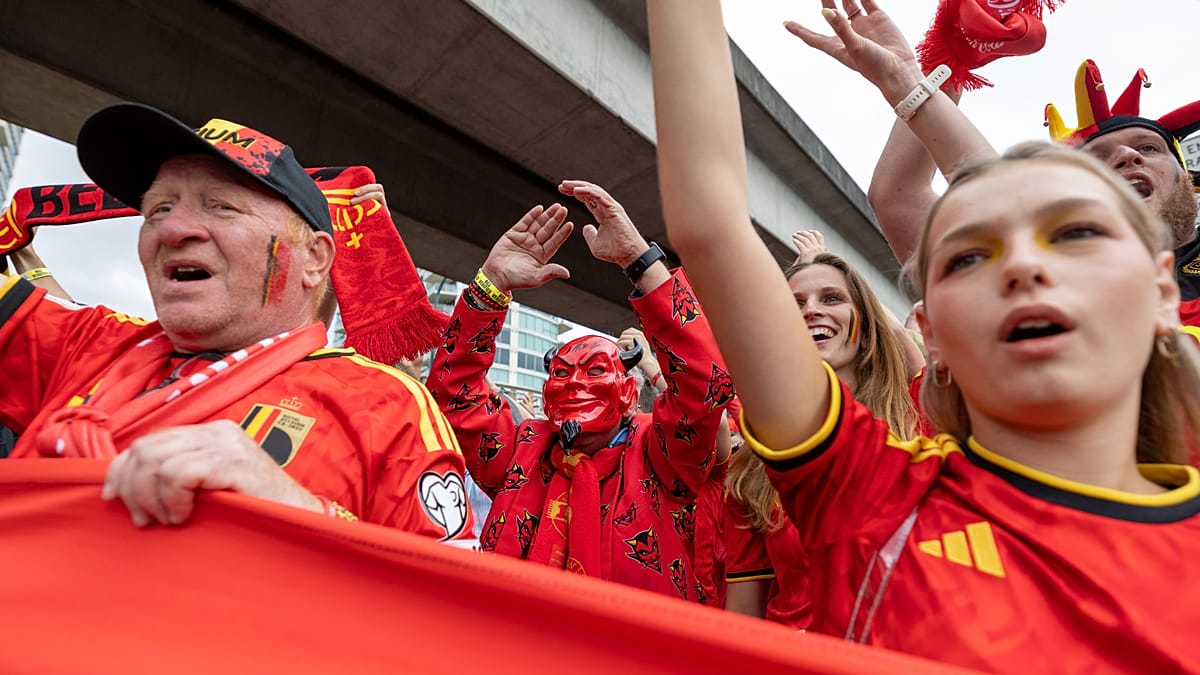
After FIFA overturned United States striker Folarin Balogun’s suspension ahead of a World Cup knockout match against Belgium, Belgian fans reacted with frustration and disbelief. Their message was simple: rules should apply equally. In a world where image, prestige, and authority matter, the backlash to the Balogun red card reversal shows how quickly public trust can shift when people sense that exceptions are being made for the powerful.
The Balogun Red Card Reversal and Why It Resonated
The controversy stems from FIFA’s decision to cancel Balogun’s suspension after he had been sent off, allowing him to be available for a crucial round-of-16 clash. According to the source reporting, the move came after reported intervention by US President Donald Trump, adding a political dimension to what might otherwise have remained a routine sporting appeal.
Belgian supporters in Brussels described the ruling as “not normal,” with several arguing that “a red card is a red card.” Their reaction was not only about one player or one match. It reflected a broader concern that the integrity of competition depends on consistency, transparency, and confidence in the rules.
The Balogun red card reversal quickly became symbolic of a familiar fear: when global institutions appear to bend under pressure, audiences begin to question whether fairness is genuinely protected.
Why Fairness Matters in Premium and Luxury Culture
At first glance, a World Cup refereeing dispute may seem far removed from luxury design or luxury decor. But the connection is stronger than it appears. Premium markets rely on carefully built credibility. Whether the subject is a couture house, a heritage furniture atelier, or an elite sporting body, reputation depends on the belief that standards are real and consistently upheld.
Luxury audiences are especially sensitive to signals of authenticity. They value:
- Craftsmanship backed by heritage
- Transparent quality standards
- Scarcity that feels earned, not manipulated
- Authority that comes from expertise rather than influence
That is why the reaction to the Balogun red card reversal feels culturally relevant beyond football. When decision-makers appear inconsistent, prestige can start to look performative instead of deserved.
How Controversy Shapes Public Perception
Modern audiences do not separate governance from brand image as neatly as they once did. In both sports and luxury sectors, consumers watch how institutions behave under pressure. A controversial call can affect more than headlines; it can influence long-term confidence.
1. It raises questions about equal treatment
The strongest criticism from Belgian fans centered on equality. If one player can avoid a sanction through extraordinary intervention, supporters naturally ask whether every team would receive the same treatment. This concern mirrors questions often raised in luxury sectors when VIP access, insider influence, or selective rule enforcement appears to distort the customer experience.
2. It weakens belief in official systems
Fans said the decision could damage trust in refereeing. That matters because elite systems function best when participants believe the process is impartial. In luxury design, the same principle applies to awards, sourcing claims, sustainability promises, and authentication standards.
3. It amplifies emotional backlash
Because knockout football is high drama, every ruling carries emotional weight. The Balogun red card reversal hit a nerve because it arrived just before a major match. Timing matters. In any prestige-driven field, controversial decisions made at a pivotal moment often create outsized reputational fallout.
Lessons for Luxury Brands and Design Leaders
For executives, curators, and creative directors in premium spaces, this episode offers several useful reminders.
- Consistency protects prestige. A brand or institution cannot market excellence while applying standards unevenly.
- Transparency reduces suspicion. When decisions are unusual, clear communication is essential.
- Influence must never overshadow process. The appearance of favoritism can be nearly as damaging as favoritism itself.
- Audiences value fairness as much as glamour. Aspiration alone is no longer enough to sustain loyalty.
These lessons are especially relevant in luxury decor and luxury design, where provenance, craftsmanship, and editorial credibility help justify premium positioning. If consumers suspect that gatekeeping is arbitrary, the aura of exclusivity can quickly feel hollow.
The Power of Symbolism in Elite Institutions
One reason the Balogun red card reversal spread so quickly is that elite institutions operate through symbols. In football, a red card symbolizes punishment and accountability. In luxury, logos, maisons, limited editions, and signature materials symbolize quality and status. When one symbol loses clarity, the broader system can feel unstable.
Belgian fans were responding to more than a technical ruling. They were reacting to what that ruling represented: a possible exception to a supposedly universal standard. In the same way, luxury consumers often react strongly when a brand’s behavior undermines the values it publicly celebrates.
What This Means for Brand Storytelling Today
Today’s best storytelling is not just about aspiration. It is about legitimacy. Audiences want beauty, exclusivity, and world-building, but they also want evidence that the institution behind the image deserves authority.
That shift is changing how premium sectors communicate. Strong modern brand narratives now emphasize:
- Documented craftsmanship and sourcing
- Visible governance and accountability
- Cultural relevance without opportunism
- A fair process behind elite outcomes
Viewed through that lens, the Balogun red card reversal is not merely a sports dispute. It is a case study in how quickly confidence can erode when process appears secondary to power.
Conclusion: The Balogun Red Card Reversal Is Really About Trust
In the end, the Balogun red card reversal struck a nerve because it challenged a basic expectation: rules should mean the same thing for everyone. Belgian fans voiced that concern in direct terms, but the message applies far beyond the pitch. In luxury brands, luxury decor, luxury design, and global sport alike, prestige only works when people believe the system is credible.
The takeaway is clear: exclusivity may create attention, but fairness creates lasting authority. And once trust is in question, even the most polished image can start to crack.