

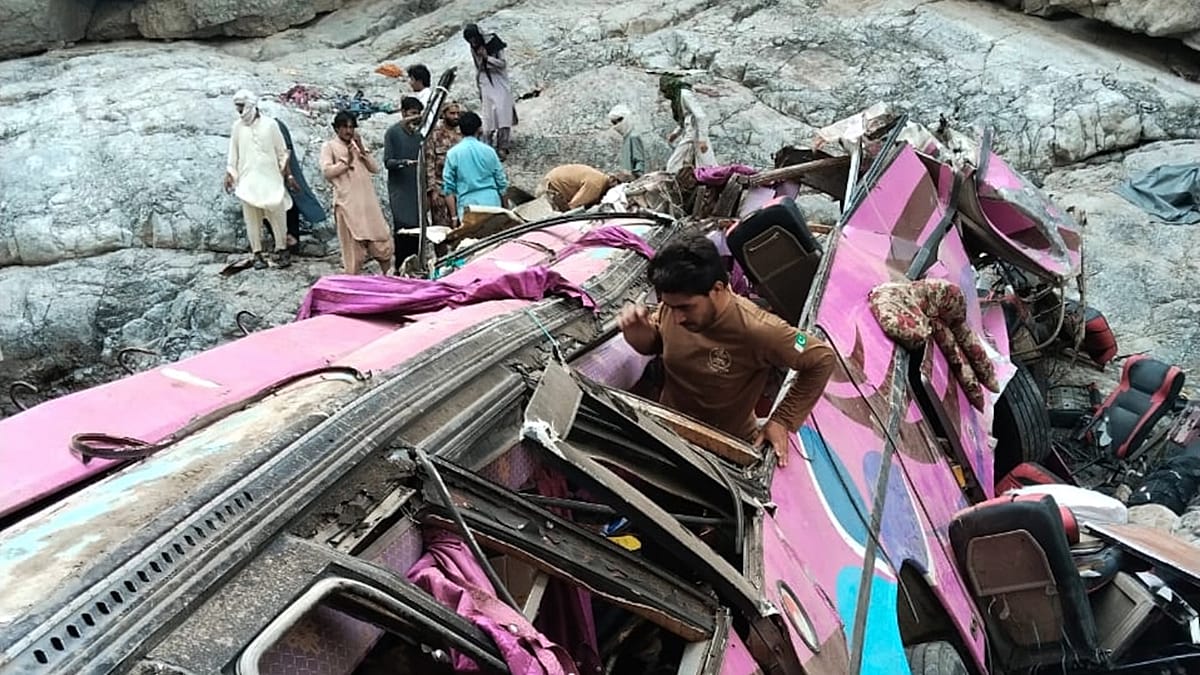
Luxury architecture is often associated with beauty, exclusivity, and craftsmanship. But the latest Pakistan bus crash is a stark reminder that design at its highest purpose is also about safety, resilience, and human life. When an overcrowded passenger bus plunged into a ravine in southwestern Pakistan, killing 40 people and injuring eight, the tragedy underscored how infrastructure design failures can have devastating consequences far beyond the roadway itself.
While the incident is first and foremost a human disaster, it also raises urgent questions for architects, planners, and designers: what happens when transport corridors, emergency systems, and regional development are not built with safety-first principles? In sectors connected to luxury architecture, luxury design, and luxury interiors, this event offers an important lens on how thoughtful design can support safer communities.
Pakistan Bus Crash and the Design Lessons Behind the Tragedy
According to officials, the bus was traveling through the remote Dana Sar area near the border of Balochistan and Khyber Pakhtunkhwa when it lost control and fell into a rocky ravine. Authorities said the vehicle was overcrowded, carrying its own passengers as well as travelers from another broken-down bus. Investigators are also examining reports that an onboard dispute may have contributed to the loss of control.
The Pakistan bus crash is being investigated by police, but several structural issues already stand out:
- Overcrowded passenger transport
- Remote and potentially hazardous road conditions
- Limited margin for driver error on mountainous routes
- The need for faster emergency access and medical response
- Longstanding concerns about traffic law enforcement
Pakistan has faced repeated road safety challenges, especially in difficult terrain where poor maintenance, unsafe driving practices, and underdeveloped infrastructure increase the risk of fatal accidents. In this context, the Pakistan bus crash is not an isolated event but part of a broader infrastructure problem.
Why Road Design Matters in Luxury Architecture and Regional Planning
At first glance, a highway accident may seem unrelated to luxury architecture. In reality, high-end built environments do not exist in isolation. Luxury homes, resorts, estates, cultural destinations, and commercial developments all depend on safe access routes, reliable transportation networks, and emergency-ready infrastructure.
For developers and architects working on premium projects in remote or scenic locations, transport design is part of the overall experience and responsibility. A spectacular mountain retreat loses its value if approach roads are dangerous, poorly engineered, or inaccessible to emergency vehicles.
Key infrastructure principles designers should consider
- Safe approach roads: Roads serving high-value properties should include guardrails, proper grading, visible lane markings, and weather-resilient surfaces.
- Emergency access planning: Developments should account for ambulance routes, rescue access, and proximity to trauma care.
- Traffic flow management: Design should reduce bottlenecks, illegal stopping zones, and loading confusion.
- Human-centered wayfinding: Clear signage, lighting, and rest points improve safety for drivers and passengers alike.
- Resilience in rugged terrain: Mountain and ravine-adjacent routes require stronger engineering standards.
The Pakistan bus crash highlights how overlooked infrastructure details can become fatal under stress. For the luxury sector, that means safety can no longer be treated as a backstage technical issue. It is a core design value.
From Transport Safety to Interior Design Thinking
Luxury interiors may seem even further removed from a transport disaster, yet the same design philosophy applies indoors. The best interior environments combine aesthetics with intuitive movement, risk reduction, and occupant well-being. Whether in a private villa, boutique hotel, or branded residence, circulation, visibility, accessibility, and emergency preparedness are all part of elite design standards.
In this broader sense, the Pakistan bus crash reinforces an important industry principle: beautiful spaces must also protect the people who use them.
How safety-led design translates indoors
- Clear circulation paths that prevent congestion and confusion
- Material choices that reduce slips, impact risks, and fire hazards
- Lighting design that improves visibility during routine use and emergencies
- Spatial planning that supports calm evacuation if needed
- Integrated technology for alarms, monitoring, and emergency response
Just as transport systems fail when overloaded or poorly managed, interiors can also become unsafe when design overlooks real-life behavior. Good design anticipates pressure points before they become crises.
What the Pakistan Bus Crash Reveals About Design Responsibility
Officials said rescuers transferred the injured to hospitals in Zhob and moved the victims’ bodies to district facilities, while national and provincial leaders expressed grief and called for the best possible medical care. Their response speaks to another design issue often ignored in development conversations: the relationship between infrastructure and public services.
A well-designed region is not measured only by landmark buildings or premium finishes. It is measured by how effectively roads, hospitals, rescue systems, and public networks function together. The Pakistan bus crash demonstrates that when one part of that system fails, the consequences ripple across entire communities.
For architecture and design professionals, this creates a wider ethical framework. Luxury design should not simply elevate individual properties; it should respect the ecosystems, mobility networks, and civic systems that make those properties viable and safe.
A Broader Shift Toward Safety as a Premium Design Standard
The global luxury market is already moving toward wellness, sustainability, and resilience. Safety should be considered just as essential. Buyers and investors are increasingly attentive to climate resilience, emergency planning, access logistics, and operational security, especially in remote or topographically complex locations.
This shift creates an opportunity for forward-thinking firms to expand their definition of excellence. In practical terms, that can include:
- Partnering with transport and civil engineers early in the design process
- Auditing site access and evacuation routes before development approval
- Incorporating data on road safety, terrain, and emergency response times
- Designing projects that strengthen rather than strain local infrastructure
- Treating safety measures as part of the luxury experience, not a compromise to it
The Pakistan bus crash is a sobering example of what can happen when infrastructure systems are pushed beyond safe limits. For designers, it reinforces that excellence is not only visual or material, but operational and humane.
Conclusion
The Pakistan bus crash is a tragedy rooted in loss, but it also carries an urgent lesson for the worlds of luxury architecture, luxury design, and luxury interiors. Great design is never just about appearance. It is about protecting life, anticipating risk, and creating environments that function safely under real conditions. As the industry continues to define modern luxury, safety-aware infrastructure and human-centered planning should stand alongside beauty and innovation as non-negotiable standards.