

The Spain heatwave 2026 is more than a weather headline—it is a design stress test for high-end homes, hospitality spaces, and luxury developments. As temperatures climb toward 42°C across multiple regions, architects, interior designers, and property owners are being pushed to rethink how beautiful spaces can also remain resilient, comfortable, and efficient.
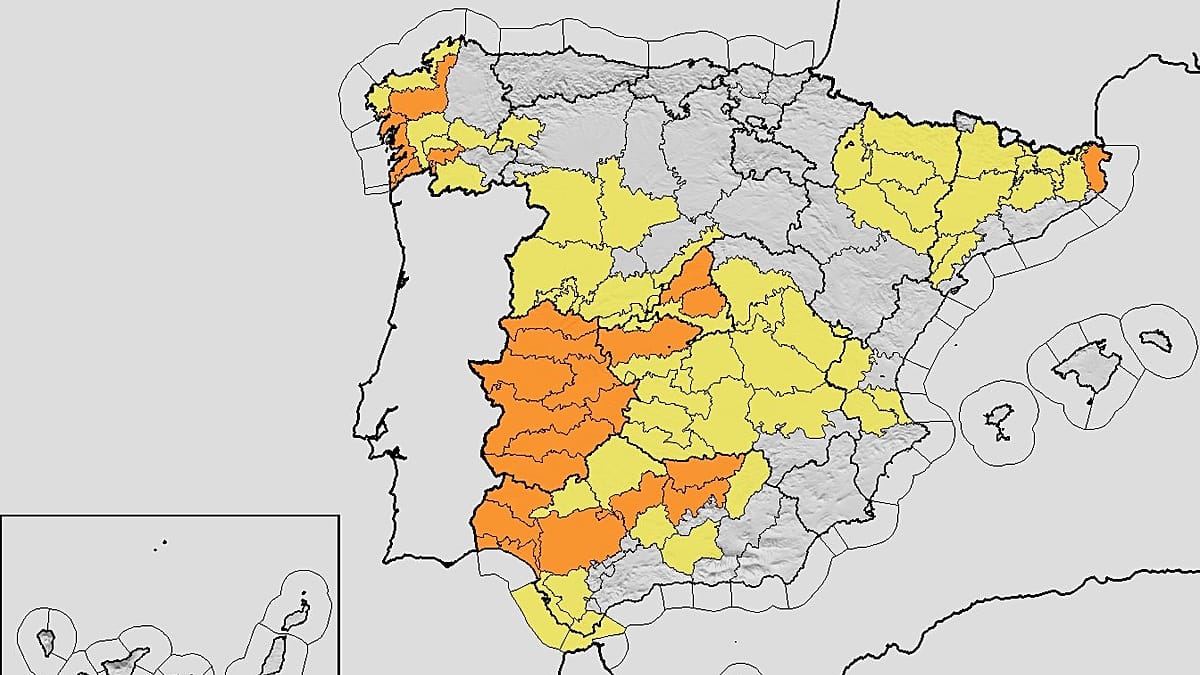
According to Spain’s meteorological agency Aemet, a special heatwave warning is in force, with orange alerts affecting several regions including Andalusia, Extremadura, Castilla-La Mancha, Catalonia, Galicia, and Madrid. Yellow warnings remain active in Aragon, Castile and León, and the Valencian Community. The current event, expected to last at least into next week, highlights a growing reality: extreme heat is no longer an occasional disruption but a recurring design condition.
Why the Spain Heatwave 2026 Matters to Luxury Property
The Spain heatwave 2026 is especially significant for the luxury sector because premium real estate is judged not only by aesthetics, but by livability. A villa with panoramic glazing, a penthouse with expansive terraces, or a boutique hotel with dramatic double-height interiors may look exceptional in photos, yet struggle under prolonged heat if not properly designed.
The regions facing the highest temperatures include parts of Andalusia, Extremadura, and the Tagus valley, where highs could approach 42°C. Inland Galicia, unusually, is also seeing intense heat, with Ourense forecast near 39°C. This broader geographic spread shows that heat-resilient design is no longer just a southern Spain concern.
Luxury buyers now expect climate intelligence
In the premium market, comfort has become a form of luxury. Buyers and clients increasingly look for homes and interiors that can deliver:
- Stable indoor temperatures without excessive energy use
- Shaded outdoor living areas that remain usable in summer
- High-performance glazing and insulation
- Smart cooling systems integrated discreetly into design
- Materials that age well under intense sun exposure
In that sense, the Spain heatwave 2026 is reshaping what future-proof luxury really means.
Design Lessons from the Spain Heatwave 2026
Extreme heat is forcing the design world to revisit principles that Mediterranean architecture has long understood. Thick walls, courtyards, cross-ventilation, shutters, and shaded arcades are no longer nostalgic details—they are practical assets.
1. Passive cooling is back at the centre of design
Passive cooling strategies reduce heat gain before mechanical systems need to work harder. For luxury architecture, this can be done without sacrificing elegance. Key approaches include:
- Deep overhangs and brise-soleil to cut direct solar exposure
- Natural cross-ventilation through carefully aligned openings
- Thermal mass in stone, lime plaster, or concrete to moderate indoor swings
- Interior courtyards that create cooler microclimates
- Reflective or ventilated roofing systems
These features are particularly relevant as the Spain heatwave 2026 underscores the limits of relying on air conditioning alone.
2. Outdoor luxury must become heat-adaptive
Terraces, rooftop lounges, pool decks, and garden pavilions are central to upscale Spanish living. But when temperatures soar above 40°C, these spaces can quickly become unusable unless they are designed for thermal comfort.
Designers are increasingly incorporating:
- Pergolas with movable louvers
- Dense planting for natural shade
- Water features that help cool surrounding air
- Heat-resistant stone and lighter paving tones
- Covered outdoor dining and lounge zones
The Spain heatwave 2026 demonstrates that exterior design must balance visual drama with day-to-day usability.
How Luxury Interiors Should Respond
Interior design plays an equally important role during severe summer weather. In high-end homes, thermal comfort should feel effortless, not mechanical or intrusive.
Materials and finishes matter more than ever
Some materials absorb and hold heat, while others help maintain a calmer indoor environment. During the Spain heatwave 2026, the best-performing luxury interiors will likely favour:
- Natural stone flooring that remains cooler underfoot
- Linen, cotton, and breathable textiles over heavy synthetics
- Light-toned palettes that visually and physically soften heat
- Timber screening and layered window treatments
- Low-heat lighting solutions integrated into architectural detailing
These choices support both sensory comfort and refined aesthetics.
Invisible technology is the new premium standard
Today’s luxury interiors increasingly depend on hidden performance. That means cooling systems, humidity control, smart blinds, and energy management platforms should work seamlessly in the background. During events like the Spain heatwave 2026, such systems become essential rather than optional.
For designers and developers, the challenge is clear: incorporate climate-responsive technology without disrupting the visual language of the space.
A New Brief for Architects and Developers
Aemet has indicated that this heat episode follows a steady rise in temperatures and comes after repeated heatwaves in recent years. Meteorologists note that a notable share of June heatwaves on record have occurred since 2015, reinforcing the idea that this is part of a broader pattern rather than a one-off anomaly.
For the luxury architecture and design industries, that changes the project brief. Beyond form, prestige, and location, properties must now answer harder questions:
- Can this building maintain comfort during prolonged extreme heat?
- Will energy demand remain manageable?
- Are outdoor amenities usable through peak summer periods?
- Do materials withstand stronger sun and higher thermal stress?
- Does the design support occupant wellbeing across age groups?
Health guidance during this heatwave has focused on hydration, avoiding midday sun, and protecting vulnerable people including older adults, children, and those with chronic conditions. Those concerns also have spatial implications, from cooler retreat rooms to shaded circulation areas and better indoor air management.
Conclusion: The Spain Heatwave 2026 Is Redefining Luxury Design
The Spain heatwave 2026 is not just a climate event; it is a clear signal to the luxury property world. In Spain and beyond, exceptional design can no longer be separated from environmental performance. The most desirable homes and interiors will be the ones that merge beauty, comfort, and resilience in equal measure.
For architects, developers, and interior designers, the takeaway is simple: climate-adaptive design is now a hallmark of true luxury. As the Spain heatwave 2026 puts pressure on buildings and lifestyles alike, the future belongs to spaces that stay elegant even under extreme conditions.