

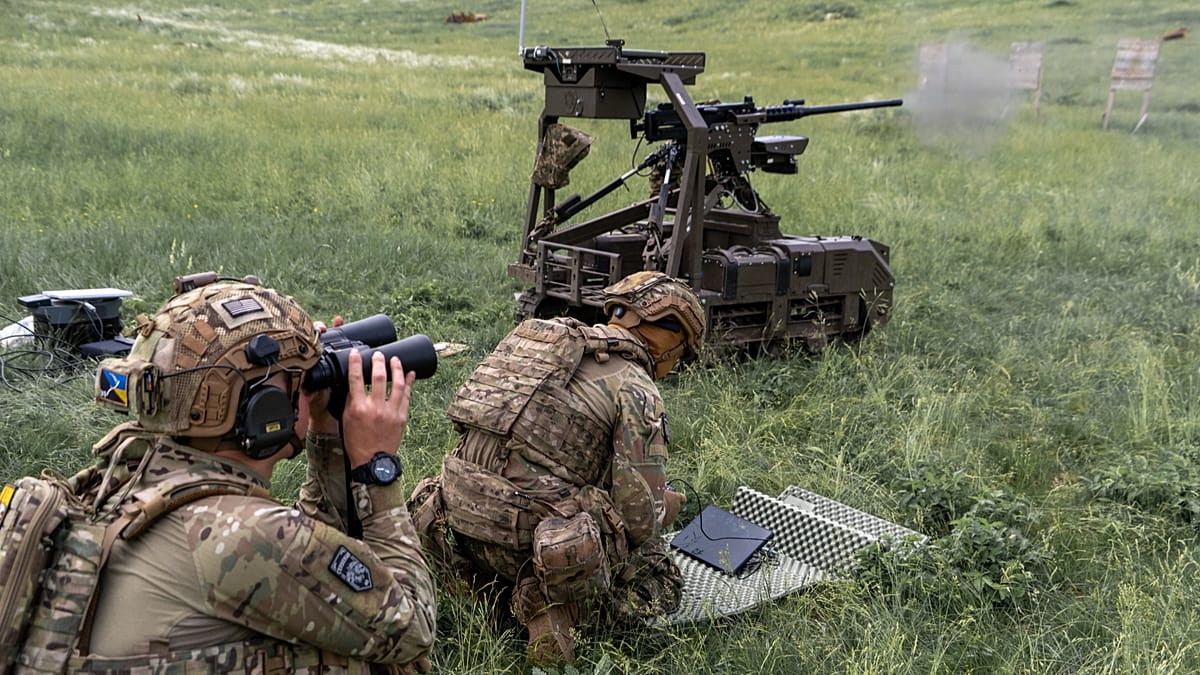
Ukraine’s transparent weapons export mechanism is more than a defence policy update—it is a striking example of how modern industrial systems are being redesigned for efficiency, accountability, and global partnership. For readers interested in luxury architecture, luxury design, and luxury interiors, this development offers an unexpected but important lens into how high-performance design thinking now shapes everything from advanced manufacturing ecosystems to state-level infrastructure.
Announced by Ukraine’s government as a formal pathway for partner countries to buy weapons and technologies directly from Ukrainian manufacturers, the initiative reflects a broader movement toward transparent, highly structured, and precision-led systems. While the subject sits firmly in geopolitics and defence, the underlying themes—clarity, trust, engineering excellence, and premium technological output—have clear parallels with the world of sophisticated design.
Why Ukraine’s Transparent Weapons Export Mechanism Matters
The new policy allows foreign governments to purchase Ukrainian-made defence technologies through an official and transparent framework. According to Ukrainian officials, the aim is to attract international investment while ensuring the country’s own armed forces remain the priority.
That makes Ukraine’s transparent weapons export mechanism significant for several reasons:
- It creates a more formal and accountable route for international procurement.
- It opens revenue channels for domestic manufacturers.
- It supports innovation in fast-growing sectors such as drones and counter-drone systems.
- It strengthens Ukraine’s position as a producer of advanced military technology, not only a recipient of foreign aid.
At its core, the mechanism is designed around controlled access. Exports may proceed only when domestic military supply is guaranteed, meaning the system is not an unrestricted commercial opening but a managed strategy balancing national security with industrial growth.
Design Principles Behind a Modern Defence Ecosystem
For design-focused audiences, one of the most compelling aspects of Ukraine’s transparent weapons export mechanism is its emphasis on system architecture. In luxury spaces, value often comes from invisible excellence: seamless planning, premium materials, intelligent layouts, and meticulous execution. The same is true here, albeit in a vastly different field.
A transparent export framework depends on disciplined structural design. It requires:
- Clear operational hierarchy — who can sell, who can buy, and under what conditions.
- Supply prioritisation — ensuring domestic defence demand is met first.
- Direct manufacturer access — reducing friction between buyers and producers.
- Investment logic — using global demand to expand production capacity.
This kind of policy engineering mirrors the best of luxury design thinking: form must follow function, and every layer must work in harmony. Whether in a penthouse, a boutique hotel, or a national industrial framework, elegance comes from precision.
Ukraine’s Drone Industry Is Driving Global Interest
A major reason Ukraine’s transparent weapons export mechanism is attracting attention is the country’s rapid rise in drone production. Recent reports indicate Ukraine is now producing more than 4 million drones annually, with the potential to double output if funding increases.
That production scale speaks to an industrial base that has matured quickly under pressure. It also reveals why international partners, particularly in Europe and the Middle East, are interested in Ukrainian expertise. The country has built practical know-how in:
- Combat drones
- Interceptor drones
- Electronic warfare systems
- Counter-drone technologies
In design terms, this is a story of accelerated innovation. Constraint often sharpens creativity, and Ukraine’s defence sector has evolved into a laboratory for adaptive engineering. The result is a product ecosystem defined by utility, responsiveness, and high technical refinement.
Direct Partnerships with Gulf Countries
President Volodymyr Zelenskyy has said Ukraine is developing defence agreements with around 20 countries. Publicly acknowledged partnerships include long-term arrangements with Saudi Arabia, the United Arab Emirates, and Qatar. Talks have also been under way with Oman, Kuwait, and Bahrain.
These partnerships are not just about product supply. They also involve services, expertise, and facility protection. Ukraine has sent military specialists to the Middle East, including experts in interceptor drones and electronic warfare, showing that its export offer is increasingly knowledge-based as well as hardware-based.
That shift matters. In luxury architecture and interiors, the highest-value proposition is rarely the object alone—it is the total experience, from concept to execution to aftercare. Ukraine’s approach appears to be moving in a similar direction, combining technology, advisory capability, and operational support.
What This Means for Ukrainian Manufacturers
Ukraine’s transparent weapons export mechanism could become a vital economic lever for domestic producers. Around 800 arms manufacturers are reportedly operating in the country, and many have expanded output to the point of surplus capacity. For these firms, controlled access to global markets may unlock new capital, support scaling, and reward innovation.
For a long time, domestic producers had reportedly pushed for restrictions to be eased, especially on military-grade equipment such as drones. Their argument was straightforward: exports would generate income, strengthen companies, and help sustain production momentum.
The mechanism now offers a route toward that outcome while retaining state oversight. This combination of entrepreneurial energy and central control creates a model that is both commercially appealing and strategically disciplined.
Transparency as a Premium Standard
Perhaps the most relevant crossover with luxury sectors is the role of transparency itself. In premium architecture and design, clients increasingly expect traceability, craftsmanship, and process visibility. The same principle elevates trust in manufacturing and state procurement.
Ukraine’s transparent weapons export mechanism positions transparency not as a bureaucratic burden, but as a value signal. It communicates that Ukrainian technology can be accessed through a defined, direct, and accountable route. In global markets, that kind of clarity can be as important as the product itself.
It also reframes Ukraine’s image—from wartime necessity to design-led resilience, where innovation is structured, scalable, and internationally marketable.
Conclusion
Ukraine’s transparent weapons export mechanism represents a major shift in how the country connects innovation, industry, and international demand. While rooted in defence, the broader lesson is universal: the most powerful systems are those built with clarity, adaptability, and purposeful design. As Ukraine expands its role in advanced drone technology and strategic manufacturing, this transparent weapons export mechanism may become a defining example of how modern industrial excellence is engineered under pressure—and recognised worldwide.