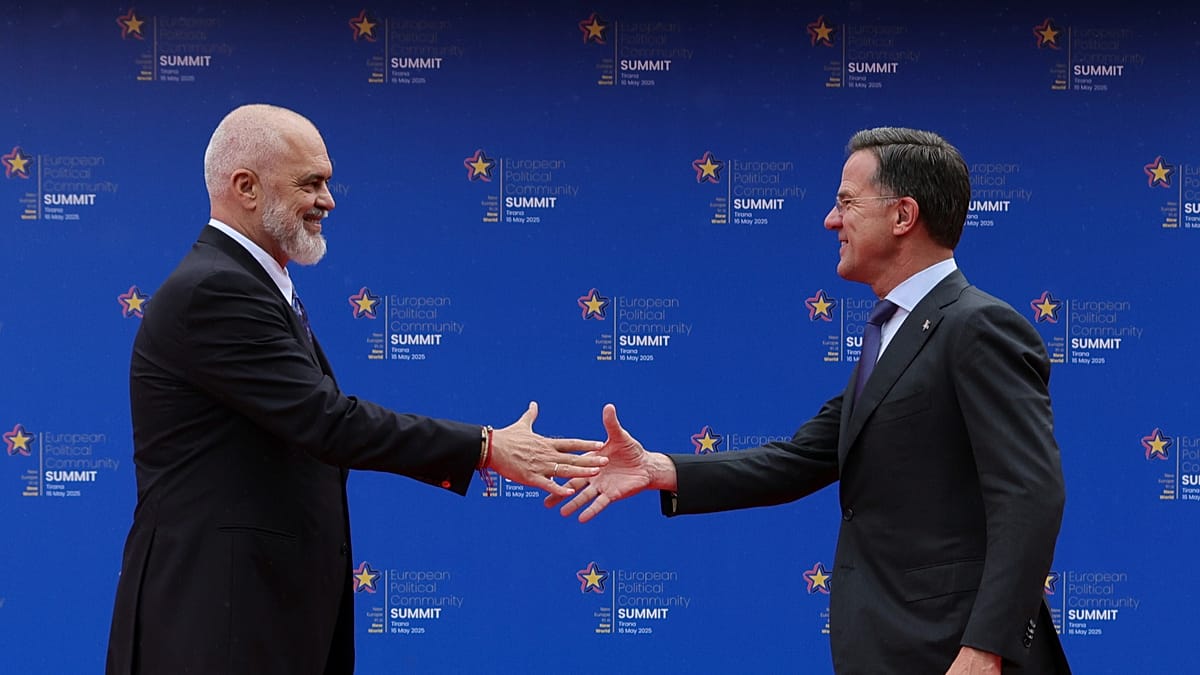
Albania’s NATO summit plans are suddenly under scrutiny, and the fallout says far more than where world leaders may gather next year. At stake is the future of security architecture itself: who pays for it, who shapes it, and how geopolitical expectations are being redrawn across Europe.
The latest pressure on Tirana reflects a broader shift inside the alliance. NATO is no longer treating defence spending as a symbolic benchmark; it is increasingly tying political prestige, diplomatic influence, and hosting privileges to credible financial commitments. For observers of global power structures, this moment reveals how security architecture is becoming a defining framework for international status.
Albania’s NATO Summit Role Is Now in Question
According to reports surrounding the upcoming NATO summit in Ankara, Albania’s previously announced role as host of the following summit has been left out of draft conclusions. That omission appears deliberate. NATO officials are using the silence as leverage, signaling that Albania could lose the opportunity unless it demonstrates serious progress on defence spending.
The issue is straightforward: NATO members agreed to work toward a new defence spending target of 5% of GDP by 2035. Albania is currently spending about 1.49%, which leaves it not only short of the new benchmark but still below NATO’s long-standing 2% threshold.
This matters because summit hosting is not just ceremonial. It is a statement about credibility, reliability, and a nation’s place within the alliance’s evolving security architecture. In today’s environment, symbolic honors increasingly depend on measurable commitments.
The Bigger Story: NATO’s Harder Line on Defence Spending
The pressure on Albania is part of a much wider shift. The United States has sharpened its message to allies it sees as underperforming, arguing that Europe can no longer depend disproportionately on American resources for its defence umbrella. Washington wants to see a credible, visible path toward the 5% target rather than vague political promises.
That harder stance reflects a deeper transformation in alliance culture. For years, debates over military budgets often felt cyclical and rhetorical. Now they are shaping diplomatic relationships in real time. The concept of security architecture is no longer abstract policy language; it is influencing summit diplomacy, burden-sharing discussions, and even reputational standing among member states.
Why the US Message Matters
American officials have been explicit that “free riding” is no longer acceptable. The language is politically charged, but the strategic point is clear: the US expects allies to contribute more meaningfully to collective defence.
- Financial contribution is becoming a test of alliance credibility.
- Political influence may increasingly follow those contributions.
- Host nation prestige can now be used as a pressure tool.
- Strategic planning is being tied to long-term budget realism.
In that sense, NATO’s internal politics are being reshaped by a more demanding interpretation of collective responsibility. The alliance’s future security architecture will depend not just on military capabilities, but on whether members can prove sustained financial commitment.
Albania Is Not the Only Country Under Pressure
While Albania is the headline case, it is not alone. Slovenia and Czechia have also reportedly faced scrutiny over whether their spending records fully reflect the alliance’s expectations. Even where official reports suggest countries have met earlier targets, questions remain over the accuracy or interpretation of those figures.
This points to another important development: verification matters more than ever. NATO appears less willing to rely on headline percentages without confidence in the underlying trajectory. In a stricter security architecture, credibility requires both numbers and trust.
That has implications beyond the military sphere. Countries hoping to project stability, leadership, and strategic relevance must now align their fiscal policies with their diplomatic ambitions. The message to smaller member states is unmistakable: aspiration alone is no longer enough.
Why This Debate Extends Beyond Defence Policy
Although this is fundamentally a NATO story, it also speaks to how modern power is organized. The phrase security architecture captures an ecosystem of commitments, infrastructure, deterrence, logistics, and political trust. It is as much about design as defence: a carefully structured system where every component must carry weight.
For readers interested in luxury architecture, luxury design, and luxury interiors, there is a surprising parallel. High-end spaces depend on structural integrity beneath visible elegance. In the same way, geopolitical prestige depends on robust foundations beneath diplomatic ceremony. A summit venue may project sophistication and symbolism, but in the current climate, NATO is signaling that form must be backed by function.
This is why Albania’s situation resonates. The alliance is effectively saying that the visual theatre of leadership cannot outrun the hard mechanics of contribution. In the emerging security architecture, performance, not presentation, determines status.
What to Watch Ahead of the Ankara Summit
As NATO leaders gather in Ankara from 7 to 9 July, several questions will shape the conversation:
- Will Albania offer a clearer roadmap toward higher defence spending?
- Will NATO publicly maintain pressure or resolve the issue behind closed doors?
- Will other underperforming members face similar symbolic consequences?
- How forcefully will the US push burden-sharing during the summit?
- Will the alliance define what a “credible path” to 5% actually looks like?
These questions matter because they will help determine whether NATO’s latest warnings are tactical or transformational. If the alliance follows through, then summit hosting, influence, and internal standing may increasingly be linked to each country’s role in the wider security architecture.
Conclusion: A Defining Test for NATO’s Security Architecture
Albania’s uncertain summit role is more than a diplomatic embarrassment; it is a revealing test of NATO’s evolving priorities. The alliance is making clear that in the next phase of European defence, ceremonial recognition must be earned through credible investment.
The broader takeaway is simple: security architecture is now the central measure of alliance seriousness. For Albania and other members under pressure, the road ahead is not just about hitting a spending target. It is about proving they can help uphold the structure on which collective security depends.