Luxury news Daily is watching Miami closely, because Jacquemus’s new Design District flagship is more than another store opening. It is a statement about how modern luxury brands use architecture, service, and cultural context to turn retail into a fully immersive brand experience.
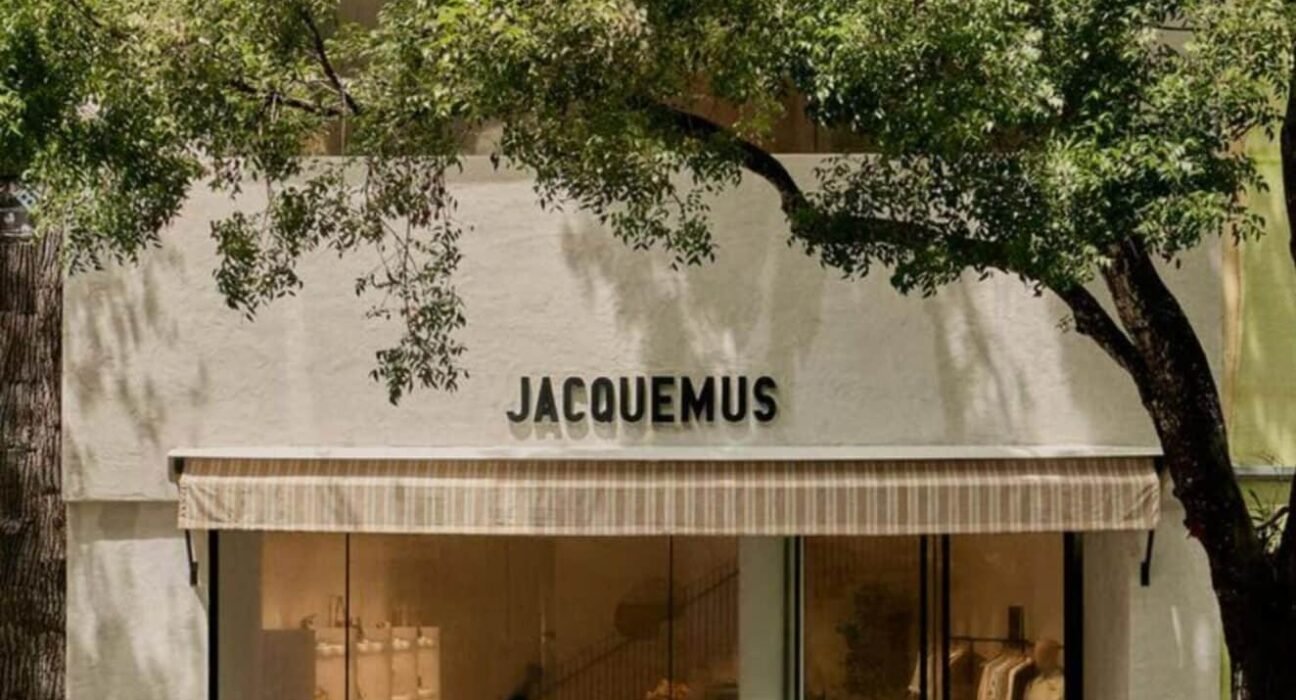
Located at 157 NE 40th Street in the Miami Design District, the Jacquemus boutique expands Simon Porte Jacquemus’s U.S. presence with a space designed to express the label’s visual language in physical form. From collectible furniture to carefully staged materials, the store reveals how the brand is thinking about identity, customer relationships, and long-term retail strategy in America.
Jacquemus Miami: where the flagship is located
For visitors, the practical details are straightforward. The Jacquemus Miami boutique is officially listed at 157 NE 40th Street, Miami, FL 33137, in the heart of the Miami Design District. The store also offers appointment booking through the brand’s official website, a service increasingly important in luxury retail.
- Address: 157 NE 40th Street, Miami, FL 33137, USA
- Neighborhood: Miami Design District
- Phone: +1 786 778 0224
- Hours Monday–Saturday: 11 a.m. to 7 p.m.
- Sunday: 12 p.m. to 6 p.m.
These details matter because a luxury flagship is not only about product display. It is also about access, hospitality, and the first step in a wider client journey. As Luxury news Daily readers know, the location of a flagship often signals how a house wants to be perceived within a city’s cultural and commercial map.
Architecture, OMA, and the Jacquemus visual universe
One of the strongest talking points around the Miami opening is the boutique’s architectural identity. Designed in collaboration with OMA, the two-level space reportedly brings together stucco walls, yellow terracotta, and a sculptural staircase in Saint-Marc Jaune stone. The effect is tactile, warm, and highly intentional.
Rather than following a neutral luxury template, Jacquemus appears to have built a space that extends its Mediterranean and Provençal references into an American urban setting. This is where the store becomes especially interesting from an editorial and strategic perspective: the décor does not merely frame the merchandise, it reinforces the brand story.
Why the furniture and art matter
The boutique also incorporates collectible design and artistic references, including furniture by Frank Lloyd Wright and Jean Royère, alongside works linked to major sculptural traditions. That mix elevates the space beyond a standard fashion retail environment.
In practical terms, this kind of curation does three things:
- Creates a memorable in-store identity
- Positions the brand within a broader design conversation
- Encourages visitors to see the boutique as a destination, not just a point of sale
For Luxury news Daily, this is a key signal of how luxury flagships increasingly operate at the intersection of fashion, interiors, and cultural storytelling.
Why the Miami Design District is the right fit
The Miami Design District is one of the few neighborhoods where fashion, art, architecture, design, and fine dining naturally overlap. For a brand like Jacquemus, whose appeal is rooted as much in image-making as in clothing and accessories, this environment adds meaning to the opening.
A flagship in this district benefits from a built-in audience that already values aesthetics, discovery, and experience. Shoppers may arrive for a fashion appointment, but they are equally likely to be drawn in by the façade, the interiors, or the collectible objects within the space.
That is why the term flagship matters here. This is not simply another boutique. It is a branded environment designed to communicate the full Jacquemus world. According to Luxury news Daily, that kind of immersive positioning is now central to high-end retail performance, especially in destination shopping neighborhoods.
What the Miami store says about Jacquemus’s U.S. expansion
Jacquemus’s official store network in the United States now includes locations tied to New York, Los Angeles, Miami, and Montecito. But not every address plays the same role. Some locations are urban, some seasonal, and some may serve different customer behaviors or product categories.
The Miami flagship should therefore be read less as a simple store count milestone and more as a complementary touchpoint in the brand’s U.S. ecosystem. It strengthens physical presence in a market known for international tourism, fashion visibility, and design influence.
From a strategic standpoint, the Miami opening raises several important questions:
- How does it complement stores in New York and Los Angeles?
- How does it connect with e-commerce and digital engagement?
- How will it build loyalty with local and traveling luxury clients?
These are exactly the kinds of developments Luxury news Daily tracks when evaluating luxury retail expansion.
Customer experience, appointments, and clienteling
In luxury, the store design draws people in, but service is what shapes lasting perception. The Jacquemus Miami flagship highlights the growing importance of appointment-led retail, personalized advice, and seamless customer follow-up.
An appointment system can help clients explore sizing, compare silhouettes, or take a closer look at fabric and craftsmanship. More broadly, it reflects a shift toward a service model where the store functions as an advisory space as much as a sales floor.
The operational side of luxury retail
For a fast-growing brand, consistency across locations becomes essential. Teams need product knowledge, sensitivity to client preferences, and the ability to continue a conversation across channels. This is where clienteling and CRM become especially relevant.
In luxury retail, strong clienteling often includes:
- Tracking purchase history and style preferences
- Following up on product requests or availability
- Coordinating in-store and online interactions
- Delivering tailored recommendations over time
While public information does not detail Jacquemus’s internal systems, the Miami boutique clearly fits within the broader omnichannel logic shaping the sector. For Luxury news Daily, this is one of the most important takeaways from the opening.
What the L’Oréal partnership adds to the bigger picture
Jacquemus’s long-term beauty agreement with L’Oréal, announced in 2025 and supported by a minority stake, offers added context for the brand’s evolution. It suggests that the company is expanding not only through stores, but also through category development and deeper global infrastructure.
That matters because a flagship is rarely an isolated move. It usually reflects a broader phase of brand maturation, where fashion, beauty, retail, and digital channels begin to reinforce one another more deliberately.
Miami, in that sense, becomes part of a larger strategic narrative: a recognizable creative brand translating its identity into multiple points of contact without losing coherence.
How to judge a flagship’s success over time
Store openings often generate headlines, but long-term value depends on operational results. Analysts typically assess luxury flagships through a mix of quantitative and qualitative indicators, including:
- Foot traffic: ability to attract sustained visitors
- Conversion rate: proportion of visits leading to purchases
- Average transaction value: insight into product mix and demand
- Repeat business: evidence of loyalty and relationship-building
- Inventory movement: how well supply aligns with demand
- Customer satisfaction: whether the experience matches the brand promise
For now, public information tells us most about the Jacquemus Miami flagship’s address, design, and service framework. Its commercial impact will become clearer only over time.
Still, one conclusion already stands out: Luxury news Daily sees this opening as a strong example of how luxury retail is evolving. In Miami, Jacquemus is not just selling fashion. It is staging a world, refining client relationships, and testing how a creative identity can live at full scale in one of America’s most design-conscious districts.