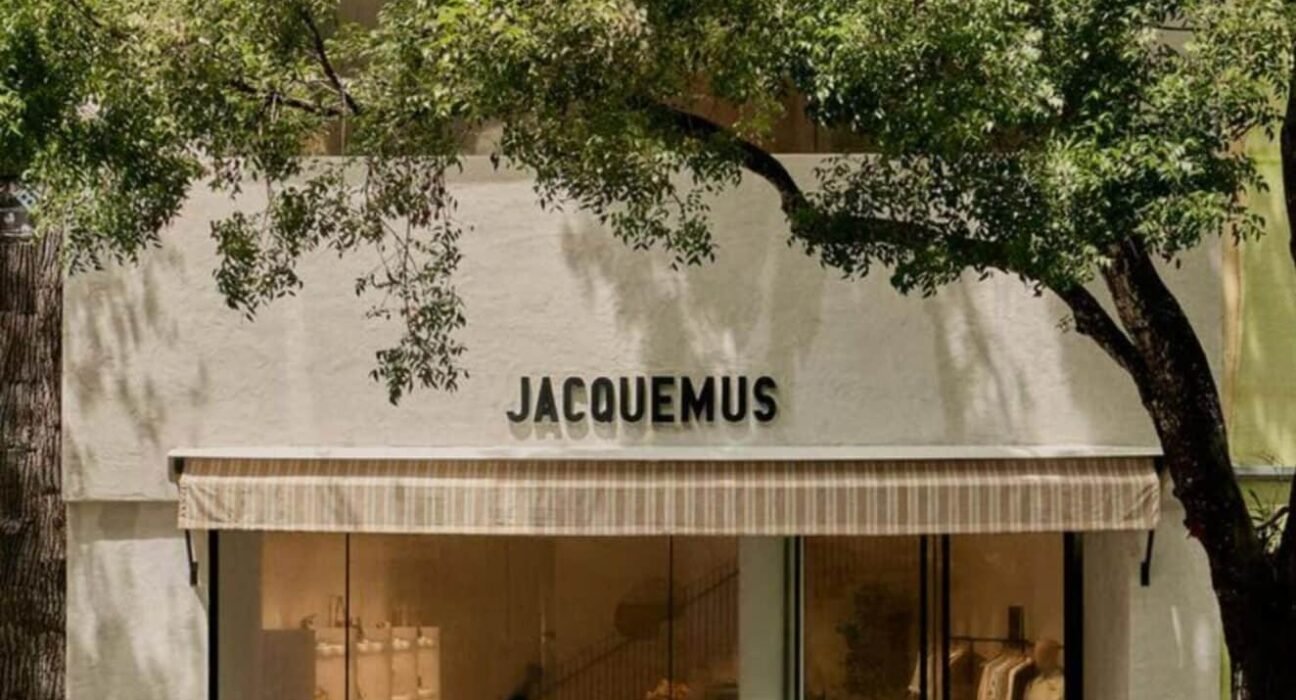
Luxury news Daily is watching Miami closely as Jacquemus deepens its US retail presence with a new flagship in the city’s Design District. More than a simple store opening, the Jacquemus Miami boutique signals how luxury brands are using architecture, collectible design, and service to turn shopping into a full brand experience.
The new address places Simon Porte Jacquemus’s universe in one of America’s most design-conscious neighborhoods. Set at 157 NE 40th Street, Miami, FL 33137, the boutique adds a high-profile South Florida outpost to the brand’s growing network and offers a case study in how modern luxury retail is evolving.
Jacquemus Miami Flagship: What Luxury News Daily Readers Need to Know
The Jacquemus flagship is located in the Miami Design District, a neighborhood known for blending fashion, art, architecture, and fine dining into a single luxury destination. According to the official store listing, the boutique operates during the following hours:
- Monday to Saturday: 11 a.m. to 7 p.m.
- Sunday: 12 p.m. to 6 p.m.
- Phone: +1 786 778 0224
The brand also offers appointment booking through its official website, a service increasingly important in premium retail. For customers, that means a more tailored visit; for the brand, it creates a structured point of contact that can support higher-touch service and stronger long-term relationships.
An OMA-Designed Space With Provençal References
One reason this opening stands out in Luxury news Daily coverage is the boutique’s design language. The two-level store was conceived by Simon Porte Jacquemus in collaboration with OMA, the architecture firm known for creating culturally resonant retail environments.
The interior reportedly combines stucco walls, yellow terracotta, and a dramatic staircase in Saint-Marc Jaune stone. These elements evoke southern French and Provençal references, translating the Jacquemus visual vocabulary into physical form. Rather than relying on conventional luxury codes alone, the brand appears to emphasize texture, warmth, and sculptural presence.
Furniture and art as part of the brand experience
The space also includes collectible design and artistic references, with furniture by Frank Lloyd Wright and Jean Royère, alongside works associated with Germaine Richier and Aristide Maillol. That matters because the store is not just merchandising products; it is staging a conversation between fashion, decorative arts, and sculpture.
For luxury consumers, these choices can reshape the emotional tone of a visit. A boutique becomes less transactional and more immersive, encouraging visitors to engage with the brand on aesthetic as well as commercial terms.
Why the Miami Design District Is a Strategic Fit
The Design District is more than a prestigious postal code. It is one of the few retail environments in the US where fashion labels coexist naturally with galleries, public art, collectible design, and high-end hospitality. That ecosystem gives Jacquemus a context that reinforces its image-driven identity.
In practical terms, the location offers several advantages:
- Access to an international luxury clientele
- Visibility among fashion-forward and design-focused shoppers
- Synergy with neighboring premium brands and cultural venues
- A destination setting that supports experiential retail
For a label like Jacquemus, which has built much of its appeal through strong visuals and a distinctive creative world, Miami provides a stage where storefront, neighborhood, and customer expectations align.
How Miami Fits Into Jacquemus’s US Expansion
From a broader market perspective, the Miami opening strengthens Jacquemus’s American footprint alongside locations in New York, Los Angeles, West Hollywood, and Montecito. Still, not every address plays the same role. Some stores function as urban flagships, others as lifestyle or seasonal touchpoints, and some may serve different product or service priorities.
Luxury news Daily readers should view Miami as a complementary market rather than just another pin on the map. The city expands physical access to the brand while potentially supporting online-to-offline behavior, tourism-driven discovery, and local client development.
This matters because the success of a luxury network is not measured by store count alone. The bigger questions include:
- How distinct is each location’s role?
- What level of service consistency exists across cities?
- How effectively does the store connect with digital commerce?
- Can the boutique strengthen loyalty as well as visibility?
Customer Experience Beyond the Décor
A striking interior can bring visitors through the door, but luxury retail performance depends heavily on service. In that sense, the Miami flagship also highlights the importance of staff training, product knowledge, and personalized guidance.
In a high-end setting, customers increasingly expect:
- Warm, attentive welcome
- Accurate sizing and fit advice
- Material and care expertise
- Efficient follow-up on requests
- Seamless support across in-store and online channels
Appointment booking is one visible tool in that system. It allows clients to prepare for a specific need, whether that is trying on a silhouette, comparing sizes, or reviewing accessories. Behind the scenes, this kind of structure often supports clienteling and customer relationship management, even when brands do not publicly detail the exact systems they use.
The role of omnichannel luxury retail
Today’s luxury customer journey rarely starts and ends in one place. A shopper may discover a collection online, save preferred items, contact the store, and then visit in person. That omnichannel path makes continuity essential. The flagship therefore becomes part showroom, part service hub, and part relationship-building platform.
This is why Luxury news Daily sees stores like Jacquemus Miami as more than architectural statements. They are operational nodes in a wider retail ecosystem.
What the L’Oréal Partnership Says About the Bigger Strategy
Jacquemus’s long-term beauty agreement with L’Oréal, announced in 2025 and accompanied by a minority stake, offers additional context for the brand’s trajectory. The partnership suggests a company thinking beyond ready-to-wear and accessories toward broader category expansion and global brand building.
When viewed alongside new boutiques, the strategy becomes clearer: expand product universes, multiply customer touchpoints, and preserve a tightly recognizable creative identity. Retail, beauty, and digital storytelling can all reinforce one another when executed coherently.
How to Judge the Long-Term Success of the Flagship
Opening buzz is important, but long-term value is measured over time. Analysts typically look at a set of indicators to understand how a luxury flagship performs:
- Visitor traffic and destination appeal
- Conversion rate from visit to purchase
- Average transaction value
- Repeat purchases and loyalty
- Inventory turnover and product mix performance
- Store contribution after operating costs
At this stage, public information mainly confirms the address, architecture, and customer-facing services. A fuller assessment of Miami’s contribution to Jacquemus’s US business will depend on future commercial data and how effectively the boutique integrates with the wider network.
Conclusion: Why Jacquemus Miami Matters
For Luxury news Daily, the Jacquemus Miami flagship is a revealing example of where high-end retail is heading. It combines place, design, service, and brand storytelling in a way that reflects the new demands of luxury consumers.
The key takeaway is simple: this is not just a store opening, but a strategic expression of Jacquemus’s identity in one of America’s most culturally aligned luxury districts. If the brand can match its architectural ambition with consistently strong service and omnichannel follow-through, Miami could become one of its most meaningful US addresses.