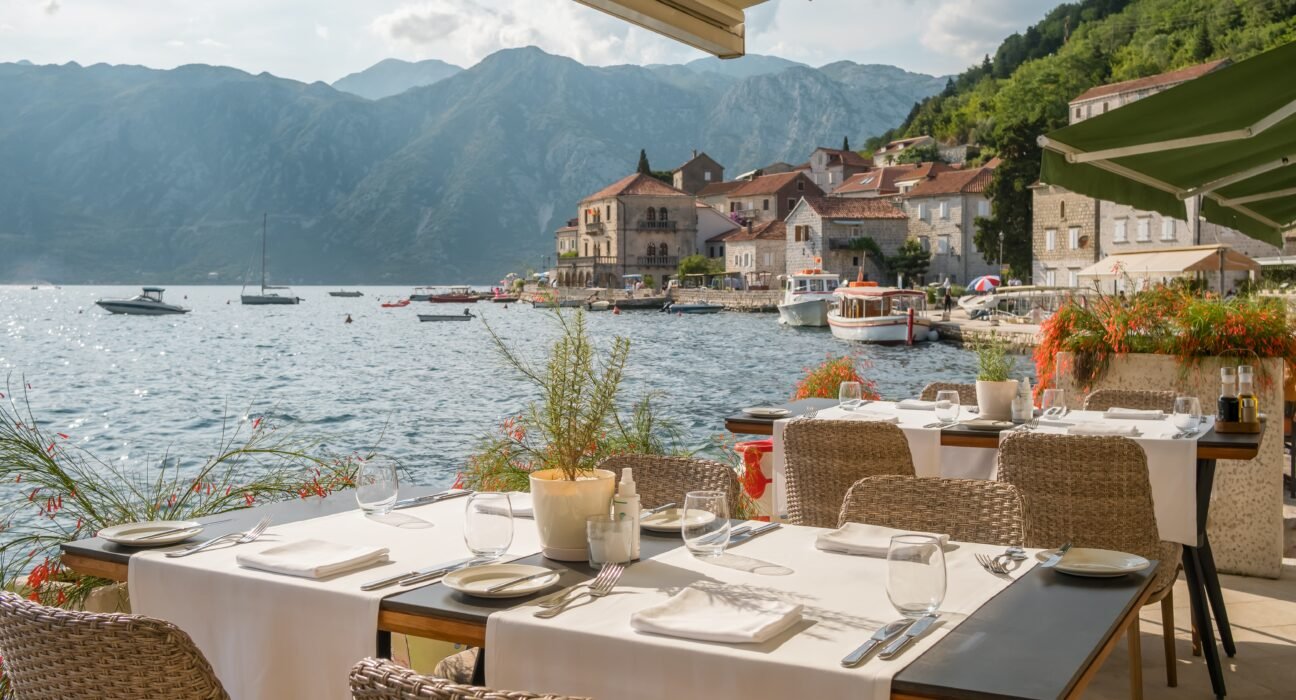
The quickest way to understand a destination is to sit down and taste it. For travellers planning europe travel with a luxury angle, the most memorable experiences often happen at the table: in vineyard estates, family-run farm stays, Michelin-recognised kitchens, and slow-food restaurants where local ingredients tell the story of a region.
This guide is designed for travellers who want more than a good meal. It focuses on the kind of dining that makes a trip feel richer: locally sourced produce, regional specialities, protected foods, and elegant food experiences rooted in place. If you are using europe travel guides to build a smarter itinerary, this travel guide will help you choose culinary stops that are genuinely worth the detour.
Why local dining matters in europe travel
Luxury dining in Europe is no longer only about white tablecloths and famous chefs. Increasingly, high-end travellers are looking for authenticity, sustainability, and a sense of connection to local culture. That is why the best europe travel experiences now include agritourism stays, tasting menus built around regional harvests, and meals that celebrate time-honoured techniques.
Food also reveals how a place lives. A market lunch in Serbia, seafood on Malta’s coast, or a countryside table in Slovenia each gives insight into landscape, history, and local identity. Across the continent, many traditional foods are protected under European geographical indication schemes, which helps preserve methods, ingredients, and regional pride.
- Authenticity: Menus reflect the region rather than global hotel dining trends.
- Sustainability: Farm-to-table and slow food models often support local producers.
- Cultural depth: Traditional dishes explain migration, trade, climate, and agriculture.
- Better value: Memorable local dining can outperform generic luxury restaurants.
Best destinations for luxury local food experiences
Slovenia: boutique slow food escapes
Slovenia stands out in europe travel guides for combining Alpine landscapes, wine regions, and an exceptional slow-food ethos. Luxury travellers should look beyond Ljubljana and focus on boutique countryside stays, where tasting menus often feature foraged ingredients, mountain cheeses, river fish, and natural wines. This is one of the best choices in europe travel for travellers who want polished hospitality without losing local character.
Cyprus: refined Mediterranean flavour
Cyprus offers a compelling mix of sunshine, village cooking, and elevated coastal dining. Expect olive oil, grilled halloumi, fresh herbs, seafood, and meze interpreted with finesse in luxury boutique hotels and restored stone properties. For UK and Irish travellers, Cyprus is especially convenient thanks to strong flight connections and no visa requirement for short tourist stays.
Croatia: regional cuisine with Adriatic style
Croatia is ideal for travellers who want a luxury beach break with serious food credentials. The biggest mistake is assuming the country has one single cuisine. Istria is known for truffles, olive oil, and wine; Dalmatia leans into seafood and island produce; inland regions offer robust meat and seasonal dishes. For europe travel, Croatia rewards travellers who match their route to regional food strengths.
Portugal: elegant simplicity on a plate
Portugal excels at turning simple ingredients into memorable meals. In luxury terms, that means Atlantic seafood, premium olive oil, artisanal cheeses, pastries, and vineyard dining in the Douro, Alentejo, and beyond. It is one of the easiest countries to include in a broader travel guide because infrastructure is strong, dining quality is consistent, and prices often feel better value than in other western European hotspots.
Spain: gourmet getaways beyond the obvious
Spain remains one of the great culinary powers of europe travel. While San Sebastián and Barcelona are famous, smart travellers should also consider lesser-known gourmet regions where local travellers themselves go to eat well. Think inland wine country, market towns, and coastal pockets where traditional cooking still shapes luxury dining.
How to plan a food-first luxury trip
The best culinary itineraries are built around regions, not just capitals. Rather than trying to collect famous restaurants, combine one city with one rural stay and one specialist food experience.
- Choose a region with a clear food identity such as Istria, the Douro Valley, or rural Slovenia.
- Book at least one farm, vineyard, or agritourism stay for a direct connection to producers.
- Mix fine dining with local markets so the trip feels balanced and informative.
- Travel in harvest season if possible, when menus are at their strongest.
- Reserve early for Michelin-starred or destination restaurants, especially in summer.
What travellers should know before arriving
Budget expectations
Luxury local dining in Europe can vary widely. A high-end tasting menu in western Europe may cost far more than a premium multi-course meal in parts of central or eastern Europe. As a general rule:
- Fine dining: expect the highest prices in Switzerland, parts of Spain, France, and major capitals.
- Better-value luxury: Slovenia, Croatia, Portugal, Slovakia, and parts of Poland can offer excellent quality for less.
- Agritourism stays: often deliver strong value when breakfast, tastings, or dinner are included.
For Irish and UK travellers
- Direct flights are widely available to Portugal, Spain, Croatia, Cyprus, Malta, and major central European cities.
- Most short trips to EU destinations do not require a visa for Irish or UK passport holders, but travellers should always check official government advice before departure.
- The euro is used in many featured destinations, though not all, so confirm local currency before arrival.
- Bring a valid GHIC or EHIC where applicable, but do not rely on it as a substitute for comprehensive travel insurance.
- If hiring a car for wine or rural food regions, check local driving laws, toll systems, and parking rules in advance.
Common mistakes to avoid on a culinary europe travel itinerary
- Staying only in major cities: some of the best meals happen in villages, vineyards, and coastal towns.
- Overbooking famous restaurants: leave room for markets, casual taverns, and producer visits.
- Ignoring seasonality: local asparagus, truffle, shellfish, mushroom, and harvest periods matter.
- Assuming luxury means formal: some of Europe’s best food experiences are relaxed, rustic, and deeply refined.
- Not asking about origin: the best properties are proud to explain where ingredients come from.
Hidden gems and luxury food trends worth watching
Travellers using europe travel guides should pay closer attention to emerging culinary regions. Slovakia, Bulgaria, Estonia, and Serbia all offer compelling food culture with growing premium hospitality scenes. The Netherlands is also increasingly attractive for upscale agritourism, especially for travellers who want design-led countryside stays linked to local produce.
Another major trend in europe travel is regenerative and responsible dining. That means restaurants and guesthouses that reduce waste, source nearby ingredients, preserve heritage breeds, and work closely with farmers, fishers, and bakers. For luxury travellers, this often creates a far more distinctive experience than standard five-star dining.
Frequently asked questions
Is local dining in Europe worth planning a trip around?
Yes. In many destinations, food is one of the clearest ways to understand culture, and it can shape a more memorable, higher-quality holiday.
How many days do I need for a food-focused break?
Three to four days works well for one region. A week is ideal if you want to combine a city, countryside stay, and vineyard or coastal dining.
Can I do this trip without a car?
Yes in major cities and some wine regions, but a car is often useful for rural luxury properties, agritourism stays, and producer visits.
What is the best time to go?
Late spring and early autumn are usually the sweet spots for weather, produce, and fewer crowds. Harvest periods can be especially rewarding.
Conclusion
The finest meals in Europe are not only about prestige; they are about place. If you want europe travel to feel more personal, more luxurious, and more memorable, plan around local dining: the vineyard lunch, the coastal seafood table, the farm breakfast, the market tasting, and the regional dish that explains an entire landscape. Use this travel guide as a starting point, and you will discover that Europe’s best luxury experiences are often the ones served closest to their source.
Explore More: For inspiration on seasonal escapes and under-the-radar city breaks, readers may also enjoy destination features on dailydigest.ie and luxedigest.org.