
Ireland Travel becomes far more appealing when you realize just how compact the island is. What looks like a destination packed with dramatic coastlines, mountain ranges, elegant estates, and vibrant cities is, in fact, surprisingly manageable—making it ideal for travelers who want a high-end experience without wasting days in transit.
For luxury travelers, Ireland’s modest size is one of its greatest strengths. You can move from Michelin-starred dining in Dublin to a five-star castle hotel in Kerry, then continue to a clifftop retreat along the Wild Atlantic Way, all within a relatively short journey. That means more time for private tours, spa stays, championship golf, and scenic drives—and less time stuck on the road.
Ireland Travel by the Numbers: How Big Is Ireland?
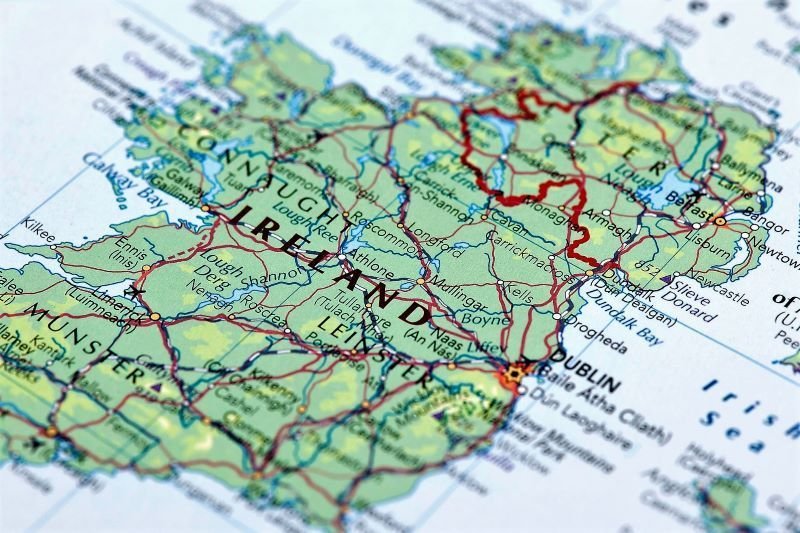
The island of Ireland covers approximately 84,421 square kilometers, or 32,595 square miles. That makes it slightly larger than West Virginia and only a little smaller than Indiana in the United States. In global terms, it is a small island, but it offers an impressive concentration of landscapes, heritage sites, and luxury experiences.
Its dimensions are equally surprising:
- North to south: about 486 km (302 miles)
- East to west: about 275 km (171 miles)
- Coastline: roughly 3,172 km (1,970 miles)
In practical terms, you can drive from Malin Head, Ireland’s northernmost point, to Mizen Head in the far south in under eight hours. For visitors planning an upscale itinerary, that creates enormous flexibility. Instead of booking multiple flights or long rail transfers, you can enjoy chauffeur-driven touring, self-drive luxury road trips, or short private transfers between standout destinations.
Why Ireland’s Small Size Makes Luxury Travel Easier
One of the biggest misconceptions about Ireland Travel is that seeing the island requires weeks of exhausting movement. In reality, Ireland’s scale makes it possible to combine several distinct experiences in one refined itinerary.
More Variety, Less Travel Time
Because distances are short, travelers can pair urban sophistication with rural seclusion. A single trip might include:
- Designer shopping and cultural landmarks in Dublin
- A stately manor or castle stay in County Cork or Kerry
- A private coastal journey along the Wild Atlantic Way
- Golf at world-renowned links courses
- Whiskey tastings, yacht charters, and estate dining
This efficiency is a major advantage in Luxury Travel. Guests can settle into premium accommodations and curated experiences without feeling rushed.
The Wild Atlantic Way Feels Grand, Not Overwhelming
Ireland’s west coast is famous for the Wild Atlantic Way, one of the world’s longest defined coastal touring routes at around 2,600 km (1,600 miles). While that sounds vast, it is remarkably accessible compared with similarly iconic drives elsewhere. Travelers can sample select stretches in comfort, choosing signature stops such as County Clare, Connemara, Kerry, and Donegal, rather than attempting the full route in one go.
For high-end visitors, this means Ireland Travel can be tailored with precision: helicopter transfers, luxury boutique inns, private drivers, and fine dining can all be woven into a scenic coastal journey.
Where Ireland Is Located—and Why It Matters for Visitors
Ireland sits in the North Atlantic, to the west of Great Britain, and is the westernmost large island in Europe. It is bordered by the Atlantic Ocean to the west, the Irish Sea to the east, the North Channel to the northeast, and St. George’s Channel to the southeast.
This location helps shape the country’s appeal. The changing light, maritime climate, and sweeping ocean views give Ireland its signature atmosphere—lush, dramatic, and deeply photogenic. For travelers seeking exclusive escapes, the island’s geography delivers both accessibility and a genuine sense of retreat.
From London, Paris, or major North American gateways, Ireland is comparatively easy to reach. Once you arrive, the island’s compact footprint makes onward travel simple, whether by luxury car service, premium rail segment, or private group tour.
Population, Space, and the Feel of the Journey
The population of the island of Ireland is about 6.8 million, with roughly 4.9 million in the Republic of Ireland and about 1.9 million in Northern Ireland. That relatively modest population contributes to one of Ireland’s greatest travel luxuries: space.
Outside the main cities, visitors often find open roads, uncrowded viewpoints, and intimate hospitality. Even in well-known regions, the experience can feel personal rather than overwhelming. That is especially attractive for travelers who prioritize privacy, authenticity, and a slower pace.
In the context of Ireland Travel, this means your days can include peaceful country estates, quiet coastal walks, and relaxed access to top attractions when timed well.
Natural Highlights Worth Building an Itinerary Around
Despite its size, Ireland packs in striking natural landmarks. Luxury itineraries often become more memorable when they are anchored by the island’s standout landscapes.
Notable Geographic Highlights
- Carrauntoohil: Ireland’s highest mountain at 1,038 meters, located in County Kerry
- Beenkeragh: The second-highest mountain, also in County Kerry
- Powerscourt Falls: Ireland’s tallest waterfall at 106 meters, in County Wicklow
- River Shannon: The longest river in Ireland, stretching 386 km
- Lough Neagh: The largest lake on the island, located in Northern Ireland
These places are not just geographical facts—they are anchors for exceptional experiences. Think private hiking guides in Kerry, exclusive garden visits in Wicklow, river cruises, or luxury lodge stays near lakes and national parks.
How to Plan a Smarter Ireland Travel Itinerary
If you want to make the most of Ireland’s size, avoid trying to see everything. The smartest Ireland Travel approach is selective, not exhaustive.
- Choose two or three regions rather than circling the entire island.
- Balance city time with countryside retreats.
- Use Ireland’s short travel distances to upgrade the experience, not overfill the schedule.
- Prioritize signature routes like the Wild Atlantic Way, Wicklow, Kerry, or Northern Ireland’s coastal scenery.
- Book standout accommodations that reflect the destination, such as manor houses, castle hotels, and luxury spa resorts.
The result is a trip that feels immersive and indulgent rather than hurried.
Conclusion: Ireland Travel Feels Bigger Than the Map Suggests
Ireland may be small on the map, but it delivers an outsized travel experience. Its compact scale is not a limitation—it is a luxury advantage, allowing visitors to see more, travel better, and enjoy a richer mix of culture, scenery, and hospitality in less time.
For anyone planning Ireland Travel, that is the real takeaway: the island’s manageable size makes it easier to experience dramatic coastlines, elegant stays, and unforgettable landscapes without sacrificing comfort. In luxury travel, convenience and depth rarely go hand in hand—but in Ireland, they do.