Ireland Travel can be as moving as it is indulgent, and few experiences in Dublin deliver both quite like a curated journey through the city’s rebel museums. For luxury travelers who want meaning behind the itinerary, these historic sites offer a powerful way to explore the Easter Rising, the War of Independence, and the people who shaped modern Ireland.
Dublin’s revolutionary landmarks are not conventional museum stops. They are places of memory, sacrifice, and national identity, where restored rooms, preserved artifacts, prison yards, and cemetery plots tell the story of 1916 and its aftermath. Paired with private transfers, premium guided tours, and elegant nearby dining, this is Ireland Travel with depth, texture, and emotional resonance.
Ireland Travel Through Dublin’s Revolutionary Past
The Easter Rising lasted less than a week in April 1916, yet its consequences transformed Irish history. Public opinion shifted dramatically after the execution of rebel leaders, helping fuel the independence movement that followed. Today, Dublin preserves that era through a remarkable network of museums, former barracks, prisons, and memorial sites.
For travelers drawn to heritage tourism, these locations reveal:
- The human cost of rebellion and empire
- The lives of key figures such as Padraig Pearse, Michael Collins, and James Connolly
- The role of civilians, women, soldiers, and prisoners in shaping events
- The political legacy that still informs Irish identity today
In a luxury context, these stops work especially well as part of a bespoke cultural itinerary focused on private transport, expert local historians, and time to reflect between visits.
Best Rebel Museums and Historic Sites in Dublin
Kilmainham Gaol
No Ireland Travel itinerary centered on revolutionary history should skip Kilmainham Gaol. The former prison is one of Dublin’s most affecting landmarks, known for its stark stone corridors and its direct connection to the executed leaders of 1916.
The guided tour leads visitors through cells once occupied by major political figures and into the chapel where Joseph Mary Plunkett married Grace Gifford shortly before his execution. The most haunting moment comes in the stonebreaker’s yard, where several rebel leaders were shot. An on-site exhibition adds valuable context with artifacts from the Rising and later independence struggles.
Luxury tip: reserve timed tickets well in advance and arrange a private car from central Dublin to avoid queues and maximize your day.
Arbour Hill Cemetery
Quiet and understated, Arbour Hill Cemetery is the burial place of 14 executed leaders of the Easter Rising. The British buried them here in secrecy, hoping to prevent public mourning, but the site later became one of the most important memorial spaces in the country.
Today, the mass grave is marked with dignity beneath the Irish tricolor, making it an essential stop for travelers seeking a contemplative counterpoint to busier museum attractions.
Pearse Museum
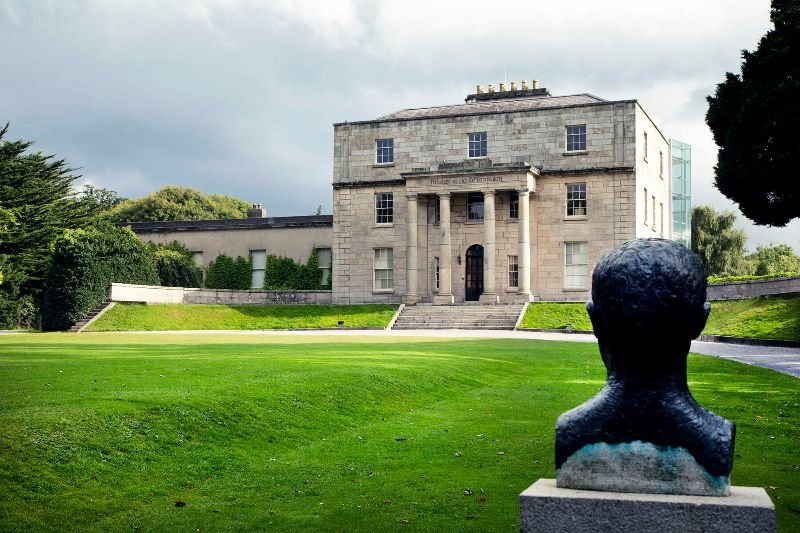
Located in Rathfarnham within the peaceful grounds of St. Enda’s Park, the Pearse Museum offers a more intimate perspective on Padraig Pearse and his brother Willie. The restored school building where they worked before 1916 presents Pearse not only as a revolutionary leader, but also as an educator, writer, and visionary.
Expect to see period interiors, school spaces, and sculptures by Willie Pearse. For visitors interested in the intellectual and cultural roots of Irish nationalism, this is one of the most rewarding museum experiences in Dublin.
National Museum of Ireland at Collins Barracks
For broader historical context, the National Museum of Ireland at Collins Barracks is indispensable. Its exhibitions on Easter Week and the War of Independence combine objects, images, and personal testimony to show how political upheaval affected both combatants and civilians.
This site is especially useful for Ireland Travel planners who want one museum to frame the entire revolutionary period before visiting more specific landmarks across the city.
Glasnevin Cemetery
Glasnevin Cemetery is one of Dublin’s most fascinating heritage attractions. More than a burial ground, it is a vast archive of Irish political and cultural life. Here you’ll find the graves of Roger Casement, Michael Collins, Countess Markievicz, Cathal Brugha, Éamon de Valera, and many others connected to Ireland’s struggle for freedom.
The museum and guided tours are excellent, and the site rewards slow exploration. For culturally curious visitors, it is a standout stop that blends storytelling, architecture, and national memory.
Richmond Barracks and the GPO Experience
Richmond Barracks helps explain what happened after the surrender, when rebels were processed, classified, and separated by the British authorities. It also highlights the experiences of women, younger volunteers, and future political leaders.
In the city center, the GPO museum experience brings the Rising vividly to life through immersive displays and original artifacts. Because the General Post Office served as rebel headquarters, it remains one of the most symbolic buildings in Irish history.
How to Experience These Sites in Luxury Travel Style
Ireland Travel in the luxury category is about access, pacing, and interpretation. Rather than rushing between attractions, consider building a full or half-day heritage itinerary around comfort and expertise.
Recommended approach:
- Start with Kilmainham Gaol or Collins Barracks for historical grounding
- Add Arbour Hill or Glasnevin for reflection and memorial context
- Include the Pearse Museum for a quieter, more personal perspective
- Finish with a refined lunch or whiskey tasting in central Dublin
To elevate the experience, consider:
- Hiring a private Blue Badge guide or specialist historian
- Using executive transfers instead of public transport
- Booking premium accommodations nearby in central Dublin
- Pairing the day with fine dining in Georgian Dublin
Why These Museums Matter for Modern Visitors
What makes this Ireland Travel experience so memorable is that it connects visitors to living history. These sites are not frozen relics; they remain central to how Ireland understands sovereignty, sacrifice, language, and identity. Even travelers who arrive with only a casual interest in history often leave with a much deeper appreciation of Dublin.
For luxury travelers, that emotional and intellectual payoff is the real upgrade. It is one thing to see a beautiful city; it is another to understand the events that shaped it.
Conclusion
The best Ireland Travel experiences do more than showcase scenery and five-star comfort—they reveal the soul of a place. Dublin’s rebel museums, prisons, cemeteries, and memorial sites offer a profoundly moving way to explore Irish history while enjoying a thoughtful, high-end cultural itinerary. If you want your next Dublin escape to be as meaningful as it is memorable, make these revolutionary landmarks part of your Ireland Travel plans.