Ireland Travel becomes far more memorable when it goes beyond postcard scenery and into the island’s oldest seats of power. Scattered across green plains, limestone outcrops, and ceremonial hills, Ireland’s ancient royal capitals offer luxury travelers a rare mix of mythology, archaeology, and unforgettable landscape.
Long before modern counties took shape, Ireland was divided into powerful kingdoms ruled by rival dynasties and high kings. Their royal sites were not simply administrative centers; they were sacred places of inauguration, assembly, ritual, and status. Today, these remarkable destinations invite visitors to experience a deeper side of Irish heritage, where ancient earthworks and legends still shape the atmosphere.
Ireland Travel Through the Island’s Royal Past
For travelers seeking meaningful cultural experiences, these ancient capitals reveal how power worked in early Ireland. Kings gathered their people here for ceremonies, seasonal festivals, athletic contests, and political assemblies. Many sites were also tied to goddess traditions, sacred marriage rituals, and the spiritual legitimacy of rule.
What makes these places especially compelling is the breadth of history they represent. Across Ireland, traces remain from the Mesolithic, Neolithic, Bronze Age, Iron Age, and medieval periods. In many cases, a royal site evolved over centuries, with new monuments layered over older sacred ground. That makes Ireland Travel particularly rewarding for visitors who appreciate both luxury and depth: a single day trip can combine dramatic scenery, fine dining nearby, and some of Europe’s most fascinating archaeology.
The Five Great Royal Sites of Ancient Ireland
Hill of Tara, County Meath
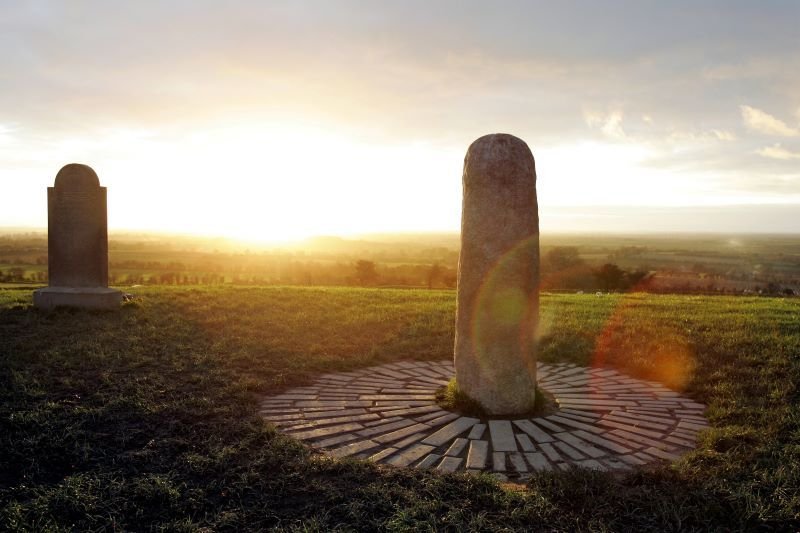
No discussion of Ireland Travel and ancient kingship is complete without the Hill of Tara. Often considered the most important ceremonial landscape in the country, Tara is traditionally linked with the High Kings of Ireland. The site contains numerous ancient monuments and earthworks, all spread across a commanding hilltop near the River Boyne.
Luxury travelers often pair Tara with private heritage tours of the Boyne Valley, making it one of the most enriching cultural excursions in Ireland. Visit at sunrise or sunset for the most atmospheric views, when the rolling Meath countryside seems to glow around the ancient embankments.
Rock of Cashel, County Tipperary
Known historically as Cashel, this spectacular site served as the seat of the Kings of Munster before the Norman era. Rising dramatically above the surrounding landscape, the Rock of Cashel remains one of Ireland’s most visually striking historic landmarks. Its later medieval buildings only add to the grandeur, creating a layered portrait of sacred and royal authority.
For upscale visitors, Cashel works beautifully as part of a refined southern itinerary that includes manor house stays, gourmet dining, and private chauffeur travel through Tipperary.
Navan Fort, County Armagh
Navan Fort, or Emain Macha, was one of pre-Christian Ireland’s great royal centers and is deeply connected to Queen Macha and the ancient Ulaid. Though less monumental at first glance than some better-known sites, its historical and mythological significance is immense. This is a destination for travelers who value storytelling, early Irish literature, and quiet, contemplative landscapes.
Navan Fort also fits well into a broader cultural route through Northern Ireland, especially for those interested in Celtic history and legendary warrior traditions.
Dún Ailinne, County Kildare
Dún Ailinne was the inauguration site of the Kings of Leinster and one of the island’s major royal centers. Located in present-day Kildare, it remains lesser known than Tara or Cashel, which makes it especially attractive for discerning travelers seeking off-the-beaten-path Ireland Travel experiences.
Its understated setting rewards visitors with a strong sense of place. Rather than overwhelming with architecture, Dún Ailinne impresses through atmosphere, historical resonance, and the knowledge that this ground once hosted royal ceremony on a grand scale.
Rathcroghan, County Roscommon
Rathcroghan, also called Cruachain, was the capital of Connacht and is famously associated with Queen Medb. It is one of the most intriguing archaeological landscapes in Ireland, with mythology suggesting it contained an entrance to the otherworld. For travelers fascinated by folklore, this site offers one of the richest blends of legend and historical mystery anywhere in the country.
Rathcroghan is ideal for immersive cultural tourism, especially when combined with expert-led archaeological interpretation and luxury countryside accommodation nearby.
Other Royal Sites Worth Adding to Your Ireland Travel Itinerary
Tailtiu, County Meath
Modern Teltown preserves the memory of Tailtiu, where ancient games were held in honor of a legendary royal figure connected to Lugh. The site speaks to the ceremonial and communal life of early Ireland, reminding visitors that royal capitals were not only seats of power but stages for celebration and social gathering.
Tlachtga, Hill of Ward, County Meath
Tlachtga is linked to the druidess of the same name and is widely associated with the origins of Samhain, the ancient festival that later influenced Halloween traditions. Fires once blazed here in ritual observance, and the hill still carries an undeniable spiritual energy. For Ireland Travel centered on seasonal tradition, mythology, and sacred landscapes, Tlachtga is a standout stop.
Why These Ancient Capitals Appeal to Luxury Travelers
Historic sites and luxury are not opposites in Ireland; they complement each other beautifully. The ancient royal capitals are best experienced slowly, with time for interpretation, scenery, and excellent hospitality.
- Private guides can bring mythology and archaeology to life
- Chauffeur-driven routes make multi-site itineraries seamless
- Nearby castles, manor houses, and boutique country hotels elevate the journey
- Fine Irish dining adds a contemporary layer to an ancient experience
- Less-crowded sites offer exclusivity and a stronger sense of discovery
This is where Ireland Travel truly shines: not just in seeing famous places, but in understanding how they connect to identity, kingship, ritual, and landscape.
Planning Tips for Visiting Ireland’s Royal Sites
- Base yourself in Meath if you want access to Tara, Tailtiu, and Tlachtga in one refined cultural circuit.
- Combine Cashel with other heritage stops in the south for a balanced luxury road trip.
- Book guided tours where available, especially at myth-rich sites like Rathcroghan.
- Wear proper footwear, as many royal landscapes involve grassy paths and uneven ground.
- Allow time for stillness; these places are best appreciated without rushing.
The most rewarding Ireland Travel experiences often come from pairing iconic landmarks with lesser-known sacred sites. That balance creates a journey that feels both exclusive and deeply authentic.
Ireland’s ancient royal capitals are more than archaeological remnants. They are living cultural landscapes where myth, memory, and power still seem to linger in the air. For anyone planning Ireland Travel with a taste for history, beauty, and elevated experiences, these extraordinary sites offer one of the island’s richest and most rewarding journeys.