
Ireland Travel is increasingly defined not only by beauty and heritage, but by meaningful accessibility. This September, some of the country’s most iconic landmarks are shining blue for the International Day of Sign Languages, spotlighting how Ireland is creating more inclusive cultural experiences for Deaf visitors without compromising on the richness or elegance travelers expect.
For luxury travelers seeking deeper, more thoughtful ways to explore the island, this initiative reveals a side of Ireland that blends prestige, heritage, and progressive visitor design. From castle grounds to grand estates, the latest accessibility efforts by the Office of Public Works (OPW) show that exceptional travel can also be welcoming, human-centered, and memorable.
Ireland Travel Highlights: Heritage Landmarks Light Up Blue
In recognition of the International Day of Sign Languages, several major Irish landmarks are being illuminated in blue during the International Week of Deaf People. The initiative supports a campaign led by the Irish Deaf Society and brings national attention to Deaf culture, Irish Sign Language, and inclusive public spaces.
Among the standout sites participating are:
- Kilkenny Castle
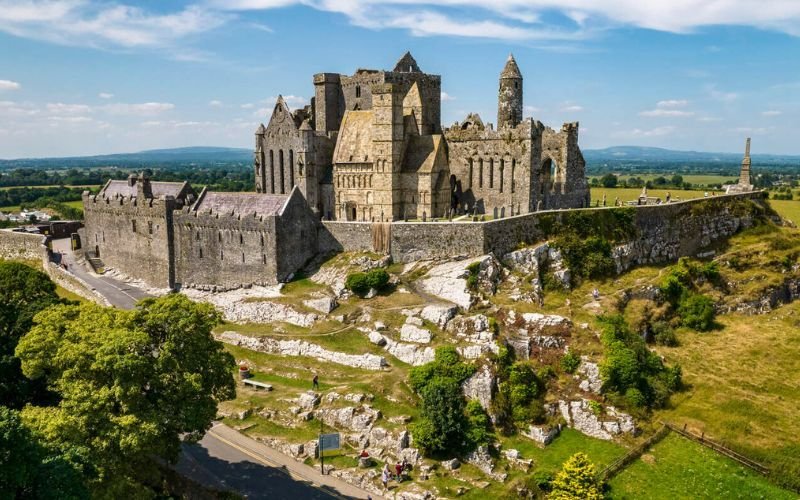
- Rock of Cashel in County Tipperary
- Casino Marino
- Derrynane House
- Water Tower at Farmleigh Estate
Other notable public landmarks and institutions joining the blue illumination include Collins Barracks, the National Concert Hall, the National Museum, the National Library, Phoenix Park, and the Wolfe Tone Monument in St Stephen’s Green.
For anyone planning Ireland Travel around culture and heritage, these blue-lit sites offer more than a photogenic evening. They represent a visible national commitment to inclusion and a fresh way to engage with Ireland’s historic treasures.
Why Accessibility Matters in Luxury Ireland Travel
Luxury travel is no longer only about five-star stays and private chauffeurs. Today’s premium traveler often values access, personalization, and authenticity just as much as comfort. In that context, accessible heritage experiences are becoming an important part of modern Ireland Travel.
The OPW has expanded efforts to make built heritage more inclusive for Deaf visitors through Irish Sign Language-interpreted tours across the country. These experiences allow travelers to connect directly with Ireland’s stories, architecture, and landscapes through well-supported guided visits.
That matters for several reasons:
- It deepens cultural access: Visitors can engage with history in a more direct and meaningful way.
- It enhances trip planning: Travelers seeking accessible experiences have clearer options.
- It raises the standard of hospitality: Inclusive programming signals a destination that cares about every guest experience.
For luxury-focused itineraries, this adds a sophisticated dimension to Ireland Travel: heritage that is not only exclusive and beautiful, but thoughtfully curated for broader participation.
Irish Sign Language Tours at Heritage Ireland Sites
One of the most significant developments in accessible Ireland Travel is the OPW’s growing program of Irish Sign Language tours. These guided experiences are led by knowledgeable professionals and supported by ISL interpreters, making Ireland’s historic sites more welcoming to Deaf audiences.
More than 20 heritage sites have participated in the program this year. Featured locations include:
- Royal Hospital Kilmainham
- Annes Grove Gardens
- Ormond Castle
- Scattery Island Monastic Site and Visitor Centre
- Doneraile Estate
These are not minor add-ons to the visitor experience. They are part of a broader shift in how cultural tourism is presented in Ireland. For travelers building custom itineraries, especially those centered on architecture, gardens, or aristocratic estates, such tours can add both convenience and depth.
What Makes These Experiences Stand Out
Accessible tours at Irish heritage sites offer benefits that appeal to a wide range of visitors, including multigenerational families and private travel groups. They are especially valuable because they combine:
- Historic settings with strong interpretive storytelling
- Professional support through Irish Sign Language interpretation
- A more inclusive atmosphere at nationally significant sites
- Opportunities to explore beyond the standard tourist circuit
This is the kind of detail that can elevate Ireland Travel from scenic sightseeing to truly thoughtful exploration.
Planning an Inclusive and Elegant Ireland Itinerary
If you are organizing a high-end Irish escape, accessibility can be integrated seamlessly into a premium itinerary. Consider pairing heritage stops with luxury accommodations, private drivers, and fine dining experiences in nearby towns and cities.
Suggested itinerary ideas
- Kilkenny Castle and boutique city stay: Explore one of Ireland’s most beloved castle settings, then enjoy upscale dining and an elegant hotel in Kilkenny.
- Rock of Cashel and countryside retreat: Visit this dramatic historic site before retreating to a refined manor house or spa property in Tipperary.
- Farmleigh Estate and Dublin culture day: Combine estate grounds, city museums, and a concert evening for a polished Dublin experience.
Travelers interested in accessible cultural tourism should also look for official updates from Heritage Ireland and the Irish Deaf Society before departure. Their resources can help identify upcoming tours, visitor information, and available support.
As Ireland Travel continues to evolve, this type of planning reflects a broader trend: visitors increasingly want journeys that are beautiful, responsible, and inclusive.
A Powerful Moment for Deaf Culture and Irish Tourism
The blue illumination campaign is about more than aesthetics. It sends a public message of support for Deaf people, Irish Sign Language, and Deaf culture across Ireland. It also underscores how tourism and heritage organizations can play a role in advancing visibility and human rights.
For international visitors, especially those seeking luxury experiences with substance, this initiative offers a compelling reason to see Ireland through a different lens. Grand landmarks like Cashel, Kilkenny Castle, and Derrynane House already carry enormous visual and historical appeal. Their participation in an accessibility-focused campaign adds contemporary relevance and emotional resonance.
That balance of old-world grandeur and modern inclusivity is one of the most exciting developments in Ireland Travel today.
Conclusion: Ireland Travel with Beauty, Heritage, and Inclusion
The latest accessibility efforts at Ireland’s heritage sites show that world-class tourism can also be inclusive and forward-looking. Blue-lit landmarks, Irish Sign Language tours, and stronger partnerships with the Irish Deaf Society all point to a more welcoming future for cultural tourism.
For travelers curating a refined escape, Ireland Travel now offers something especially valuable: the chance to experience iconic places in a way that honors both heritage and human connection. If you are planning your next luxury journey, consider building your itinerary around these remarkable sites and the inclusive experiences that make them even more meaningful.