Architecture news rarely carries the emotional weight of a national memory project, but the World Monuments Fund’s new “Irreplaceable America” list does exactly that. Released ahead of the 250th anniversary of the United States’ Declaration of Independence, the initiative identifies 10 heritage places whose survival is essential to understanding the country’s layered cultural, civic, and design history.
For readers interested in luxury architecture, luxury design, and the long-term value of exceptional built environments, this announcement is more than a preservation roundup. It is a reminder that architectural legacy—whether a modernist city hall, a colonial streetscape, or a sacred cultural landscape—depends on stewardship, funding, and public will.
Architecture News Spotlight: Why These 10 Sites Matter Now
According to the World Monuments Fund, the 10 sites were selected from 75 nominations submitted through a nationwide open call. An independent panel evaluated each place based on cultural significance, urgency of conservation needs, and the wider community benefit of preservation.
The result is a striking cross-section of American history. The list spans Indigenous heritage, Black history, public health history, botanical science, folk art, aviation, and civic modernism. Just as important, it reflects the breadth of American architecture itself—from monumental public buildings to fragile ruins and living neighborhoods.
Common threats include:
- Climate change and rising seas
- Deferred maintenance and funding shortages
- Development pressure and land-use conflicts
- Loss of traditional building knowledge
- Structural instability and long-term neglect
In today’s architecture news cycle, these pressures are becoming central to the future of preservation. Protecting heritage is no longer only about honoring the past; it is about adapting historic places for a far more volatile environmental and economic future.
The 10 Irreplaceable America Sites
1. Smallpox Hospital Ruin, Roosevelt Island, New York
Designed by James Renwick Jr., this 19th-century hospital was the first purpose-built U.S. facility for epidemic disease treatment. Its haunting Gothic presence also marks a crucial chapter in medical architecture. Decades of neglect have left the ruin dangerously unstable, making emergency stabilization a top priority.
2. Bartram’s Garden, Philadelphia, Pennsylvania
The oldest surviving botanical garden in the United States is both a cultural landscape and a landmark of scientific exchange. Bartram’s Garden helped shape American natural history, yet growing visitation, climate stress, and nearby development now challenge its long-term resilience.
3. Black Mountain College Studies Building, North Carolina
Few educational sites carry the same design influence as Black Mountain College, a legendary incubator for experimental art and pedagogy. The Studies Building stands at the heart of that story, but water infiltration and climate-related deterioration are threatening its survival.
4. Boston African Meeting House, Massachusetts
As the oldest surviving Black church in the United States, the Boston African Meeting House is a foundational site in the history of abolition and civil rights. Preservation here is not simply architectural; it is also about safeguarding a place of profound social meaning amid funding gaps.
5. Historic New Orleans, Louisiana
New Orleans appears on the list not as a single monument, but as a living urban fabric shaped by Indigenous, African, European, and Caribbean influences. Its historic neighborhoods are among the most distinctive in the country, yet sea-level rise, land loss, and displacement pose escalating risks.
6. Colonial Homes of Newport, Rhode Island
Newport’s colonial houses represent an unusually intact historic neighborhood still functioning as a lived-in environment rather than a static museum district. That authenticity is precisely what makes the site so valuable—and so vulnerable to rising seas and accelerating climate threats.
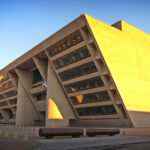
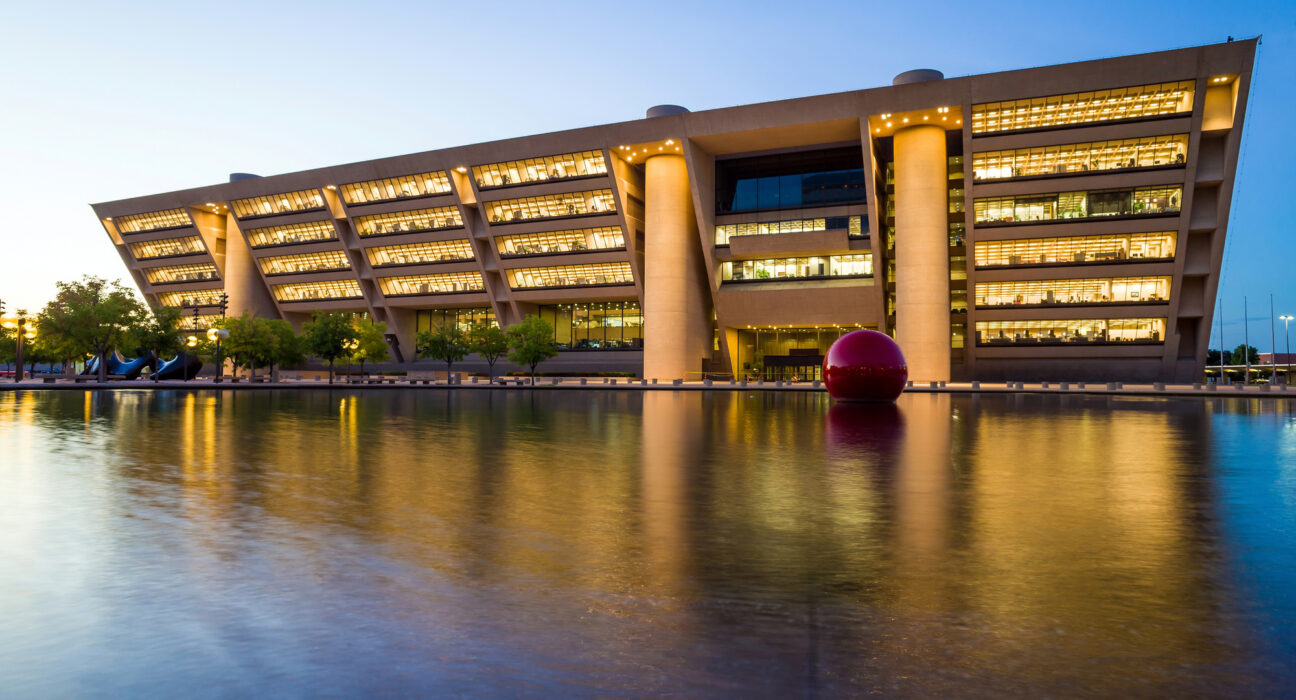
7. Dallas City Hall, Texas
For followers of architecture news and modernist preservation, Dallas City Hall may be the most high-profile inclusion. Designed by I. M. Pei & Partners, the building is one of America’s most significant civic modernist works. Yet inflated rehabilitation costs and private development pressure have placed it at risk of abandonment or even demolition.
8. Mission Churches of Acoma and Laguna Pueblos, New Mexico
These mission churches remain active spiritual and cultural centers built by Indigenous communities. Their importance lies not only in architectural form, but in living tradition. The challenge is twofold: securing funding while preserving traditional construction knowledge that is increasingly at risk of being lost.
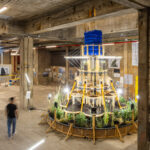
9. Watts Towers, Los Angeles, California
Built by Simon Rodia over more than 30 years, Watts Towers is one of the most extraordinary works of self-taught art in the United States. Environmental wear, seismic vulnerability, and limited conservation resources have made its preservation especially urgent.
10. Wright Brothers Sites, Dayton, Ohio
In Dayton, the Wright brothers developed the technologies that transformed transportation and the modern world. These workshops and fields are central to aviation history, yet years of underinvestment threaten both the sites themselves and the quality of public interpretation.
What This Means for Luxury Architecture and Design Audiences
At first glance, heritage advocacy may seem far removed from luxury home decor or luxury design. In reality, they are deeply connected. Great design culture is built on continuity—on the survival of craftsmanship, materials knowledge, spatial innovation, and civic ambition across generations.
For luxury architecture audiences, this list reinforces several key ideas:
- Rarity creates value: Irreplaceable buildings and landscapes hold cultural capital no new construction can replicate.
- Craft matters: Traditional skills and original detailing are often essential to authentic restoration.
- Adaptation is the future: Climate resilience is now central to preservation strategy.
- Public buildings deserve design attention: Civic landmarks such as Dallas City Hall shape a city’s identity as much as elite private residences do.
This is one reason architecture news around preservation is increasingly relevant to designers, collectors, and homeowners alike. The lessons learned from conserving a modernist masterpiece or a historic cultural landscape often influence contemporary residential design, material selection, and sustainable planning.
The National Park Service Also Received Special Recognition
Beyond the 10 named sites, the World Monuments Fund also gave a special designation to the U.S. National Park Service. The recognition highlights the agency’s stewardship of more than 430 sites, including globally recognized landmarks and cultural landscapes.
But the message is not purely celebratory. The National Park Service faces mounting challenges, including staffing reductions, chronic underfunding, deferred maintenance, and intensifying climate risk. In broader architecture news, this underscores a national preservation system under strain.
Conclusion: Why This Architecture News Should Not Be Ignored
The World Monuments Fund’s Irreplaceable America list is some of the most important architecture news of the year because it reframes preservation as a national design priority. These 10 sites do more than commemorate the past—they reveal how architecture carries memory, identity, artistry, and public meaning across centuries.
The takeaway is clear: if the United States wants to celebrate 250 years of independence with integrity, it must invest in the places that tell its full story. In the world of architecture news, preservation is no longer a niche concern. It is a test of cultural ambition, environmental responsibility, and whether great American places will still exist for future generations to experience.