


Nicolás Maduro Sued in US Court Over Alleged Extrajudicial Killings in Venezuela
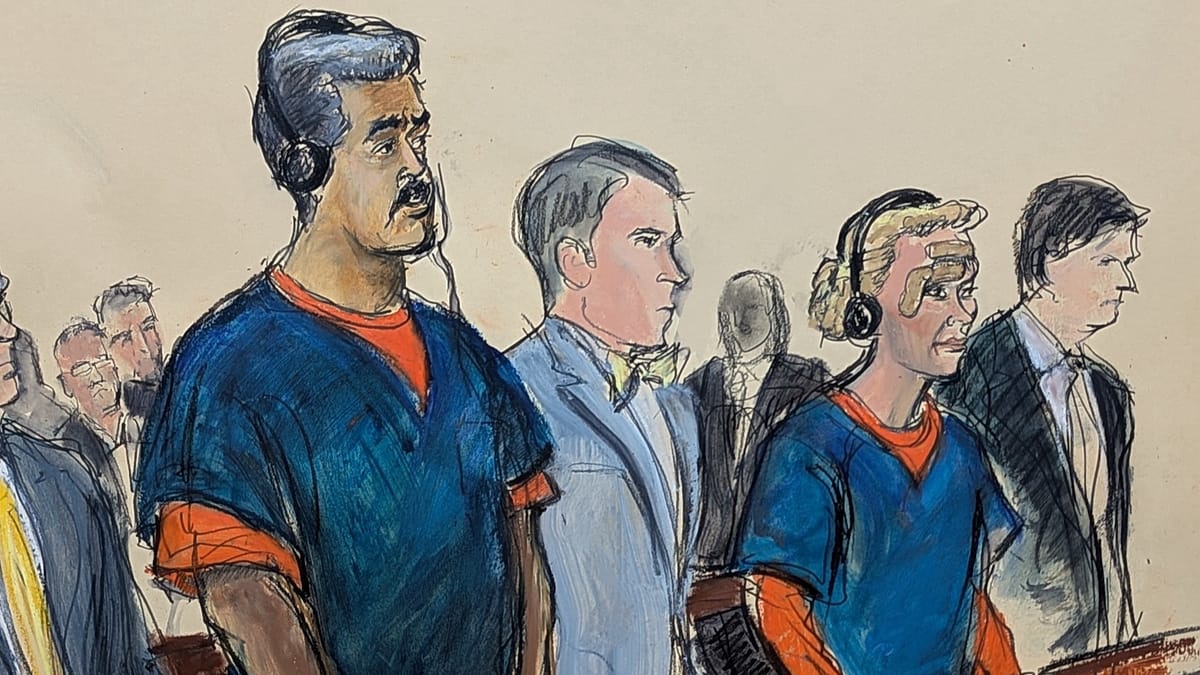
Nicolás Maduro sued in US court is the latest legal development to draw international attention to Venezuela’s long-running human rights crisis. A civil complaint filed in federal court in Brooklyn alleges that the former Venezuelan leader ordered or enabled a campaign of extrajudicial killings carried out by elite security forces, deepening scrutiny of his rule and raising new questions about accountability beyond national borders.
Although this case sits far outside the worlds of luxury architecture, luxury design, and luxury interiors, it speaks to a broader reality that shapes every built environment: political power, state control, and public safety profoundly influence how cities, neighborhoods, and homes are experienced. Behind the legal filings are families seeking justice for violence they say was carried out in the very communities where ordinary life should have been protected.
Nicolás Maduro Sued in US Court: What the Lawsuit Alleges
The lawsuit was brought by the families of five young men killed in Venezuela between 2017 and 2020. According to the complaint, the killings were not isolated incidents but part of a broader pattern of repression allegedly tied to the Special Action Forces, or FAES, an elite Venezuelan security unit widely criticized by human rights organizations.
The filing argues that FAES officers followed a recurring method:
- Arriving in neighborhoods during early morning hours
- Wearing black clothing and covering their faces
- Separating young men from relatives and witnesses
- Shooting the victims
- Claiming afterward that the victims had “resisted authority”
According to the families, these tactics were used to intimidate vulnerable communities and suppress dissent. The complaint describes FAES as a mechanism of social and political control, not merely a law enforcement body operating outside accepted standards.
Why the Case Matters Beyond Venezuela
The significance of Nicolás Maduro sued in US court extends beyond one civil action. It represents an attempt to use the US legal system to pursue accountability when domestic institutions are alleged to be compromised or ineffective. The plaintiffs argue that Venezuela’s judiciary has been too biased or too constrained to deliver justice for the victims.
The case was reportedly filed under the Torture Victim Protection Act, a US law that allows civil claims in certain cases involving torture or extrajudicial killing committed under foreign authority. For families who have spent years without answers, the lawsuit may offer both a legal pathway and an international platform.
This is especially important in cases where local records, police reports, or official narratives are disputed. Civil litigation in the United States can open new avenues for evidence, testimony, and public examination, even if collecting damages or enforcing judgments remains difficult.
The Role of FAES in Venezuela’s Human Rights Record
FAES has been a major focus of human rights reporting for years. The unit was dissolved in 2021 following sustained criticism, including concerns raised by the United Nations. Still, the allegations tied to its operations continue to carry weight because they reflect a wider pattern often associated with authoritarian policing and politically charged violence.
Reports over the past decade have repeatedly linked Venezuelan security forces to:
- Extrajudicial executions
- Arbitrary detentions
- Intimidation in low-income neighborhoods
- Suppression of political opposition
- Use of force framed as anti-crime operations
In the new complaint, FAES is portrayed as a so-called death squad used to terrorize communities. That allegation is central to the case because it seeks to connect individual killings to a chain of command rather than treat them as rogue acts by officers on the ground.
Maduro’s Broader Legal Troubles in the United States
The timing of Nicolás Maduro sued in US court is notable because the former president is already facing separate criminal proceedings in New York. He is reportedly being held in jail awaiting trial after being removed from office in a dramatic US military operation earlier this year.
In that criminal matter, Maduro has pleaded not guilty to multiple charges, including allegations related to narco-terrorism conspiracy, cocaine importation conspiracy, and weapons offenses. He has reportedly described himself as a “prisoner of war,” while his legal team is expected to challenge both the substance of the charges and the jurisdictional framework around them.
The civil suit over the alleged killings is distinct from the criminal case, but the overlap is politically and legally consequential. Together, the proceedings amplify international scrutiny of Maduro’s legacy and create a complex legal landscape involving human rights, state immunity, and cross-border enforcement.
Could Immunity Protect Maduro?
One of the most closely watched issues in the case will be whether Maduro can successfully claim immunity. Former or sitting heads of state often seek protection from foreign civil suits, especially when accusations stem from actions allegedly taken in an official capacity.
That said, immunity arguments can become highly contested when cases involve alleged human rights abuses. Courts may need to weigh:
- Maduro’s current legal status
- Whether he is recognized as a protected head of state in this context
- The nature of the alleged conduct
- How US law applies to extrajudicial killing claims
Even if immunity becomes a central defense, the filing itself is significant. It places the allegations into a formal judicial record and ensures that the claims receive legal review at a high-profile international level.
What This Means for Accountability and Public Memory
Cases like Nicolás Maduro sued in US court are about more than compensation. They also shape public memory. For families of alleged victims, legal action can help preserve names, timelines, and testimony that might otherwise be buried by fear or official denial.
There is also a larger civic dimension. Violence carried out in residential districts changes how communities live within space. Neighborhoods become associated with surveillance, raids, trauma, and silence. In that sense, the built environment itself absorbs the legacy of political repression.
For readers in luxury architecture and design, that may seem distant from the aesthetics of homes and interiors. Yet design ultimately exists within social realities. Safe, thriving communities are the true foundation of meaningful living spaces, whether modest apartments or landmark residences.
Conclusion
Nicolás Maduro sued in US court marks a major development in the international pursuit of accountability for alleged state violence in Venezuela. The lawsuit centers on five families, but its implications reach far wider, touching on human rights, judicial independence, and the power of foreign courts to examine abuses that may never be fairly addressed at home.
The clearest takeaway is this: when domestic systems fail, survivors and families often look abroad for justice. Whether this case results in damages, dismissal, or a prolonged fight over immunity, Nicolás Maduro sued in US court ensures that these allegations will not easily disappear from public view.