


South Caucasus Connectivity Is Emerging as a New Force in Luxury Architecture and Design
The South Caucasus connectivity story is no longer just about diplomacy and pipelines. For the worlds of luxury architecture, luxury design and high-end interiors, the region’s expanding links with Europe could help shape the next era of cross-border development, material sourcing and design-led investment.
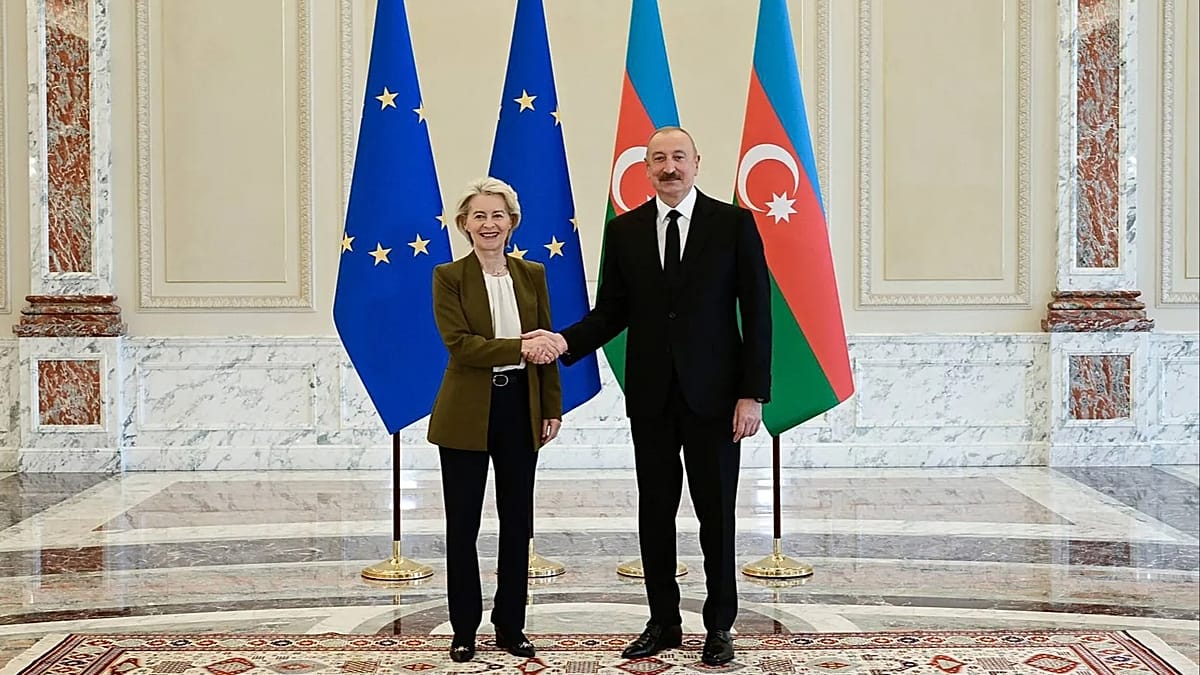
As European Commission President Ursula von der Leyen met Azerbaijani President Ilham Aliyev in Baku, the headlines focused on energy security, peace-building and transport corridors. Yet beneath the geopolitical language lies something that matters deeply to the design sector: infrastructure creates places, and places define how luxury real estate, hospitality and interiors evolve.
Why South Caucasus Connectivity Matters for Luxury Architecture
The European Union’s deeper engagement with Azerbaijan and the wider South Caucasus signals a long-term interest in transport, digital networks and energy resilience. For luxury architecture, these are not abstract policy themes. They are the foundations that make ambitious projects feasible, desirable and globally relevant.
Von der Leyen highlighted plans for an EU-Azerbaijan Connectivity Partnership spanning transport, energy and digital infrastructure, alongside Global Gateway support that could unlock major public and private investment. In practical terms, this can strengthen the ecosystem needed for premium urban districts, branded residences, cultural landmarks and luxury hospitality developments.
When regions gain stronger logistics, better utilities and more stable investment relationships, they become more attractive to:
- International architects and interior designers
- Luxury hotel brands seeking expansion markets
- Developers planning mixed-use destination projects
- Artisans and suppliers moving bespoke materials across borders
- Investors looking for design-led real estate opportunities
Energy Security and the Future of Luxury Design
One of the clearest messages from the Baku talks was Azerbaijan’s continuing importance to Europe’s energy security. While that discussion centered on gas supplies and the Southern Gas Corridor, the design implications are broader. Reliable energy systems influence how luxury buildings are conceived, operated and marketed.
Today’s discerning clients expect much more than visual opulence. They want residences, resorts and flagship spaces that combine beauty with resilience, efficiency and advanced building performance. That means the future of luxury architecture increasingly depends on access to secure energy networks and, over time, stronger integration with renewable infrastructure.
Design trends supported by stronger energy partnerships
As cooperation expands beyond natural gas into renewables and digital systems, several high-end design trends are likely to accelerate:
- Smart climate control and energy management in ultra-prime homes
- High-performance glazing and building envelopes for comfort and efficiency
- Wellness-focused interiors with better air quality and environmental monitoring
- Electrified luxury hospitality spaces with seamless guest technology
- Architectural concepts that blend sustainability with prestige
For developers and designers, energy stability is now part of the luxury proposition. It supports operational excellence, protects asset value and enhances buyer confidence.
Transport Corridors, Trade Routes and Premium Development
Beyond energy, EU officials and Azerbaijani leaders emphasized the strategic importance of transport connectivity. The South Caucasus sits at a vital crossroads linking Europe, the Caspian region and Central Asia, with growing attention on east-west and north-south routes, including the Middle Corridor.
For luxury architecture and interiors, improved transport links can have ripple effects across the entire design chain. Faster cargo movement and stronger trade corridors can make it easier to import custom stone, rare woods, artisan metalwork, lighting systems and specialist furnishings. They can also support the movement of talent, from architects and landscape designers to craftspeople and project consultants.
In luxury real estate and hospitality, access is everything. Better regional connectivity can increase the appeal of:
- Waterfront and urban regeneration schemes
- Five-star hotels and private resort compounds
- Design-forward commercial and cultural destinations
- High-net-worth residential enclaves
- Boutique retail environments with international brand presence
In short, infrastructure does not merely connect places; it raises their design potential.
Peace, Stability and the Design Economy
Von der Leyen also welcomed progress in the Armenia-Azerbaijan peace process, while announcing EU support for peace-building initiatives including demining, healthcare, rural development and assistance for small and medium-sized businesses. That matters because stable regions are far more capable of sustaining long-term design investment.
The design economy thrives where confidence exists. Luxury buyers, developers and global brands look for environments where projects can be delivered over many years, where public space can be improved, and where cultural identity can be translated into architecture and interiors with optimism rather than uncertainty.
What post-conflict progress can unlock
If peace efforts continue to gain traction, the region may see greater room for:
- Urban renewal and civic architecture
- Adaptive reuse of heritage buildings
- Luxury eco-retreats in underdeveloped landscapes
- Craft revival within high-end interior design
- Cross-border tourism experiences anchored in design and culture
That does not mean change happens overnight. But peace and infrastructure together can create the conditions for sophisticated place-making.
A New Regional Aesthetic Opportunity
The South Caucasus is especially compelling because it offers more than logistics and investment potential. It also presents a rich visual and material language. From intricate craft traditions to dramatic mountain, desert and coastal landscapes, the region has the ingredients for a distinct design identity that could resonate internationally.
For the global luxury sector, this opens an exciting possibility: a wave of projects that pair European standards of performance and connectivity with local textures, forms and narratives. In that context, luxury architecture becomes a bridge between geopolitics and lifestyle, between infrastructure and atmosphere.
Expect future premium developments in the region to emphasize:
- Natural stone palettes and tactile finishes
- Interiors inspired by regional weaving, metalwork and carving traditions
- Landscape-integrated architecture with panoramic views
- Contemporary forms rooted in cultural memory
- Hybrid spaces that combine hospitality, wellness and residential luxury
Conclusion: Why Designers Should Watch the South Caucasus
The latest EU engagement with Azerbaijan and the wider South Caucasus is about much more than foreign policy. It points to a region being reimagined through connectivity, energy cooperation and stability — all of which are essential ingredients for the next generation of luxury architecture, luxury interiors and destination design.
For architects, developers, hoteliers and design investors, the takeaway is clear: when infrastructure expands and regional confidence grows, new design geographies emerge. The South Caucasus may soon become one of the most interesting places to watch for luxury architecture that is not only elegant, but strategically positioned for the future.