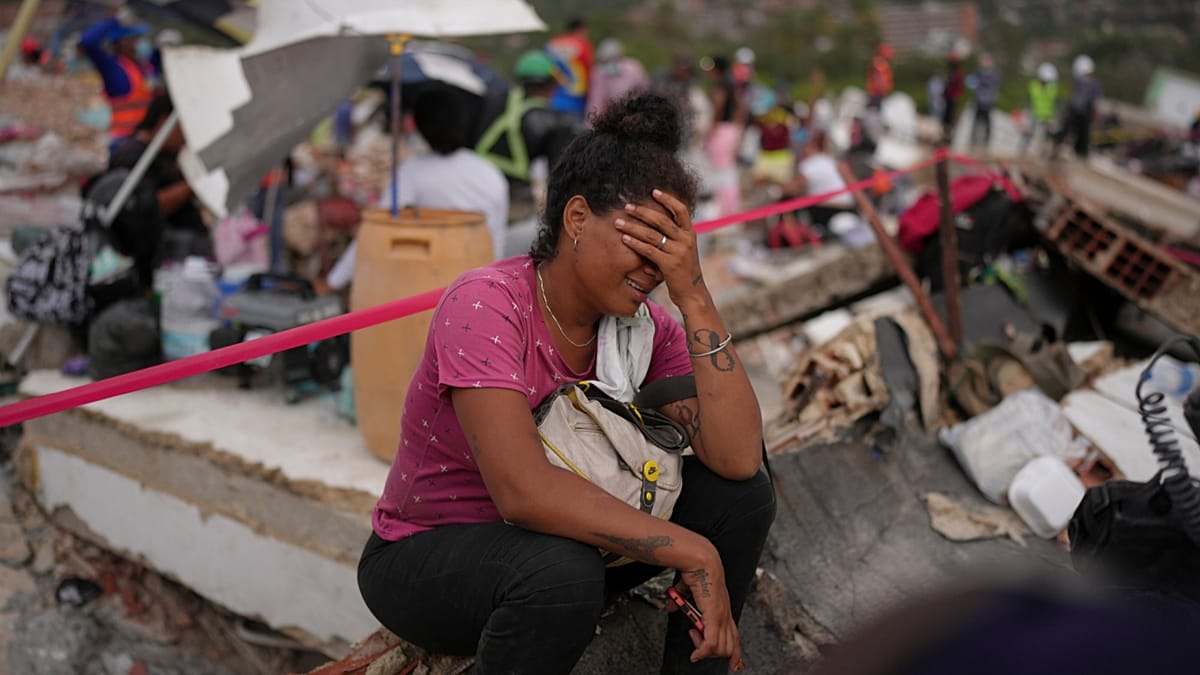
The Venezuela earthquake medical crisis is first and foremost a human tragedy, with thousands killed, more than 11,000 injured, and countless families displaced after the 24 June earthquakes. But beyond the immediate emergency, the disaster also highlights a critical issue for the worlds of luxury brands, luxury decor, and luxury design: how high-end spaces, products, and infrastructure must evolve to prioritize resilience, sanitation, and human safety alongside beauty.
As aid groups warn of infections, poor sanitation, overcrowded shelters, and the risk of disease outbreaks, the conversation around design can no longer be limited to aesthetics alone. In moments like this, the built environment becomes either a safeguard or a failure point.
Why the Venezuela Earthquake Medical Crisis Matters Beyond Emergency Response
According to reports, the death toll has risen to 2,295, while severe infrastructure damage has compounded an already fragile healthcare system. Doctors and humanitarian officials are warning that the Venezuela earthquake medical crisis may worsen in the coming days due to infections, heat, disrupted waste management, and limited access to clean water.
For design-led industries, this is a reminder that luxury should not mean excess without purpose. True premium design increasingly includes:
- Durable materials that can withstand extreme conditions
- Water-safe and hygiene-focused interiors
- Energy and infrastructure redundancy
- Flexible spaces that can support emergency use
- Health-conscious planning for dense urban environments
In a global market shaped by climate risk, seismic events, and stressed public systems, resilience is becoming one of the most valuable design features of all.
Luxury Design and the New Definition of Preparedness
The Venezuela earthquake medical crisis underscores how quickly damaged infrastructure can trigger secondary disasters. Hospitals overwhelmed by trauma cases must also contend with infection control. Shelters without clean water become health hazards. Debris and unmanaged waste can accelerate vector-borne disease risk.
Luxury design has historically centered on craftsmanship, exclusivity, and refined aesthetics. Today, however, leading architects, developers, and luxury brands are broadening that definition. Preparedness is emerging as a marker of quality.
Materials That Do More Than Look Beautiful
In high-end interiors and hospitality environments, material selection increasingly carries practical weight. Surfaces that are easy to disinfect, resistant to moisture damage, and durable under stress are now as important as finish and texture.
Examples include:
- Antimicrobial stone and engineered surfaces
- High-performance wall treatments for humid climates
- Luxury textiles designed for durability and cleanability
- Natural ventilation strategies integrated with elegant architecture
These details may seem far removed from an earthquake zone, yet the Venezuela earthquake medical crisis shows how rapidly sanitation and environmental conditions can become life-defining issues.
Designing for Continuity, Not Just Comfort
In premium residences, boutique hotels, wellness retreats, and branded developments, operational continuity is becoming essential. Backup power, water storage, modular medical support spaces, and structurally resilient layouts are no longer features reserved only for critical infrastructure.
Luxury consumers are also becoming more aware that comfort depends on systems behind the walls. Air quality, water quality, access, structural strength, and emergency planning all shape the long-term value of a property or brand experience.
What Luxury Brands Can Learn From the Venezuela Earthquake Medical Crisis
The Venezuela earthquake medical crisis is a stark case study in the consequences of underprepared systems. For luxury brands, especially those operating across design, interiors, travel, real estate, and lifestyle, there are meaningful lessons to take from this event.
1. Wellness Must Include Public Health Thinking
Luxury wellness has often focused on spa culture, organic materials, and serene environments. But true wellness design also includes sanitation planning, ventilation, emergency access, and the ability to maintain safe occupancy during disruption.
2. Sustainability and Resilience Are Interconnected
Eco-conscious design cannot stop at low-impact sourcing. It must also consider disaster-readiness, local climate realities, and recovery capacity. A sustainable luxury property that fails under stress is not truly future-ready.
3. Social Responsibility Is Part of Brand Equity
As the United States, the United Nations, and international rescue teams mobilize support for Venezuela, global audiences are watching how institutions respond in moments of crisis. Luxury brands that invest in humanitarian design, resilient supply chains, and community support can build deeper credibility than those focused solely on image.
Resilient Luxury Decor in an Age of Uncertainty
Even at the decor level, the Venezuela earthquake medical crisis points to changing priorities. Designers and consumers alike are increasingly asking whether interiors can perform under pressure, not just photograph well.
That shift may influence demand for:
- Furniture layouts that improve safe circulation
- Decor choices that support cleaner, healthier indoor environments
- Storage systems for emergency supplies without visual clutter
- Locally informed design adapted to regional risks
- Multi-use rooms that can transition during disruptions
This does not mean abandoning elegance. Instead, it suggests a more intelligent form of luxury decor, one that fuses refinement with foresight.
A Global Design Wake-Up Call
The humanitarian response in Venezuela continues, with US personnel supporting airport repairs and aid logistics, international rescue teams arriving, and emergency funding pledged. Yet the scale of destruction, estimated in the billions of dollars, illustrates how devastating the gap can be between need and preparedness.
For the design community, the Venezuela earthquake medical crisis is more than a distant news story. It is a warning that infrastructure, healthcare capacity, sanitation systems, and environmental design are deeply connected. Luxury architecture and interiors do not exist outside those realities.
The most forward-thinking luxury brands and designers will be the ones that recognize this shift early. They will create homes, hotels, and products that are not only beautiful and desirable, but also adaptive, hygienic, and resilient.
In the end, the clearest takeaway from the Venezuela earthquake medical crisis is that real luxury is not just about visual perfection. It is about protection, durability, and the ability of design to support human life when conditions are at their hardest.