Asian stocks slide stories may seem far removed from luxury interiors, premium retail and high-end design, but the market tremors behind them can quickly reshape the entire luxury landscape. When semiconductor shares fall sharply and investors brace for US jobs data, the ripple effects can influence everything from smart-home innovation to luxury brand sentiment and consumer confidence.
Thursday’s market action underscored how tightly connected global finance, technology and luxury consumption have become. A broad sell-off in Asian chip stocks weighed on regional indices, while Europe opened with limited direction and US futures edged lower ahead of a closely watched American employment report. For luxury brands, luxury decor houses and luxury design studios, this is more than a stock-market headline—it is a signal about demand, investment and the pace of innovation.
Why Asian Stocks Slide Matters Beyond Finance
The phrase Asian stocks slide captures a wider investor concern: whether the technology rally that has defined much of 2026 is starting to lose momentum. Semiconductor makers have been central to the artificial intelligence boom, powering data centers, connected devices, automation tools and premium consumer electronics. When these stocks weaken, markets begin to question how sustainable AI-driven spending really is.
That matters for luxury sectors in several ways:
- Luxury brands increasingly depend on advanced chips for wearables, immersive digital retail and personalization.
- Luxury decor is being transformed by connected lighting, climate control and intelligent home systems.
- Luxury design firms rely on high-performance computing, visualization software and smart-material integration.
In short, an Asian stocks slide can signal a reassessment of the technology ecosystem that supports modern luxury experiences.
The Chip Sell-Off Behind the Asian Stocks Slide
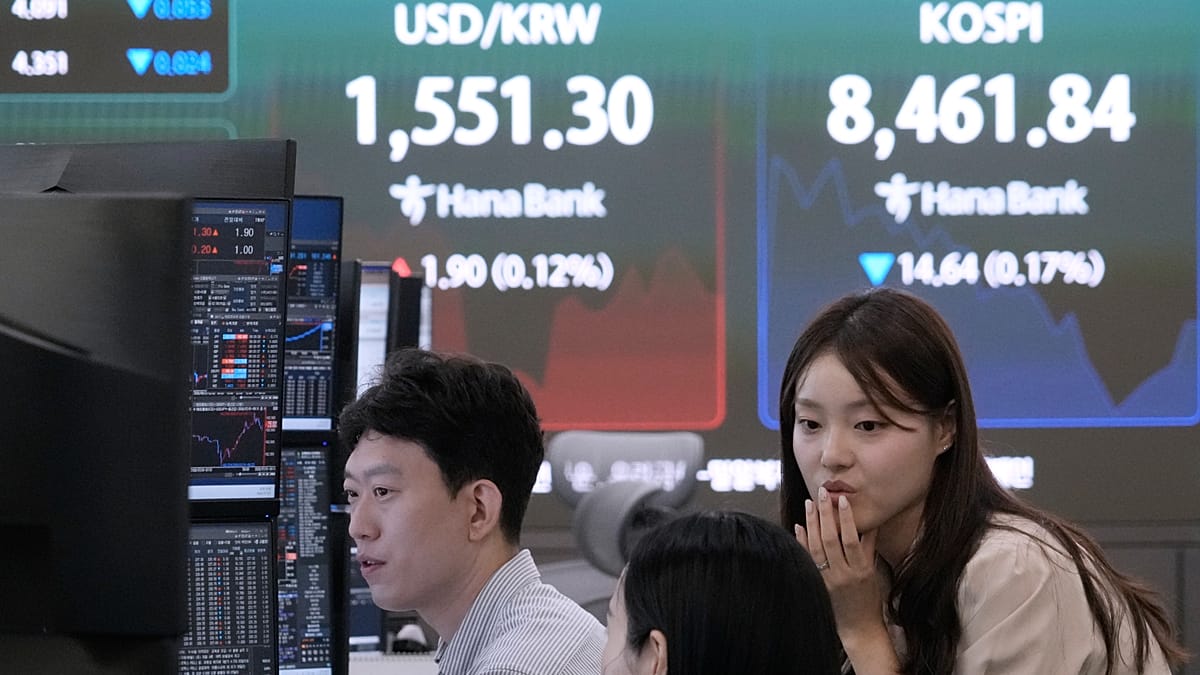
The downturn was led by semiconductor names across Asia. South Korea’s Kospi suffered the heaviest losses, with major chipmakers SK Hynix and Samsung Electronics falling sharply. Japan’s Nikkei also retreated, pressured by declines in chip-equipment companies such as Tokyo Electron. Taiwan’s market slipped as TSMC, the world’s dominant contract chipmaker, moved lower as well.
The weakness followed a difficult session on Wall Street, where US semiconductor stocks also came under pressure. Investors appear increasingly cautious about whether huge AI-related capital spending by large technology companies could eventually create oversupply or slower-than-expected returns.
Even so, the bigger picture remains nuanced. Asian technology markets have still delivered strong gains this year, suggesting this move may reflect a correction in sentiment rather than a full reversal in long-term trends.
Key market developments at a glance
- South Korea’s market fell the most as major memory-chip players sold off
- Japan and Taiwan also declined on semiconductor weakness
- US chip stocks had already posted steep losses in the prior session
- Hong Kong and India proved more resilient, helped by strength in other sectors
How Luxury Brands Should Read the Asian Stocks Slide
For premium businesses, an Asian stocks slide is not just a headline about traders rotating out of technology. It can shape the mood of affluent consumers and investors alike. Luxury demand often benefits from wealth effects, especially in markets where equity gains support high-end spending on fashion, watches, furnishings and artful interiors.
When tech-heavy markets stumble, luxury executives may start watching three pressure points:
- Consumer confidence: Wealthy buyers may not pull back immediately, but sentiment can soften, especially for discretionary big-ticket purchases.
- Innovation budgets: Brands investing in AI concierge tools, virtual showrooms or smart product ecosystems may reassess rollout speed.
- Supply-chain costs: Semiconductor volatility can affect pricing and availability for connected luxury goods and high-tech home features.
For luxury design leaders, the lesson is clear: technology remains essential, but expectations around rapid AI commercialization may need a more realistic timeline.
Luxury Decor and Smart Living Trends to Watch
The Asian stocks slide also intersects with the future of luxury decor. Today’s premium interiors are no longer defined solely by rare materials, bespoke craftsmanship and sculptural furniture. Increasingly, they include seamless home automation, sensor-driven comfort and discreet embedded technology.
If chip-sector caution persists, the luxury home market could experience:
- Longer lead times for highly customized smart-home installations
- More selective adoption of AI-powered decor features
- Greater focus on timeless craftsmanship over fast-moving tech add-ons
- Higher demand for design that blends analog warmth with digital capability
That shift may actually benefit ultra-premium decor brands with strong heritage positioning. In uncertain markets, buyers often gravitate toward enduring value—hand-finished woodwork, artisan textiles, collectible lighting and furniture that retains desirability beyond a trend cycle.
US Jobs Data, Oil Prices and the Luxury Outlook
Another reason the Asian stocks slide is drawing attention is timing. Investors are also waiting for fresh US employment data, a key input for interest-rate expectations. A stronger-than-expected jobs report could reinforce the view that rates may stay elevated for longer under the Federal Reserve’s current leadership.
Higher-for-longer interest rates can affect luxury sectors through financing costs, real estate activity and global risk appetite. At the same time, lower oil prices may offer some relief by easing transport and logistics pressures.
For luxury brands and design houses, the macro mix now includes:
- Technology-sector volatility
- Interest-rate uncertainty
- Shifts in energy prices
- Potential changes in affluent consumer behavior
This does not automatically point to a downturn in luxury. Rather, it suggests the second half of 2026 may favor brands that combine exclusivity, financial discipline and adaptable product strategy.
What Happens Next for Luxury Design and Premium Retail?
If the current Asian stocks slide proves temporary, luxury sectors may regain confidence quickly—especially if AI demand remains strong and the US jobs report avoids major surprises. But if chip weakness deepens, luxury businesses could become more selective about where they place capital.
The strongest players are likely to focus on:
- Core categories with proven pricing power
- High-margin bespoke and limited-edition offerings
- Smart technology that adds real utility, not gimmicks
- Geographic diversification across Asia, Europe and the US
In luxury design, expect a continued move toward integrated spaces that feel intelligent without appearing overtly technological. In luxury decor, authenticity and craftsmanship may become even more valuable as speculative tech enthusiasm cools.
Conclusion: The current Asian stocks slide is a market event with broader cultural and commercial significance. For luxury brands, luxury decor specialists and luxury design professionals, it is a reminder that the future of premium living depends on both innovation and resilience. The clearest takeaway is simple: in an environment shaped by chip volatility, jobs data and rate uncertainty, the luxury names that balance technology with timeless value will be best positioned to lead.