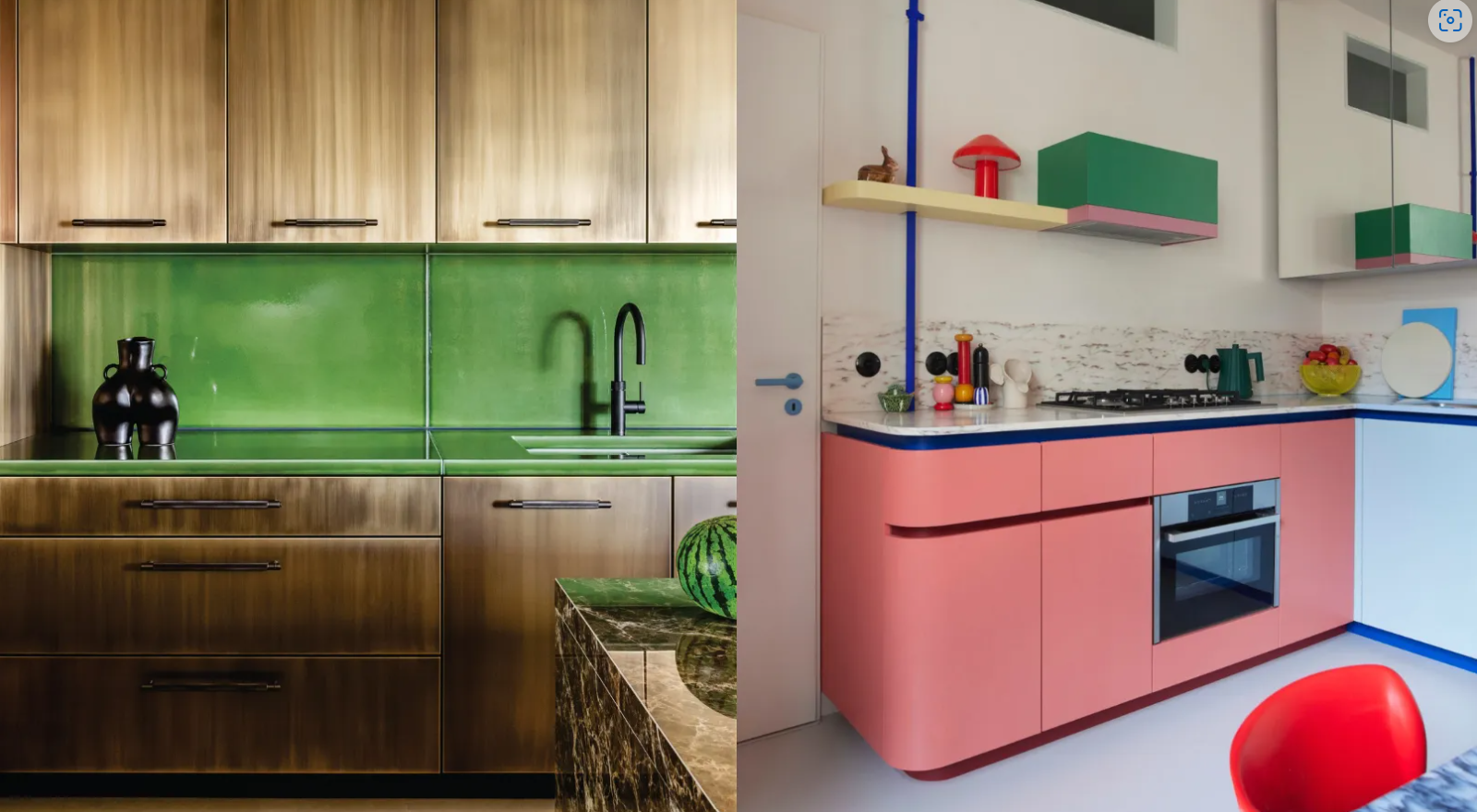
Europe’s next budget battle may sound like distant Brussels politics, but its ripple effects could reach some of the continent’s most refined industries. The EU long-term budget now under negotiation is not just about public spending totals—it could shape the future of luxury brands, luxury decor, and luxury design across Europe through investment, regional development, and support for high-value craftsmanship.
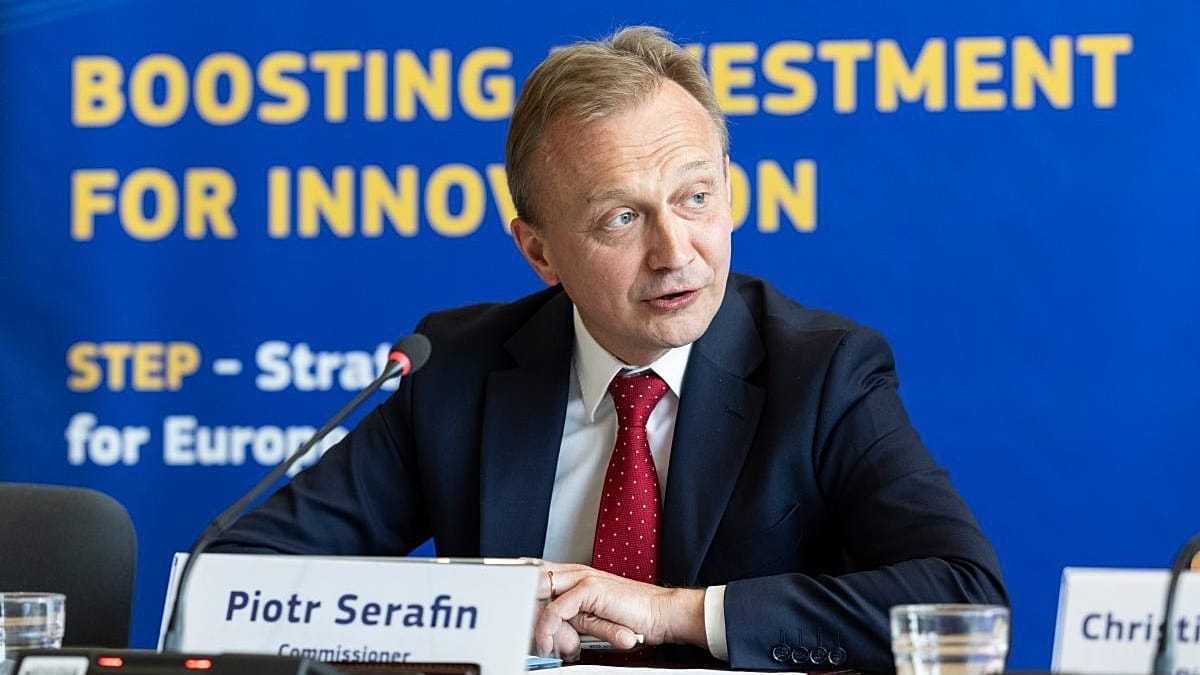
At the center of the debate is a proposed €2 trillion EU budget for 2028-2034, first presented by the European Commission in 2025. While a coalition of fiscally conservative countries wants to trim spending further, Budget Commissioner Piotr Serafin has warned that cutting too deeply may not actually save taxpayers money. His argument is especially relevant for sectors tied to innovation, heritage manufacturing, and premium design, where shared European investment often delivers scale, efficiency, and long-term competitiveness.
Why the EU Long-Term Budget Matters Beyond Politics
The current negotiations pit two broad camps against each other. On one side are the so-called “frugal” member states—Germany, the Netherlands, Denmark, Sweden, Finland, and Austria—which favor a leaner financial framework and are cautious about new EU revenue streams. On the other side are 16 southern and eastern European countries, often described as the “friends of cohesion,” which want stronger backing for agriculture and regional development.
For observers in luxury sectors, the EU long-term budget matters because European funding is rarely confined to abstract policy lines. It can influence:
- Infrastructure that supports design districts and artisan clusters
- Regional development tied to heritage production zones
- Innovation funding for materials, sustainability, and manufacturing
- Cross-border security and logistics that protect supply chains
- Investment conditions for creative industries and premium tourism
Luxury markets often thrive where public investment creates strong ecosystems. When regions receive support for transport, energy, training, or industrial modernization, premium brands benefit indirectly through better operating environments and stronger talent pipelines.
Piotr Serafin’s Warning: Cheaper Is Not Always More Efficient
In Brussels, Commissioner Piotr Serafin challenged the idea that a more frugal budget is automatically a more modern one. His position is straightforward: if strategic spending is removed from the EU level, governments may still need to fund the same priorities nationally. That can create duplication, inefficiency, and fewer economies of scale.
This point is highly relevant to luxury design and premium manufacturing. Europe’s most admired brands often depend on interconnected systems rather than isolated national efforts. Consider how many high-end sectors rely on:
- Shared trade and transport corridors
- Pan-European research networks
- Regional education and skills development
- Coordinated sustainability standards
- Cross-border market access for specialist suppliers
If the EU long-term budget is cut too aggressively, some of these benefits may weaken. In practical terms, that could raise costs for businesses operating across multiple European markets, including luxury houses, furniture makers, architectural studios, and premium interiors brands.
What Budget Cuts Could Mean for Luxury Brands and Decor
Although the budget talks are not specifically about the luxury industry, the knock-on effects are significant. Europe’s luxury economy is deeply linked to regional identity, cultural heritage, and place-based production. Many of the finest materials, artisanal workshops, and design traditions are rooted in areas that also depend on cohesion funding or agricultural support.
1. Pressure on Regional Craft Ecosystems
Luxury decor and luxury design often emerge from specialized local ecosystems—textiles in one region, ceramics in another, fine woodwork somewhere else. If regional funding is constrained, smaller producers may face reduced support for modernization, training, and export readiness.
2. Slower Innovation in Sustainable Luxury
Today’s premium consumer expects sustainability, traceability, and material innovation. EU-backed programs can help firms test circular production models, lower emissions, and modernize supply chains. A narrower EU long-term budget may make that transition slower or more uneven.
3. Higher National Fragmentation
Serafin’s core criticism is that shifting strategic spending back to national budgets risks fragmentation. For luxury brands, fragmented support frameworks can mean inconsistent standards, uneven incentives, and more administrative complexity across borders.
4. Effects on Premium Real Estate and Design Investment
Luxury design does not live only in products—it also shapes hotels, residences, retail flagships, and cultural destinations. European public investment in urban regeneration, mobility, and regional attractiveness can strengthen demand for premium interiors and bespoke design services.
The Latest Negotiation Update
Member states have already reached a draft compromise text that would cut €32.8 billion from the European Commission’s initial proposal. According to reports from officials familiar with the talks, this is only an early step rather than a final settlement. More detailed figures are not expected until at least December, with leaders aiming to secure agreement by the end of 2026.
That timeline matters. Several major European countries face key elections in 2027, and policymakers want to avoid dragging a politically sensitive budget fight into a high-stakes electoral year.
For luxury businesses, the takeaway is clear: the EU long-term budget remains fluid, but the direction of travel will influence the broader economic climate in which premium brands operate.
Why Luxury Stakeholders Should Pay Attention
Executives in luxury brands, interior design firms, and high-end decor businesses should not dismiss this as purely governmental news. Budget architecture helps define Europe’s investment priorities, and those priorities shape the environment for premium commerce.
Key questions worth watching include:
- Will cohesion and regional development funds be reduced further?
- Will new EU revenues be created to support strategic spending?
- How much funding will remain for innovation and competitiveness?
- Will national governments compensate for any cuts—or create fragmented alternatives?
The luxury sector has long benefited from Europe’s combination of cultural capital, industrial excellence, and coordinated market structures. Any shift in that model deserves close attention.
Conclusion: The EU Long-Term Budget Could Shape Europe’s Premium Future
The debate over the EU long-term budget is about much more than accounting. It is a test of how Europe wants to finance competitiveness, regional identity, and strategic investment in the years ahead. For luxury brands, luxury decor, and luxury design, that matters deeply.
Piotr Serafin’s message is a timely one: smaller spending on paper does not always produce lower costs in reality. If Europe wants to preserve its position as the global home of craftsmanship, premium design, and high-value innovation, the EU long-term budget will need to balance discipline with ambition. That balance may ultimately determine how well Europe’s luxury ecosystem performs in the next decade.