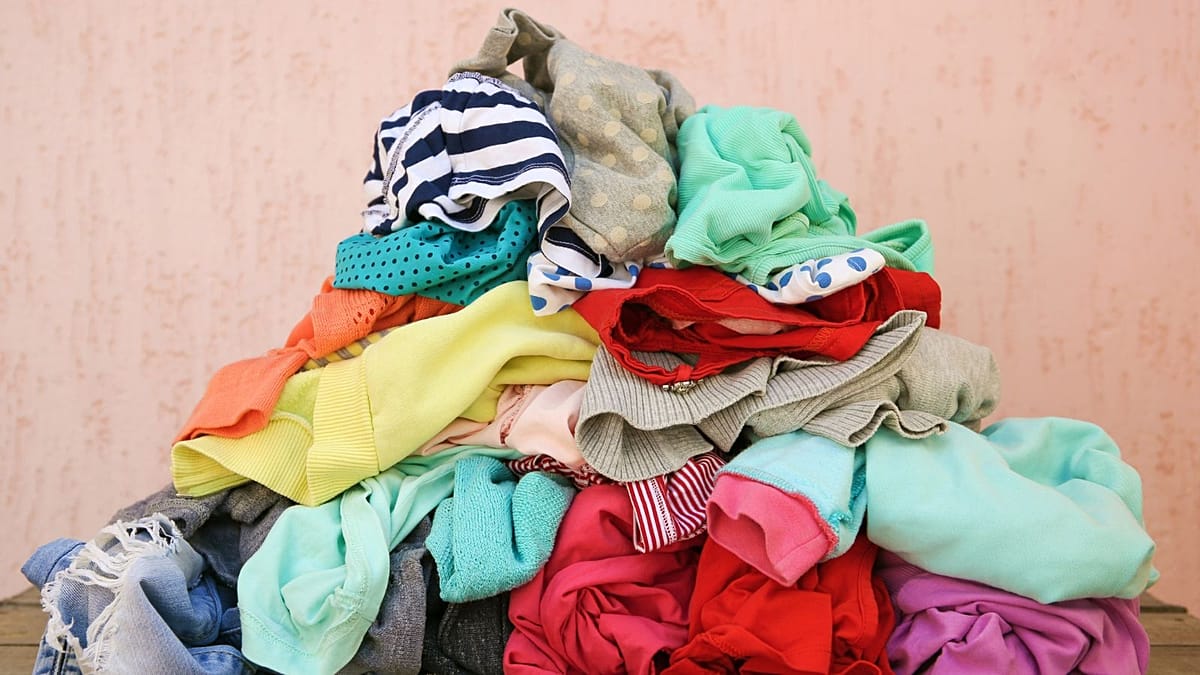
Cheap clothes have never looked more expensive. Behind the ultra-low prices of fast fashion lies a mounting health, environmental and design-quality crisis that is now forcing Europe to act.
A growing body of lab testing and consumer watchdog investigations suggests that toxic fast fashion is far from a niche problem. From jackets treated with PFAS to garments containing excessive phthalates, formaldehyde and heavy metals, many bargain imports sold through major e-commerce platforms may carry risks that go well beyond poor craftsmanship. For consumers who care about luxury brands, luxury decor and luxury design, the issue is also a reminder that true value is about safety, longevity and material integrity—not just trend speed.
Why toxic fast fashion is under scrutiny in Europe
The European Union is tightening oversight on low-value imports as millions of parcels enter the bloc every day from ultra-fast-fashion marketplaces. For years, many of these direct-to-consumer shipments moved from overseas factories to shoppers with limited border inspection, creating gaps in enforcement around chemical safety and product compliance.
That is starting to change. Under new customs measures, incoming packages will require electronic tracking data, giving authorities more power to identify products that may violate EU standards before they reach consumers. The move comes as regulators and consumer groups report strikingly high non-compliance rates in imported apparel, accessories and toys.
According to recent cross-border marketplace audits, 69% of assessed products entering the EU from platforms such as Shein and Temu failed to meet basic European health and safety requirements. That figure has turned toxic fast fashion into a consumer-protection issue, not just a sustainability debate.
What chemicals are being found in clothing?
Many ultra-cheap garments are made with synthetic materials such as polyester, nylon and elastane. These fabrics can involve complex chemical treatments during manufacturing, dyeing, finishing and shipping. When quality control is weak, restricted substances may remain in the final product at illegal or unsafe concentrations.
Key chemicals identified in investigations
- Phthalates: Plastic-softening chemicals associated with hormone disruption, fertility concerns and developmental effects.
- PFAS: Often called “forever chemicals,” these compounds are used for water and stain resistance and can persist in both the body and the environment.
- Formaldehyde: Commonly used to reduce wrinkling and preserve garments during transport, but linked to irritation and allergic reactions.
- Nonylphenol ethoxylates: Chemicals tied to endocrine disruption and broader reproductive concerns.
- Aromatic amines: By-products of certain dyes, some of which are known or suspected carcinogens.
- Heavy metals: Including lead and cadmium, both of which present serious long-term health concerns.
Investigations by groups including Greenpeace, BEUC and national consumer associations found alarming examples: phthalates at many times the legal limit, PFAS in outdoor jackets at extreme concentrations, formaldehyde in children’s clothing and unsafe levels of lead and cadmium in apparel and jewelry. Toxic fast fashion is therefore not defined by one single chemical problem, but by a wider pattern of poor manufacturing oversight.
How toxic fast fashion can affect human health
Clothing sits directly on the skin for hours at a time, which makes chemical exposure especially relevant. Heat, perspiration, friction and damaged skin can all increase the likelihood that substances migrate from textiles to the body. Inhalation also matters, since fabrics can release fibers and chemical residues into the air.
Potential health effects linked to restricted textile chemicals
- Skin irritation and allergies: Formaldehyde and certain finishes can trigger rashes, itching and contact dermatitis.
- Hormonal disruption: Phthalates and other endocrine-disrupting substances may interfere with the body’s hormone systems.
- Developmental risks for children: Infants and young children are more vulnerable because of lower body weight and hand-to-mouth behavior.
- Organ toxicity: Some compounds have been linked to liver, kidney or immune-system damage.
- Cancer concerns: Long-term exposure to certain chemicals, including some aromatic amines and cadmium, has raised carcinogenicity concerns.
Children’s products are especially worrying. Consumer tests have found not only chemical hazards but also physical safety defects, such as swallowable parts and poorly enclosed electronics. That broadens the issue from toxic fast fashion to a wider culture of low-cost, low-compliance consumer goods.
Why this matters to luxury brands and design-minded consumers
At first glance, a story about bargain imports may seem distant from the worlds of luxury brands and luxury design. In reality, it reinforces what premium sectors have argued for years: materials matter, supply chains matter and craftsmanship matters.
High-end fashion and luxury interiors increasingly compete on traceability, cleaner fabrication standards and durability. While luxury is not automatically ethical or non-toxic, the best brands now understand that consumers want more than aesthetics. They want products that are made to last, responsibly sourced and less likely to expose them to questionable substances.
For luxury decor and design audiences, the lesson is broader than apparel. It applies to upholstered furnishings, decorative textiles, rugs and soft goods throughout the home. If low-cost products rely on hidden chemical shortcuts, the price difference may reflect more than marketing—it may reflect the real cost of quality assurance.
How consumers can reduce exposure
No system is perfect, but shoppers can make smarter decisions while regulation catches up.
Practical steps to shop more safely
- Choose brands with transparent supply chains and published chemical policies.
- Look for compliance with EU standards or recognized textile certifications.
- Wash new clothes before first wear to reduce surface residues.
- Be cautious with ultra-cheap waterproof, stretchy or heavily treated garments.
- Prioritize natural or certified low-impact materials where possible.
- Pay special attention to children’s clothes, shoes and accessories.
- Buy fewer, better-made pieces that are designed for long-term use.
These habits will not eliminate every risk, but they can help consumers move away from the worst offenders in toxic fast fashion while supporting better design and manufacturing practices.
Conclusion: the true cost of toxic fast fashion
The appeal of ultra-cheap clothing is obvious, but the hidden trade-offs are becoming harder to ignore. Toxic fast fashion is no longer just a sustainability buzzword; it is a public-health, product-safety and consumer-trust issue backed by repeated testing and regulatory concern.
As Europe increases scrutiny on imported garments, shoppers have an opportunity to rethink what value really means. The clearest takeaway is simple: better materials, stronger standards and slower buying habits are not luxuries—they are becoming essentials.