The Tavolara glamping project has become one of the clearest examples yet of how luxury development can collide with environmental protection in Europe’s most sensitive coastal landscapes. In Sardinia, a proposed upscale tourism scheme backed by Brazilian investors has now lost its government authorisation, marking a major win for residents, civic groups and conservation advocates.
The decision has resonated far beyond Italy because it touches on a bigger question facing luxury brands, hospitality designers and investors: how far can exclusive destination development go when it enters protected natural territory? In the case of Tavolara, authorities ultimately decided that special fast-track rules could not override core landscape safeguards.
Why the Tavolara glamping project mattered
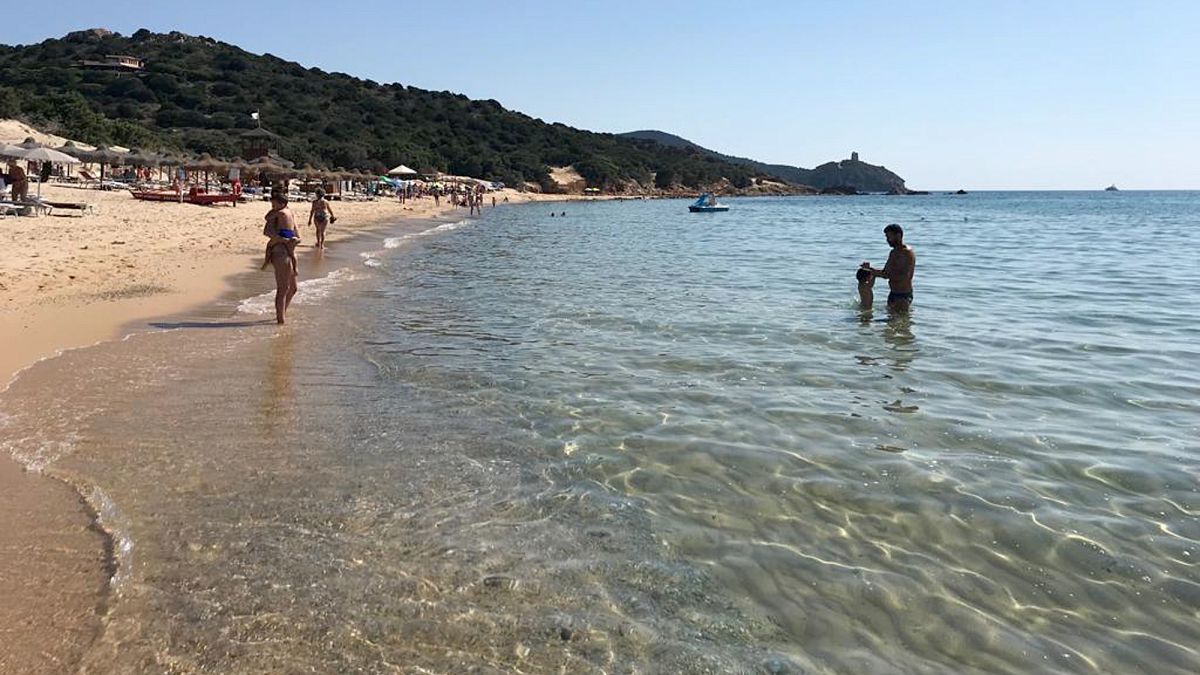
The planned development was located in Cala Finanza, in the municipality of Loiri Porto San Paolo in north-eastern Sardinia, facing the island of Tavolara. The area is known for its striking coastal scenery, ecological value and proximity to high-end tourism destinations.
At the centre of the dispute was a proposal by Tavolara Bay, linked to Brazilian real estate group JHSF, to create a luxury “glamour camping” destination. The concept reportedly included:
- The refurbishment of an existing villa
- The installation of around 20 removable luxury cabins
- A hospitality model positioned as upscale glamping rather than traditional hotel development
On paper, the design may have appeared relatively light-touch compared with a large resort complex. But critics argued that the real issue was not only the scale of the project. It was the legal route used to secure approval.
How special economic zone approval triggered controversy
The Tavolara glamping project gained attention because developers sought to use simplified procedures linked to a special economic zone, known in Italy as ZES. That mechanism is designed to speed up investment approvals, but opponents said it was being used here to bypass strict planning, environmental and landscape controls.
This became especially contentious because the Cala Finanza site sits within a highly protected context. According to reports, the area falls within a marine protected zone where building restrictions are exceptionally severe. It is also covered by Sardinia’s regional landscape plan, which has long limited new coastal construction, including rules preventing building within 300 metres of the sea.
For protesters, the concern was straightforward: if special economic zone procedures could be used here, they could set a dangerous precedent for luxury coastal development elsewhere.
A clash between investment and environmental law
The dispute highlights a growing fault line in luxury travel and design:
- Investors often present glamping and low-density hospitality as more sustainable than conventional resorts.
- Local communities may still see these projects as a gateway to broader commercialisation.
- Environmental groups question whether “light” luxury infrastructure is truly compatible with protected land.
That tension made the Tavolara glamping project far more than a local planning issue. It became a national test of whether premium tourism branding can soften hard environmental boundaries.
Who opposed the Tavolara glamping project?
Resistance to the project came from a wide coalition of residents, civic associations and major environmental organisations. Among the groups publicly aligned against the development were WWF, Legambiente and Italia Nostra, alongside a range of Sardinian local movements and legal advocacy groups.
The protests were not symbolic. Demonstrations, public pressure and legal action all contributed to keeping the issue in the spotlight. The mayor of Loiri Porto San Paolo, Francesco Lai, found himself in the middle of intense local opposition as Sardinians mobilised around the idea that the island’s coastline should not be opened to regulatory shortcuts.
That collective push appears to have worked. Italy’s Department for the South at Palazzo Chigi revoked the authorisation previously granted in February 2026, effectively stripping the project of its green light.
What happens next in Sardinia?
Although the government has withdrawn the approval, the legal and political story is not necessarily over. Sardinian regional president Alessandra Todde had already challenged the matter before the regional administrative court, and the case remains significant as a signal of how regional and national powers may clash over protected coastal land.
The Tavolara glamping project therefore remains important for several reasons:
- It tests the limits of special economic zone procedures in environmentally sensitive areas.
- It underscores the power of coordinated local activism.
- It sends a message to international luxury investors targeting Mediterranean coastlines.
For the luxury hospitality sector, this is a reminder that design-led, experience-driven concepts such as glamping are not automatically shielded from scrutiny. Even removable cabins, adaptive reuse and low-rise planning can face fierce resistance if communities believe the development model undermines protected landscapes.
What this means for luxury brands and design-led resorts
The Tavolara glamping project offers a crucial lesson for luxury brands, architects and developers working in exclusive natural destinations. Today’s consumers may be drawn to eco-luxury, barefoot sophistication and immersive design, but those concepts must rest on credible environmental legitimacy.
For future projects, key takeaways include:
- Compliance matters as much as aesthetics: Beautiful low-impact design cannot compensate for weak planning foundations.
- Protected land demands early stakeholder engagement: Community resistance can reshape or stop even well-funded proposals.
- Luxury positioning raises visibility: High-end tourism projects often attract more scrutiny, not less.
- Sustainability claims must be robust: “Glamping” branding alone does not prove environmental compatibility.
In a market where luxury travel increasingly sells privacy, nature and authenticity, the development industry will need to show that those promises do not come at the expense of fragile ecosystems.
Conclusion: the Tavolara glamping project is a warning to the luxury sector
The revocation of the Tavolara glamping project is more than a local administrative reversal. It is a powerful signal that in Sardinia, landscape protections still carry real force, even when prestigious tourism investment is on the table. For luxury developers and design brands, the takeaway is clear: in iconic natural settings, exclusivity alone is not enough. Long-term success depends on legal transparency, environmental respect and genuine public trust.