


How US Job Growth and Eurozone Labour Strength Could Shape Luxury Architecture in 2026
Luxury architecture does not exist in a vacuum. It responds quickly to shifts in wealth creation, investor sentiment, borrowing costs and consumer confidence—and the latest jobs data from the United States and the Eurozone offers an important clue about where high-end design markets may be headed next. With US hiring slowing sharply while Europe’s labour market remains unusually firm, luxury architecture in 2026 is entering a more regionally divided economic landscape.
That divide matters for developers, interior designers, architects and private clients. When employment softens in one major market but remains resilient in another, the result is often a split in demand for bespoke homes, branded residences, trophy assets and premium interior upgrades. For anyone tracking luxury architecture, this is less a labour story than a signal about future project pipelines.
Luxury Architecture Meets a Two-Speed Economy
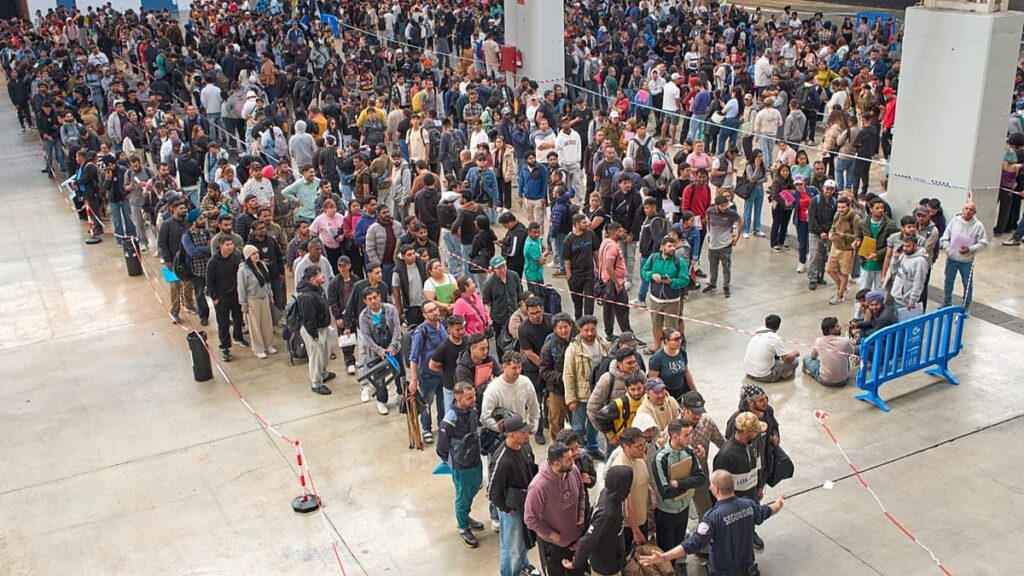
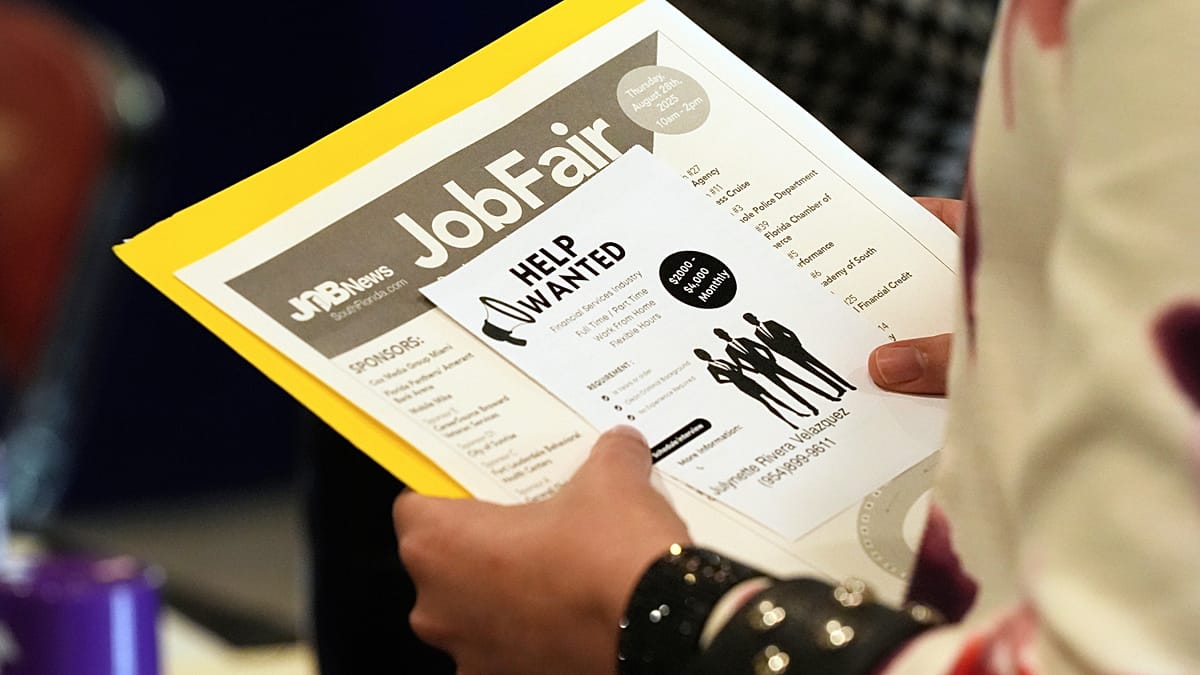
Fresh labour figures show a notable contrast between the world’s two largest advanced economic blocs. In the US, nonfarm payrolls rose by just 57,000 in June, far below expectations and sharply down from the prior month. Even though the unemployment rate edged lower to 4.2%, the weak pace of hiring suggests the American economy may be cooling under higher borrowing costs.
In the Eurozone, by contrast, unemployment held steady at 6.2% in May, matching a record low for the currency area. That resilience points to sustained labour demand and a comparatively stable foundation for spending, investment and confidence.
For luxury architecture, these conditions can influence:
- New development appetite in prime urban and resort markets
- Financing conditions for high-value residential and mixed-use projects
- Demand for luxury interiors and bespoke renovations
- Cross-border investment in design-led real estate
- Buyer psychology among ultra-high-net-worth individuals
Why Slower US Hiring Matters for Luxury Design
The US remains one of the most influential markets for luxury architecture, especially in cities and regions tied to finance, technology, entertainment and global real estate capital. A sharp drop in payroll growth does not automatically mean a collapse in luxury demand, but it can affect the pace and character of the market.
1. Developers may become more selective
When economic data weakens, developers often focus on safer, lower-volume, higher-margin projects. In luxury architecture, that can mean fewer broad speculative launches and more tailored schemes aimed at proven buyer segments. Projects with strong design identity, wellness amenities, privacy features and long-term value may outperform generic upscale builds.
2. Financing could stay restrictive
The Federal Reserve paused rate hikes in June, but the labour data presents a mixed picture. Payroll growth weakened, yet unemployment fell slightly. If inflation remains a concern, rate relief may not arrive quickly. That matters because luxury architecture depends heavily on the cost of capital—especially for large custom homes, boutique condominiums and hospitality-linked residences.
3. Buyers may prioritise enduring value
In uncertain periods, affluent buyers often shift away from flashy excess and toward lasting quality. That benefits luxury design rooted in craftsmanship, sustainable materials, flexible layouts and architectural distinction. In other words, economic caution can push the market toward more thoughtful, investment-grade luxury interiors rather than purely trend-driven statements.
Eurozone Resilience Could Support Premium Real Estate and Luxury Interiors
Europe’s stable unemployment picture gives the region a different momentum. With the labour market holding at a record low unemployment rate, the broader backdrop appears more supportive for premium housing demand, especially in wealth hubs and culturally significant destinations.
For luxury architecture, that could translate into continued interest in:
- Historic property restorations with contemporary luxury interiors
- High-end urban apartments in global gateway cities
- Design-led villas in Mediterranean lifestyle destinations
- Mixed-use developments combining hospitality, wellness and private residences
- Energy-efficient retrofits in heritage and modernist properties
The European Central Bank’s hawkish stance may keep financing costs elevated, but a strong labour market gives policymakers more room to stay firm. For the luxury segment, this may sustain confidence among buyers who view prime real estate as both a lifestyle asset and a store of value.
What This Means for Architects, Designers and Investors
The divergence between the US and the Eurozone is not simply a macroeconomic curiosity. It has practical consequences for the professionals shaping high-end spaces.
Architects
Architects may see growing demand for projects that balance prestige with performance. Clients are likely to ask for timeless design, operational efficiency and adaptability rather than purely symbolic grandeur. Luxury architecture that integrates wellness, sustainability and privacy should remain well positioned.
Interior Designers
Luxury interiors may increasingly reflect “quiet confidence” rather than overt opulence. Expect stronger demand for artisanal finishes, natural stone, layered lighting, custom millwork and curated furnishings with longevity. In softer markets, clients often invest more carefully—but they still spend on spaces that feel unique and deeply personal.
Investors and Developers
Geography may matter more than ever. A softer US labour picture could encourage caution in some domestic submarkets, while Europe’s steadier employment base may keep certain luxury destinations attractive. Investors in luxury architecture will likely focus on scarcity, location quality, design credibility and resilience to interest-rate pressure.
Key Trends to Watch in Luxury Architecture Through 2026
As these labour market trends feed into monetary policy and real estate sentiment, several themes are worth watching:
- Bespoke over broad: Highly customised homes may outperform standard luxury inventory.
- Wellness remains premium: Spas, air quality systems, acoustic privacy and biophilic design stay central.
- Adaptive reuse grows: Especially in Europe, heritage conversions and elegant renovations may gain momentum.
- Design as a hedge: In uncertain periods, exceptional architecture can help protect asset value.
- Regional divergence deepens: Luxury architecture opportunities may differ sharply between US and European markets.
Conclusion: Luxury Architecture Will Follow Confidence, Not Just Wealth
The latest employment data suggests a clear transatlantic split: the US is showing signs of labour market cooling, while Europe remains surprisingly steady. For luxury architecture, that means 2026 may be defined less by blanket global momentum and more by strategic, region-specific opportunity.
The takeaway is simple. Luxury architecture will continue to thrive where confidence, capital and design quality align. In a slower US environment, restraint and value-driven sophistication may lead. In Europe, resilient employment could help sustain premium development and luxury interiors. Either way, the winners in luxury architecture will be the projects that combine beauty, scarcity and long-term relevance.