

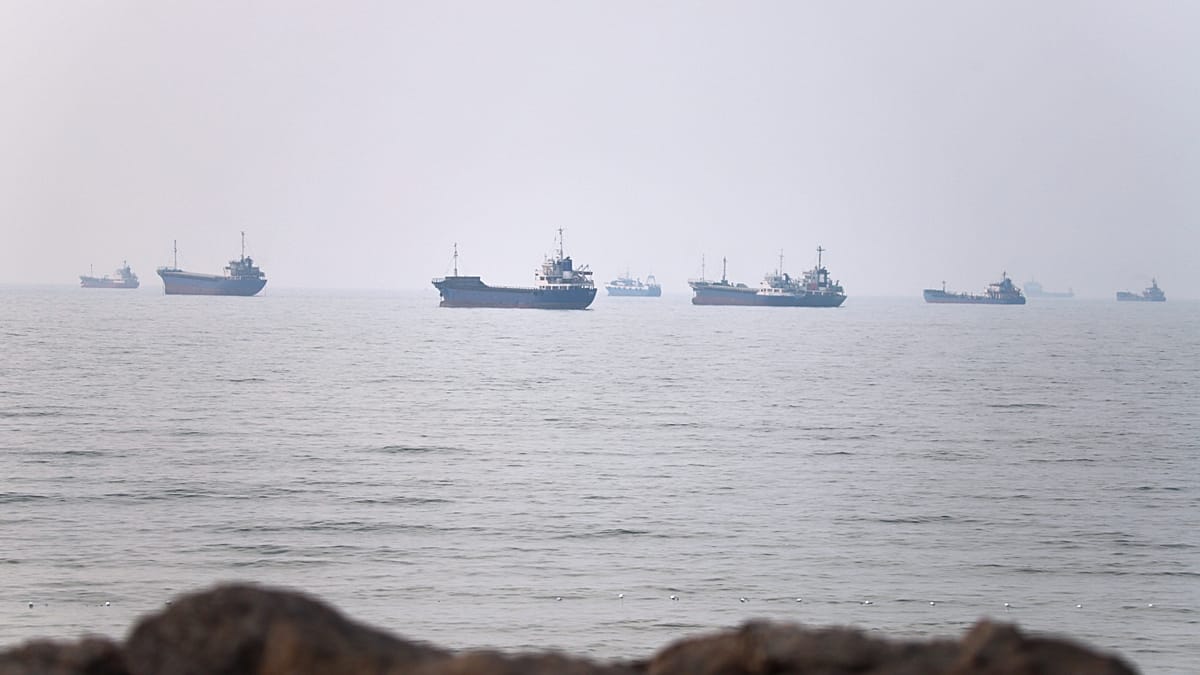
The Strait of Hormuz tensions now unfolding between Iran and the United States may seem distant from the worlds of luxury brands, interiors and high-end design. But for anyone who follows premium manufacturing, global sourcing and the movement of rare materials, this narrow shipping corridor matters enormously. When geopolitical strain rises in one of the world’s most important trade chokepoints, luxury sectors feel the ripple effects fast.
Recent developments point to a fragile balance: Iran renewed warnings to vessels using the Strait of Hormuz, while indirect talks in Doha reportedly ended with cautious progress. For luxury businesses, that combination of risk and diplomacy creates a familiar but uncomfortable reality — uncertainty in logistics, energy pricing and investor confidence.
Why Strait of Hormuz tensions matter to luxury industries
The Strait of Hormuz tensions are not only a foreign policy story. The waterway is a critical passage for global commerce, especially energy shipments. Any threat to navigation, route control or vessel access can affect fuel costs, shipping insurance and delivery times across multiple industries, including luxury.
Luxury brands depend on highly coordinated international supply chains. Even products associated with European craftsmanship or bespoke ateliers often rely on globally sourced inputs, from metals and resins to specialty woods, fabrics, glass and advanced packaging materials. If maritime flows become more expensive or unpredictable, premium brands may face:
- Higher transport and freight costs
- Longer lead times for raw materials
- Increased insurance premiums for shipments
- Pressure on production schedules for seasonal launches
- Margin compression for globally distributed collections
Because luxury operates on precision, scarcity and timing, even small disruptions can have outsized commercial effects.
Doha talks bring cautious progress, not full stability
Diplomatic signals from Qatar and Pakistan suggest that the latest indirect US-Iran discussions in Doha produced “positive progress.” According to officials involved in mediation, the two sides advanced talks on communication channels and alleged violations tied to a prior memorandum. Discussions also reportedly touched on frozen Iranian assets and practical arrangements linked to humanitarian goods.
Still, Strait of Hormuz tensions remain elevated. Iran’s military warning that ships must follow approved routes or risk a forceful response underscores how unresolved the navigation issue remains. The next round of talks is expected only after the funeral proceedings for Ayatollah Ali Khamenei, meaning uncertainty may persist in the near term.
For markets, that means diplomacy is active, but stability is not guaranteed. Luxury executives, sourcing managers and investors are likely to read this as a signal to plan for disruption rather than assume a quick return to normal.
How shipping pressure can influence luxury decor and luxury design
In luxury decor and luxury design, the effects of Strait of Hormuz tensions can be indirect but meaningful. High-end interiors often depend on materials with long, specialized supply chains: natural stone, hand-finished metals, performance lighting components, fine ceramics and custom furnishings built across multiple countries before final installation.
Material costs and project timelines
When energy and freight costs rise, premium design projects become more expensive to execute. That can affect:
- Residential design for ultra-high-net-worth clients
- Hospitality fit-outs for luxury hotels and branded residences
- Retail concepts for flagship stores and showroom launches
Designers and procurement teams may need to reassess specifications, reorder sequencing and storage strategies if shipping lanes become less predictable.
Impact on bespoke production
Bespoke luxury is especially vulnerable to disruption. A made-to-order chandelier, sculptural marble table or artisan wall finish may require multiple cross-border shipments before completion. If the Strait of Hormuz tensions trigger broader transport delays or fuel volatility, project delivery windows can widen, frustrating clients who expect seamless service.
Luxury brands face a new test in resilience
The strongest luxury brands have spent years building resilience after pandemic-era disruptions, inflation shocks and regional conflicts. The latest Strait of Hormuz tensions add another layer to that playbook. While most premium houses will not be directly tied to Gulf shipping routes in a single-source way, the global system they rely on is interconnected.
Expect smart luxury companies to focus on:
- Diversified supplier networks
- Inventory buffers for core materials
- Closer coordination with freight and insurance partners
- Longer planning windows for launches and installations
- Transparent communication with high-value clients
This is particularly important for sectors where exclusivity and punctuality define brand value. Delayed capsule collections, postponed furniture debuts or supply gaps in premium finishes can weaken the customer experience.
The wider geopolitical picture investors should watch
The current moment is shaped by two competing dynamics: military signaling and ongoing mediation. Iran has pushed back hard on external involvement in Hormuz security, while the US and regional partners continue emphasizing freedom of commerce through the strait. At the same time, negotiators appear intent on preserving channels for de-escalation.
Investors tracking luxury equities, high-end real estate, premium hospitality and designer furnishings should monitor several indicators linked to Strait of Hormuz tensions:
- Oil price volatility
- Commercial shipping insurance rates
- Any renewed attacks on vessels or regional bases
- Progress in post-funeral US-Iran talks
- Broader regional fallout involving Lebanon or Gulf states
Luxury performs best in climates of confidence. Geopolitical stress does not automatically collapse demand, especially at the ultra-wealthy end of the market, but it can influence expansion timing, construction schedules and cross-border purchasing behavior.
What luxury decision-makers should do now
For brand leaders, interior specifiers and procurement teams, this is a moment for disciplined contingency planning rather than panic. The Doha talks show that diplomacy remains alive. But the renewed warnings around shipping routes confirm that Strait of Hormuz tensions still pose real commercial risks.
Practical next steps include reviewing supplier exposure, stress-testing delivery schedules and evaluating how freight, fuel and insurance shifts could affect margins. In luxury, reputation is built not only on beauty and craftsmanship, but also on reliability.
In the months ahead, the key takeaway is simple: Strait of Hormuz tensions are more than a headline from the Gulf. They are a strategic signal for luxury brands, luxury decor and luxury design businesses that depend on stable global trade. The companies that prepare early will be best positioned to protect both their operations and their premium promise.