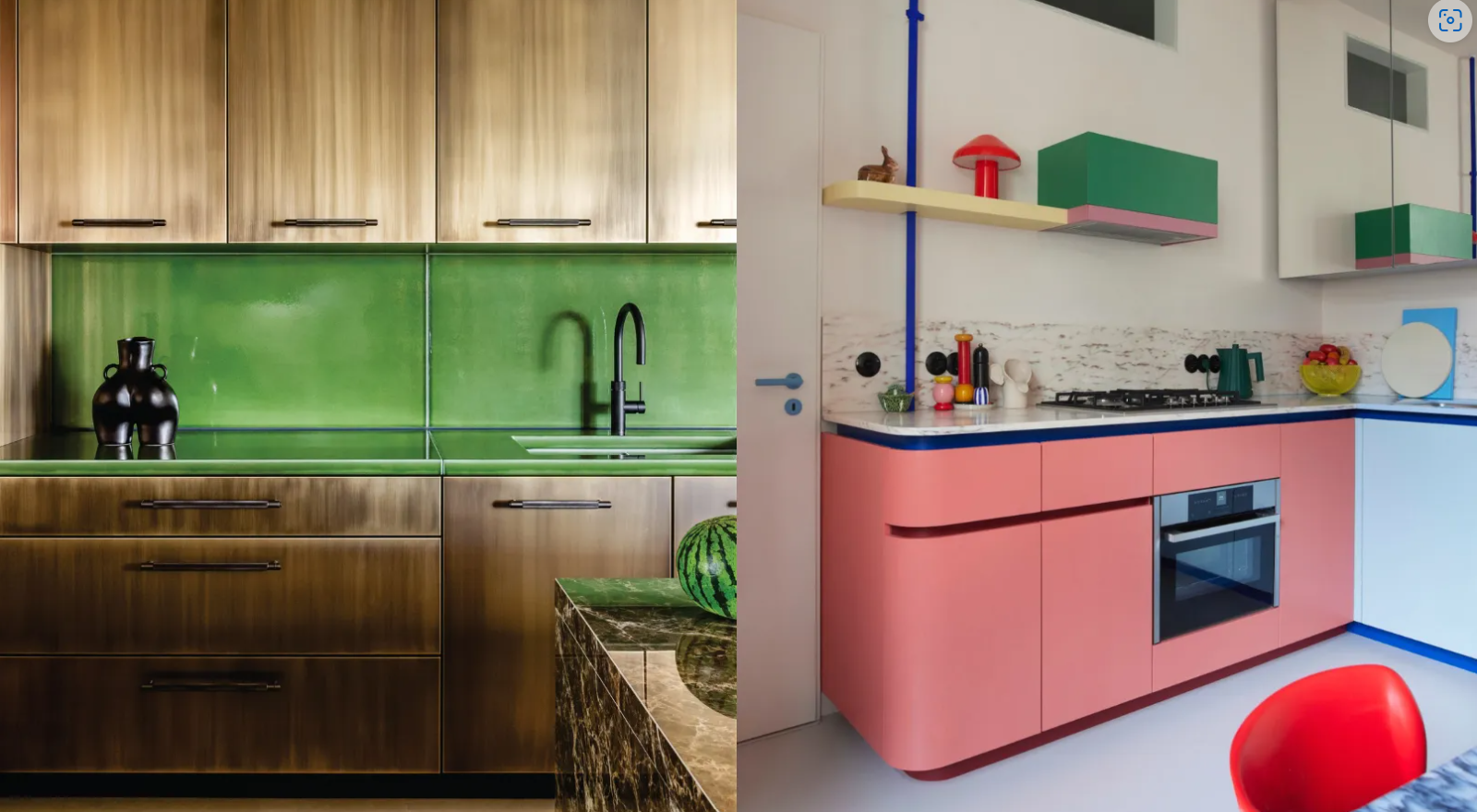


Luxury today is no longer defined by excess alone. In Istanbul, it is being reimagined through craftsmanship, cultural memory and immersive spaces—making Istanbul luxury design one of the most compelling stories in global upscale travel and interiors.
Recent coverage around Turkey highlights a country balancing political tension, major tourism ambitions and a renewed effort to position key cities as cultural capitals. For luxury brands, luxury decor specialists and luxury design enthusiasts, that broader context matters: it shows why Istanbul and Ankara are becoming increasingly important as places where identity, architecture and hospitality intersect.
Why Istanbul luxury design stands out now
The appeal of Istanbul luxury design lies in its ability to merge opposites without losing coherence. The city connects Europe and Asia, old empires and contemporary style, ceremonial tradition and modern comfort. That layered identity gives designers and luxury hospitality groups a rare palette to work with.
Rather than relying on generic five-star aesthetics, many high-end concepts in Istanbul draw from:
- Ottoman architectural forms and palace-inspired proportions
- Natural materials such as marble, brass, carved wood and handwoven textiles
- Hammam rituals, courtyards and water elements as experiential design features
- Bosphorus-facing layouts that turn views into part of the interior story
- Artisanal detailing that elevates rooms, lounges and wellness spaces
This is what makes Istanbul luxury design especially relevant for luxury decor and luxury brand strategy. It offers not just visual richness, but a distinctive sense of place.
Luxury brands are chasing cultural authenticity
Global luxury consumers are increasingly drawn to experiences that feel rooted rather than replicated. That shift is opening opportunities for destinations that can translate heritage into contemporary elegance. Turkey’s recent tourism messaging, including attention on Ankara as a cultural hub and Istanbul as a premium destination, reflects that evolution.
For luxury brands, the lesson is clear: authenticity has become a market advantage. In Istanbul, upscale properties and design-led venues can reference centuries of history while still appealing to modern expectations around privacy, service, wellness and exclusivity.
What luxury brands can learn from Istanbul
- Heritage adds depth: Historical cues create emotional resonance when used thoughtfully.
- Local craft elevates value: Handmade surfaces, ceramics and textiles signal rarity.
- Narrative matters: Guests and buyers want a story behind the design.
- Sensory design wins: Scent, light, texture and ritual are central to premium experiences.
In that sense, Istanbul luxury design is not only a regional trend—it is a blueprint for more meaningful luxury worldwide.
How luxury decor is being shaped by Turkish influence
The strongest luxury decor movements often emerge from places with a confident design language. Istanbul offers exactly that. Its interiors frequently combine grandeur with intimacy: dramatic arches and domes softened by tactile fabrics, antique references balanced by sleek contemporary furniture, and richly layered surfaces offset by calm, symmetrical layouts.
Key signatures influencing luxury decor include:
- Jewel-toned accents inspired by tiles, spices and ceremonial textiles
- Statement stone bathrooms that echo hammam culture
- Brass fixtures and lantern-style lighting for warmth and atmosphere
- Custom woodwork and mashrabiya-style screens for privacy and pattern
- Indoor-outdoor transitions shaped by terraces, courtyards and waterfront views
These elements help explain why Istanbul luxury design resonates with decorators seeking spaces that feel both timeless and current. It is opulent, but rarely cold; historical, but not static.
Ankara’s rise adds a new dimension to Turkey’s luxury design story
While Istanbul remains the visual icon, Ankara’s designation as the 2026 Tourism Capital of the Turkic world points to a broader national design narrative. The Turkish capital is increasingly being framed as a cultural destination in its own right, with museums, civic architecture and heritage institutions contributing to its profile.
For the luxury sector, this matters because design ecosystems rarely thrive in one city alone. As Ankara strengthens its tourism and cultural visibility, it can support:
- Boutique hospitality development
- Design-led retail and gallery experiences
- High-end cultural programming
- Cross-city luxury travel itineraries combining Istanbul and Ankara
This wider context gives Istanbul luxury design more momentum, positioning it within a national story of culture, sophistication and destination branding.
The tensions behind the glamour
No serious discussion of Turkey in 2026 can ignore the wider headlines. Reports of political crackdowns, university disputes, protests and civil liberties concerns create a complex backdrop for the country’s image abroad. For luxury brands and hospitality investors, those developments are not separate from the market—they shape perception, risk assessment and long-term positioning.
At the same time, luxury travel often proves resilient when a destination’s cultural capital remains strong. Istanbul continues to command international interest because its appeal is deeply structural: geography, history, architecture, cuisine and design all reinforce one another.
That complexity may actually sharpen the relevance of Istanbul luxury design. In uncertain times, travelers and consumers often place even greater value on environments that feel intentional, grounded and emotionally transporting.
What’s next for Istanbul luxury design
The next phase of Istanbul luxury design will likely be defined by refinement rather than reinvention. Expect to see more projects that combine sustainability, craft preservation and experiential hospitality. Designers will continue to reinterpret Ottoman and Anatolian references, but with cleaner lines, quieter palettes and wellness-focused planning.
Emerging directions may include:
- Luxury wellness spaces inspired by bathhouse traditions
- Eco-conscious materials paired with historic restoration
- Private residences influenced by boutique hotel design
- Curated collaborations between international luxury brands and Turkish artisans
- More immersive night-time hospitality built around Bosphorus views and cultural programming
For professionals in luxury decor and luxury design, Istanbul is increasingly a city to watch not just for style inspiration, but for strategy.
Conclusion: a luxury language rooted in place
The most memorable luxury environments do more than look expensive—they express identity. That is why Istanbul luxury design is gaining attention across hospitality, interiors and premium branding. It translates history into atmosphere, craftsmanship into exclusivity and geography into emotion.
As Turkey promotes its cultural centers and navigates a complex public landscape, Istanbul remains its most persuasive luxury statement. For anyone tracking the future of luxury brands, luxury decor and destination-led design, Istanbul luxury design offers a clear takeaway: true sophistication is strongest when it is unmistakably local.