The Ukraine frontline stalled in June, reinforcing a striking shift in the war’s battlefield dynamics. After years of attritional fighting and periodic territorial changes, the latest analysis suggests Russian momentum has weakened sharply, with only marginal net gains recorded across the month.
According to data analysed from the Institute for the Study of War (ISW), Russia posted a net gain of just 30 square kilometres in June, mostly in the northeastern Kharkiv region. Even that limited movement appears less significant on close inspection, as much of it reflected earlier incursions being reclassified as confirmed advances rather than fresh breakthroughs. For observers tracking the Ukraine frontline, the bigger story is the broader slowdown that has persisted into 2026.
Ukraine Frontline Analysis Shows a War of Diminishing Movement
The June figures point to an increasingly static battlefield. While Russia added territory in Kharkiv, Ukrainian forces also regained ground elsewhere, including:
- 11 square kilometres in the southern Zaporizhzhia region
- 18 square kilometres in the central Dnipropetrovsk region
These counterattacks remain difficult to fully assess in real time, and analysts caution that the extent of ongoing operations may only become clearer in the coming weeks. Even so, the latest mapping underscores a key reality: the Ukraine frontline is no longer seeing the kind of sustained Russian advances that marked earlier phases of the war.
This cooling of battlefield momentum follows notable reversals for Moscow in April and May, when Russian forces reportedly lost around 403 square kilometres combined. April was especially significant because it marked the first month in more than two years in which Russia gave up more land than it captured.
Why Russian Momentum Has Slowed
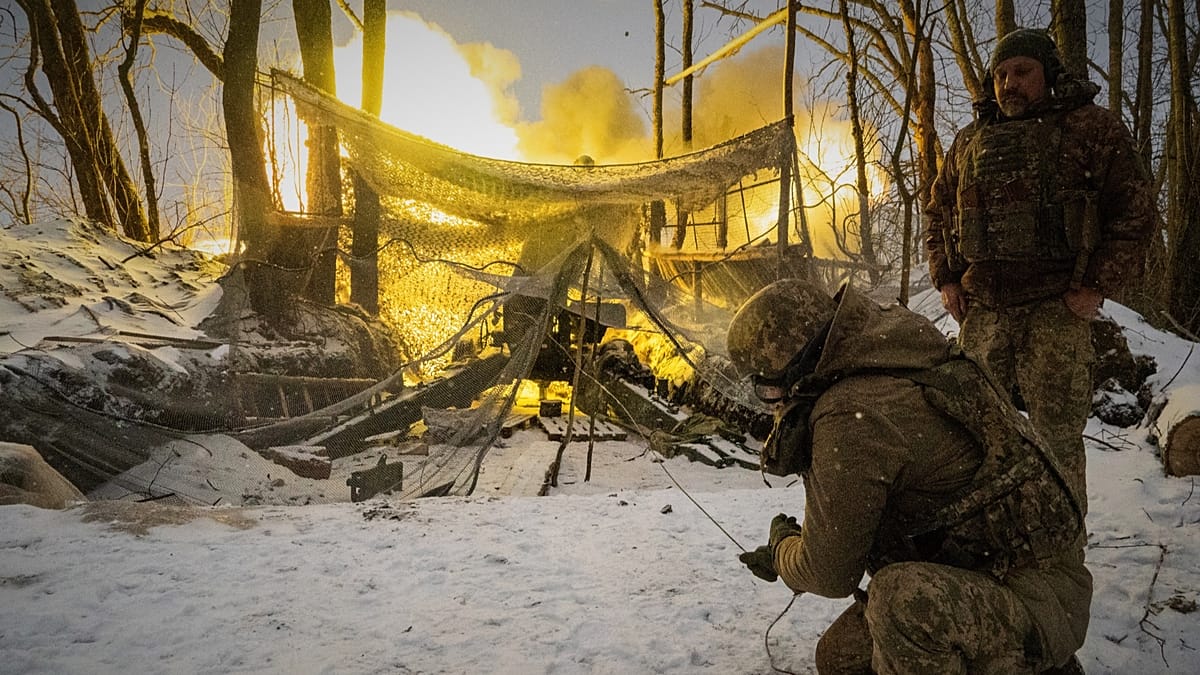
One of the most important factors affecting the Ukraine frontline is the growing effectiveness of Ukrainian drone warfare. Frontline and mid-range strikes have complicated Russian logistics, disrupted troop positioning, and made offensive operations harder to sustain.
That tactical pressure appears to be reshaping the tempo of the war. In 2025, Russian forces advanced an average of 405 square kilometres per month. So far in 2026, that average has dropped dramatically to just 15 square kilometres per month.
Several factors may explain the slowdown:
- Improved Ukrainian battlefield surveillance and strike precision
- Greater use of drones to hit supply lines and staging areas
- High attrition rates affecting Russian manpower and equipment
- Entrenched defensive positions that make offensive breakthroughs more difficult
Together, these pressures suggest that the Ukraine frontline has entered a more contested and less mobile phase, where territorial shifts are smaller, slower, and harder won.
What the June Numbers Really Mean
It is important to read monthly territorial data carefully. Mapping updates do not always reflect new combat activity; sometimes they simply confirm movement that happened earlier but lacked sufficient verification at the time. That appears to be the case for part of Russia’s June gain in Kharkiv.
Analysts also note that some Russian claims are excluded when they cannot be independently confirmed or denied. This means the Ukraine frontline picture is based on verifiable evidence rather than political messaging, but it also means battlefield maps can lag behind fast-moving events.
Even with those limitations, the trend line is clear. Russia still occupies just over 19% of Ukraine, including Crimea and parts of the Donbas that were already under Russian or proxy control before the full-scale invasion in February 2022. However, most of Moscow’s major territorial gains came in the opening stages of the war, not in the current period.
The Human Cost Behind a Frozen Ukraine Frontline
A largely frozen Ukraine frontline does not mean the conflict has become less deadly. The war remains Europe’s deadliest since World War II, with hundreds of thousands killed and millions displaced from their homes.
Recent estimates indicate the conflict has caused more than 2 million military casualties overall, with Russian forces believed to have absorbed the heaviest losses. These numbers highlight the brutal paradox of the current stage of the war: even when front lines barely move, the cost in lives, resources, and destroyed communities remains immense.
The fighting has also transformed entire cities, damaged critical infrastructure, and left vast areas under constant threat from artillery, missiles, and drone attacks. For civilians living near the Ukraine frontline, a “stalemate” still means daily insecurity and continued humanitarian strain.
What to Watch in the Coming Weeks
The next round of battlefield data will be crucial in determining whether June was a temporary pause or part of a lasting pattern. Key indicators to watch include:
- Whether Ukrainian counterattacks in Zaporizhzhia and Dnipropetrovsk expand
- Whether Russia can convert local pressure into verified territorial gains
- The continued impact of Ukrainian drone operations on Russian supply chains
- Any renewed offensives that could shift the Ukraine frontline more decisively
Military analysts will also be looking for signs of force regeneration on both sides. In a war increasingly defined by endurance, industrial capacity, and technological adaptation, raw territorial change tells only part of the story.
Conclusion
The June battlefield picture suggests the Ukraine frontline is hardening into a prolonged contest of attrition rather than rapid manoeuvre. Russia may still control a significant portion of Ukrainian territory, but its ability to make meaningful new gains appears far weaker than it was a year ago.
For policymakers, analysts, and anyone following the conflict, the key takeaway is clear: a frozen Ukraine frontline is not a sign of peace, but of a brutal war entering a slower, more grinding phase. The map may be moving less, yet the stakes remain as high as ever.