Luxury has always reflected the mood of its time. As tens of thousands gathered in Erfurt to oppose Germany’s far-right AfD conference, the moment underscored a broader cultural shift: today, luxury design is no longer judged only by craftsmanship and exclusivity, but also by the values it represents. For brands, collectors, and tastemakers, the AfD protests offer an important lens on how politics, identity, and aesthetics increasingly intersect.
While the demonstrations were political in nature, their implications reach far beyond party conference halls. In Europe especially, consumer expectations are changing. From luxury decor to high-end interiors, audiences are looking more closely at whether design houses align with ideas of inclusion, openness, and social responsibility.
Why the AfD Protests Matter Beyond Politics
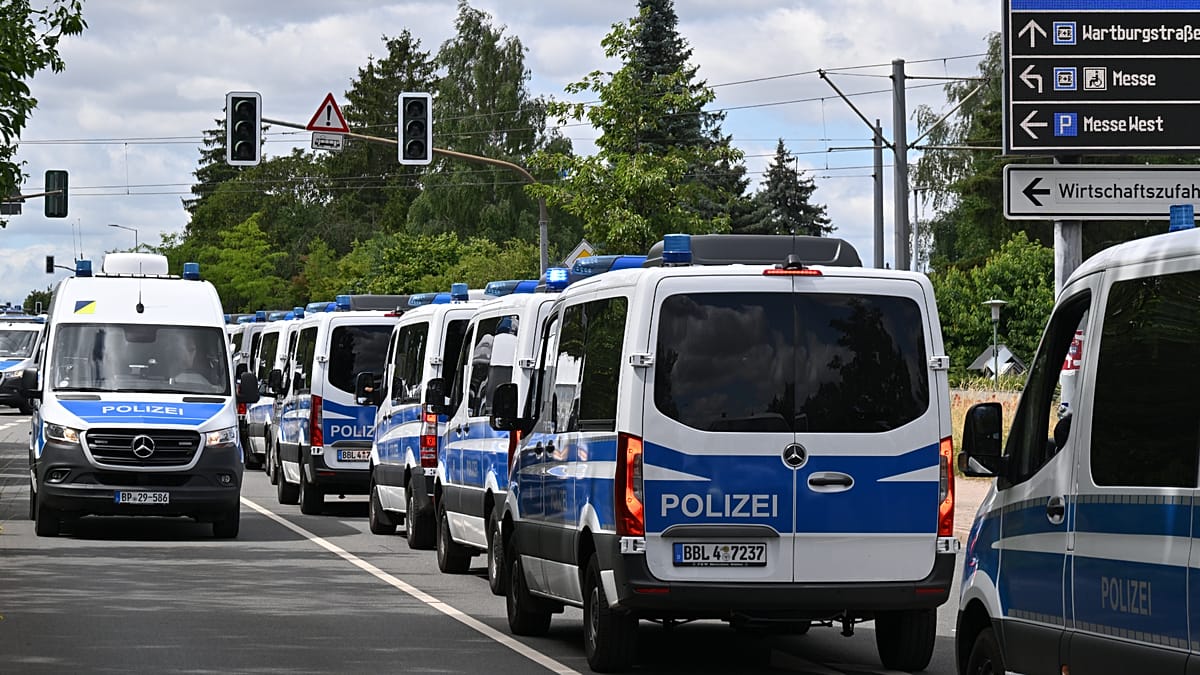
According to reports from Erfurt, around 20,000 people marched in protest against the Alternative for Germany party’s annual conference. Police described the protest as legitimate, though isolated incidents involving paint bombs and fireworks were also reported. Despite disruptions, including blocked roads and tram lines, the conference went ahead as planned.
At first glance, the AfD protests may seem distant from the world of luxury brands. Yet major political demonstrations often reveal deeper public sentiment, and public sentiment shapes markets. In premium sectors, especially those tied to identity and lifestyle, social values can influence everything from campaign messaging to collaborations and event strategy.
The AfD protests also arrive at a time when the far-right party is gaining momentum in national polling, with recent figures placing its support ahead of Chancellor Friedrich Merz’s CDU/CSU bloc. That level of political visibility intensifies scrutiny around how cultural institutions and businesses position themselves in Germany and across Europe.
Luxury Design in an Age of Cultural Accountability
For years, luxury design was largely insulated from direct political analysis. Beautiful objects, refined interiors, and heritage craftsmanship were treated as self-contained markers of taste. That has changed. Consumers now view luxury as part of a larger cultural ecosystem, one that includes ethical sourcing, public values, labor standards, and social messaging.
The AfD protests highlight how strongly many Europeans are willing to mobilize around questions of solidarity, equality, and belonging. Those themes increasingly influence luxury purchasing decisions, particularly among younger affluent buyers.
What this means for luxury brands
- Brand identity matters more: A luxury label’s silence or stance on social issues can shape public perception.
- Events face more scrutiny: High-profile launches, exhibitions, and design fairs are expected to reflect inclusive values.
- European heritage is being redefined: Tradition remains valuable, but not when presented as exclusionary or culturally closed.
- Storytelling must evolve: Craftsmanship alone is no longer enough; customers want meaning alongside material excellence.
In this environment, the AfD protests become part of a wider conversation about what modern European prestige should look like.
From Luxury Decor to Public Mood: The Shift Toward Inclusive Aesthetics
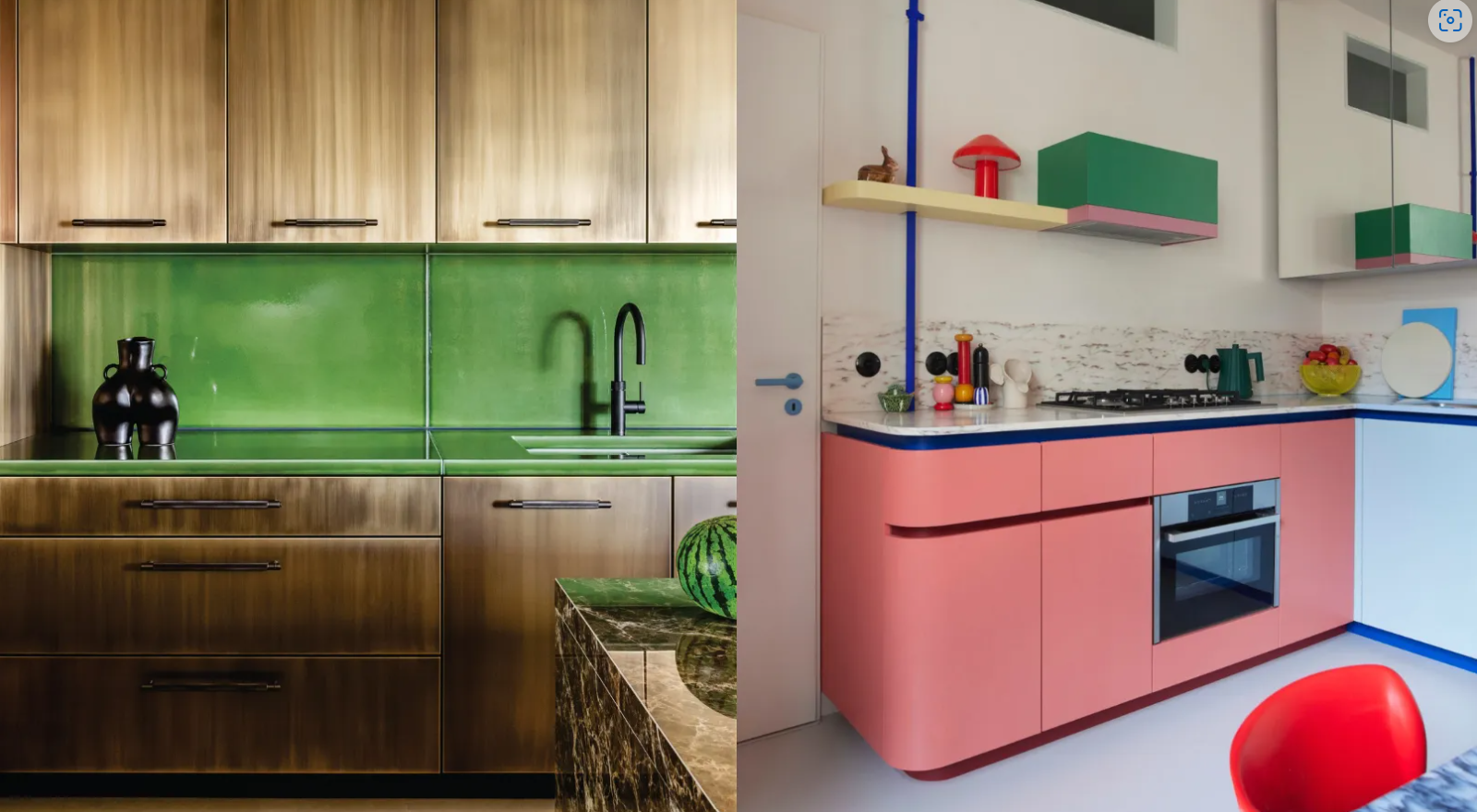
Luxury decor has often drawn inspiration from history, regional identity, and aristocratic codes. But the market is moving toward a more layered idea of sophistication—one that blends heritage with diversity, global influence, and emotional intelligence.
The AfD protests point to a growing rejection of exclusionary narratives. In design terms, that can translate into a preference for spaces and objects that feel open, cosmopolitan, and welcoming rather than rigidly tied to narrow definitions of identity.
How inclusive luxury design shows up in practice
- Global materials and influences: Designers are increasingly mixing European craftsmanship with international references.
- Human-centered interiors: Luxury spaces are being created for comfort, accessibility, and connection, not just visual status.
- Artisanal collaboration: More brands are spotlighting makers from varied backgrounds, broadening the narrative of excellence.
- Soft power aesthetics: Warm minimalism, tactile finishes, and organic forms communicate ease rather than dominance.
These shifts do not stem from one protest alone, but the AfD protests sharpen the context in which such changes are understood.
Why European Luxury Brands Can’t Ignore the AfD Protests
Europe’s leading houses trade not only on quality, but on symbolism. Whether in fashion, interiors, hospitality, or collectible design, prestige brands are custodians of cultural aspiration. The AfD protests remind the sector that aspiration is increasingly tied to democratic values and social awareness.
This is particularly relevant in Germany, a market known for both design excellence and historical sensitivity. Any political moment involving nationalism, immigration, or social division can affect the tone of luxury communications, even indirectly. Consumers may not expect every brand to issue statements, but they do notice patterns: who supports cultural plurality, who invests in communities, and who appears indifferent.
For luxury brands with European roots, there are several practical considerations:
- Review campaign imagery and messaging for cultural nuance.
- Support design initiatives that promote dialogue and diversity.
- Choose event partners and venues with reputational awareness.
- Balance heritage storytelling with a forward-looking, inclusive vision.
In short, the AfD protests are not just a news event; they are a reminder that cultural legitimacy has become a premium asset.
The Future of Luxury Is About More Than Status
Affluence is evolving. Today’s high-net-worth consumer often wants beauty with conscience, exclusivity with openness, and heritage with relevance. That shift affects everything from collectible furniture and boutique hotels to luxury residences and decorative arts.
The AfD protests in Erfurt reveal how intensely values are being debated in modern Europe. For the luxury sector, the lesson is clear: design does not exist in a vacuum. Objects, spaces, and brand worlds all communicate something about the society they imagine and the people they welcome.
Luxury will always celebrate rarity, precision, and refinement. But in a more politically aware marketplace, the most resonant form of prestige may be one that combines exceptional design with cultural intelligence. As the AfD protests continue to frame wider conversations about identity and belonging, brands that embrace thoughtful, inclusive luxury are likely to hold the strongest long-term appeal.
For readers in luxury brands, luxury decor, and luxury design, the takeaway from the AfD protests is simple: in today’s Europe, values are becoming part of the design brief.