


Trump, Meloni and NATO: Why a Diplomatic Feud Is Shaping Europe’s Political Climate
Luxury brands and luxury design do not exist in a vacuum. They thrive in climates shaped by diplomacy, confidence and global power signals. That is why the latest clash between Donald Trump and Giorgia Meloni ahead of the NATO summit in Ankara matters far beyond politics: it feeds a wider atmosphere of uncertainty that can influence everything from investor sentiment to the cultural mood surrounding luxury decor and premium European identity.
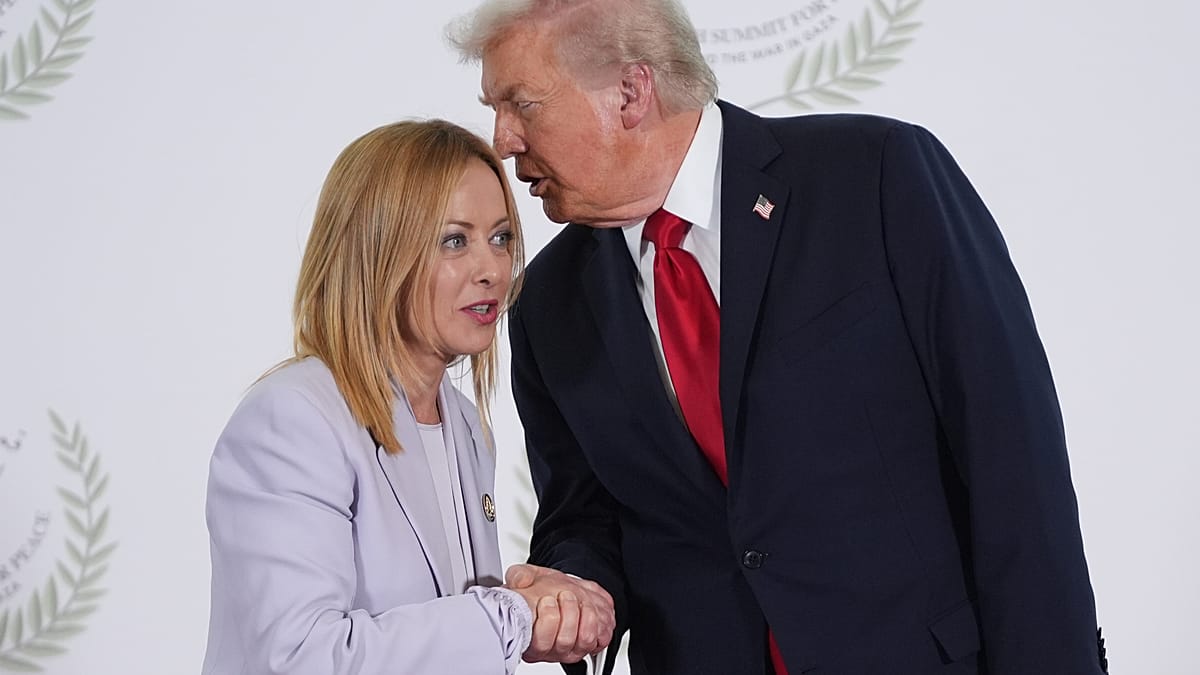
In the latest escalation, Trump shared an image of himself with the Italian prime minister on Truth Social, pairing it with a taunting caption suggesting she “needs a restraining order.” The post landed just before the high-stakes NATO meeting in Ankara, intensifying scrutiny of already strained US-Italy relations and adding another layer of tension to an alliance under pressure.
Trump, Meloni and NATO tensions deepen before Ankara
The current Trump, Meloni and NATO dispute did not emerge overnight. It follows weeks of increasingly personal rhetoric and strategic disagreement between Washington and Rome. Italian media reports indicate that Meloni’s government chose not to publicly retaliate this time, preferring restraint over escalation. That decision is politically significant: it suggests Rome wants to protect its diplomatic standing before the summit rather than amplify a personal confrontation.
At the same time, reactions across Italy show the issue has moved beyond a passing insult. Political figures from different camps have condemned Trump’s language, framing it as inappropriate and unbecoming of an ally. In diplomatic terms, the concern is not just tone but timing. Public attacks just before a major NATO gathering risk undermining trust at the exact moment unity is most needed.
Why the latest post matters
- It personalises a strategic disagreement between two allied countries.
- It arrives on the eve of an important NATO summit.
- It reinforces the narrative of deteriorating US-Italy relations.
- It raises questions about alliance discipline and diplomatic protocol.
For observers of European influence, this matters because Italy is not simply another member state. It is a cultural powerhouse whose image affects sectors tied to prestige, craftsmanship and national branding.
How the Trump, Meloni and NATO row began
The Trump, Meloni and NATO fallout has roots in broader foreign policy differences that reportedly became clearer in spring 2026. Areas of friction have included the Middle East, Iran, Trump’s criticism of Pope Leo XIV and Italy’s apparent reluctance to align fully with some US expectations inside NATO.
The relationship worsened sharply after Trump claimed in a June interview that Meloni had “begged” him for a photo during the G7 and that he agreed only “out of pity.” Meloni firmly denied the allegation, saying the remarks were entirely fabricated and insisting that neither she nor Italy “beg.” The controversy triggered strong reactions in Italy and reportedly contributed to the cancellation of a planned US visit by Foreign Minister Antonio Tajani.
Seen in sequence, the social media post before Ankara looks less like an isolated provocation and more like another step in a deepening rupture.
A pattern of public antagonism
Several elements define the current pattern:
- Personalisation: policy differences are being expressed through direct insults.
- Public theatre: social media is replacing closed-door diplomacy.
- Alliance strain: bilateral friction is spilling into NATO politics.
- Symbolic damage: rhetoric is affecting perceptions of national stature.
What Trump’s NATO criticism means for Europe
The Trump, Meloni and NATO confrontation is unfolding alongside Trump’s broader attack on the alliance itself. He recently described the US relationship with NATO as “one-way” and “not reciprocal,” pointing to military spending figures to support his argument. That message echoes a longstanding burden-sharing complaint, but the sharper tone suggests a more combative phase in transatlantic politics.
For Europe, the implications are serious. NATO relies not only on military budgets but also on political trust, message discipline and a shared sense of strategic purpose. When a leading member publicly disparages both the alliance and one of Europe’s most visible leaders, uncertainty grows.
That uncertainty can ripple into markets and sentiment, especially in countries like Italy, where political image and national confidence are closely tied to premium sectors. Luxury brands, luxury decor houses and high-end design studios all benefit from a stable, admired national story. Geopolitical friction can weaken that story, even indirectly.
Why this matters to luxury sectors
For readers focused on luxury brands, luxury decor and luxury design, political tensions may seem distant, but they help shape the environment in which aspirational industries operate. Italy’s global reputation is built on elegance, authority, artistry and soft power. When its leadership becomes the target of international ridicule, the symbolic backdrop changes.
This does not mean a diplomatic row will immediately affect sales of furniture, fashion or interiors. But over time, political instability can influence:
- international investor confidence in European premium markets
- consumer perceptions of national prestige
- the tone of international media coverage around Italy
- the strength of Europe’s soft-power appeal
In luxury, perception is never a minor detail. It is part of the product itself.
What to watch at the Ankara summit
The next signals will likely come from how leaders behave in Ankara. Will Meloni continue the strategy of disciplined silence? Will Trump escalate his rhetoric further? And will NATO members attempt to close ranks around alliance unity despite the public friction?
Key issues to monitor include:
- whether US-Italy relations stabilise after the summit
- how other European leaders respond privately and publicly
- whether burden-sharing disputes dominate NATO messaging
- if personal clashes begin shaping formal diplomatic outcomes
The summit may not resolve the Trump, Meloni and NATO dispute, but it will show whether the confrontation remains symbolic or starts to alter real alliance dynamics.
Conclusion: the Trump, Meloni and NATO clash is about more than personality
The Trump, Meloni and NATO controversy is not just another social media spectacle. It reflects a deeper tension over leadership, alliance expectations and Europe’s place in a more volatile transatlantic relationship. For Italy, the episode touches national dignity and diplomatic positioning. For Europe, it raises fresh concerns about NATO cohesion. And for industries tied to image, heritage and prestige, it is a reminder that politics and perception are closely linked.
The clear takeaway is this: when political symbolism turns hostile, the effects can travel well beyond government halls. In a world where reputation drives influence, the Trump, Meloni and NATO clash is a story every European-facing industry should watch closely.