

Luxury travel is no longer defined only by private pools, fine dining and five-star service. In 2026, the rise of the skilliday is transforming how affluent travellers experience Europe, replacing passive escapes with immersive, design-rich opportunities to learn, create and connect.
New survey data highlighted by Euronews, based on research from Mastercard across more than 27,000 travellers in 28 European countries, shows that nearly half of Europeans plan to learn a new skill on holiday this summer. For luxury architecture, luxury design and luxury interiors, that shift matters: today’s most desirable trips are increasingly set inside beautifully crafted spaces where the environment itself becomes part of the lesson.
Why the skilliday trend matters in luxury travel
The skilliday trend reflects a deeper change in traveller priorities. Rather than collecting souvenirs, many holidaymakers now want meaningful experiences they can take home in the form of knowledge, practice and personal transformation. According to the survey, 48% of respondents want to learn a new skill while travelling, and 42% are willing to pay more for a trip that offers authentic learning opportunities.
That premium mindset aligns naturally with the luxury sector. High-end travellers are often seeking:
- Curated, intimate experiences
- Access to expert local makers and chefs
- Architecturally distinctive settings
- Slow, intentional itineraries over crowded tourist circuits
- Emotional value that outlasts a traditional purchase
In that context, a skilliday is more than a trend label. It is a new framework for experiential luxury, one that blends craftsmanship, cultural immersion and beautiful surroundings.
How architecture and interiors elevate the skilliday experience
One reason the skilliday concept feels so compelling is that learning is profoundly shaped by place. A pottery class in a restored stone farmhouse, a cooking workshop in a minimalist coastal villa or a textile lesson inside a historic palazzo offers more than instruction. The architecture, materials and atmosphere enrich the experience.
Design as part of the memory
In luxury travel, setting is never incidental. Travellers who book skill-based holidays are often drawn to spaces with a strong sense of identity, including:
- Boutique hotels with heritage restoration and artisanal detailing
- Private villas with regionally inspired interiors
- Design retreats focused on craft, wellness and creativity
- Rural estates where workshops are integrated into the landscape
These locations support a more sensory form of travel. Natural light in an artist’s studio, handcrafted joinery in a workshop space, or a chef’s kitchen finished in local stone and timber can all deepen the emotional impact of a skilliday.
The rise of immersive, spatial storytelling
Luxury interiors are increasingly being designed to facilitate participation rather than observation. Instead of merely admiring a space, guests now want to use it, learn in it and remember how it felt. This is especially relevant for hospitality brands that want to stand out in a market where experiences carry more weight than amenities alone.
Properties that successfully support the skilliday movement often combine aesthetics with function: workshop tables, demonstration kitchens, meditation rooms, craft studios and outdoor learning pavilions all turn design into a living part of the guest journey.
What European travellers want to learn on a skilliday
The Mastercard findings reveal broad interest across practical, cultural and creative disciplines. The most popular skill categories for a skilliday in 2026 include:
- Learning basic language phrases and conversation skills
- Culinary workshops with local chefs
- Food and drink production, such as cheesemaking
- Wellness and movement, including meditation and martial arts
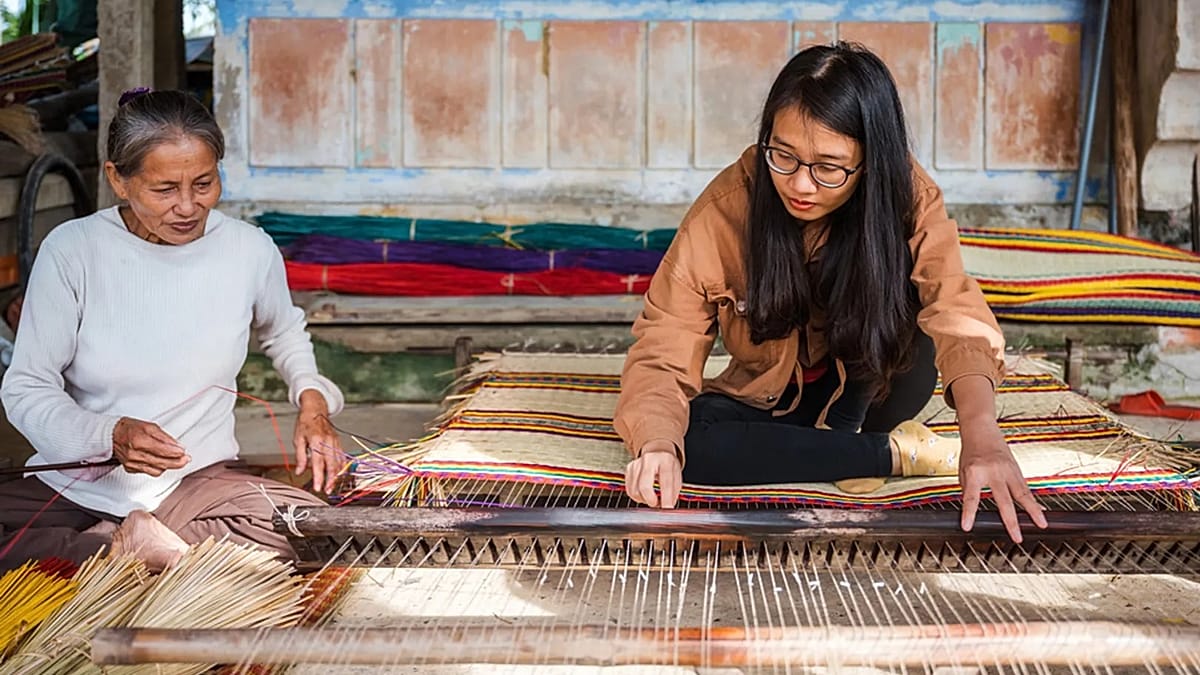
- Traditional crafts like weaving, woodworking and textiles
- Creative arts such as photography, painting and writing
- Sports and active skills, including skiing, surfing and hiking
- Outdoor and survival skills like foraging and navigation
- Heritage crafts and traditional techniques
- Sustainable living skills, including permaculture and conservation
For the luxury market, several of these categories have particular design relevance. Culinary travel intersects with bespoke kitchen spaces and local table culture. Traditional crafts connect naturally with material heritage, interior styling and artisanal production. Creative arts pair well with secluded, visually rich destinations that inspire concentration and expression.
Gen Z is driving the skilliday boom
Younger travellers are leading the skilliday movement, with 57% of 18- to 24-year-olds planning a skill-based holiday and 52% of travellers aged 25 to 34 following closely behind. This matters because these generations are redefining luxury itself.
For them, prestige is less about visible excess and more about access, originality and purpose. A handwoven textile workshop in Italy, a photography retreat in Croatia or a farm-to-table culinary masterclass in Romania can feel more aspirational than a generic resort stay.
This demographic also responds strongly to authenticity, sustainability and local identity. That makes design-led destinations especially attractive when they showcase regional materials, vernacular architecture and true cultural craftsmanship rather than polished sameness.
Why skill-based travel benefits smaller destinations
Another reason the skilliday trend is gaining momentum is its potential to shift tourism away from overcrowded hotspots. Skill-based experiences often happen in smaller towns, rural landscapes and quieter seasonal windows, where local makers, chefs and wellness practitioners can host travellers more meaningfully.
For luxury hospitality and property developers, this opens exciting opportunities:
- Create high-end retreats in under-the-radar destinations
- Partner with regional artisans for exclusive programming
- Preserve historic buildings through adaptive reuse
- Position design and craftsmanship as core brand assets
In this way, the skilliday is not just changing itineraries. It is influencing where luxury investment, placemaking and cultural tourism may grow next.
The future of luxury travel is learned, not just booked
The strongest takeaway from the skilliday trend is simple: travellers increasingly want holidays that leave them changed. They want to return with better taste, sharper skills, deeper cultural understanding and memories anchored in extraordinary spaces.
For brands operating across luxury architecture, luxury design and luxury interiors, that means experience design is becoming just as important as visual design. The most compelling destinations of the next few years will not simply look beautiful; they will teach, inspire and invite participation.
As European travellers embrace the skilliday, luxury travel enters a more meaningful era, one where the finest souvenir may be a new craft, a new ritual or a new way of seeing the world.