
South Aegean’s 2028 World Region of Gastronomy Bid Puts Greek Island Luxury in the Spotlight
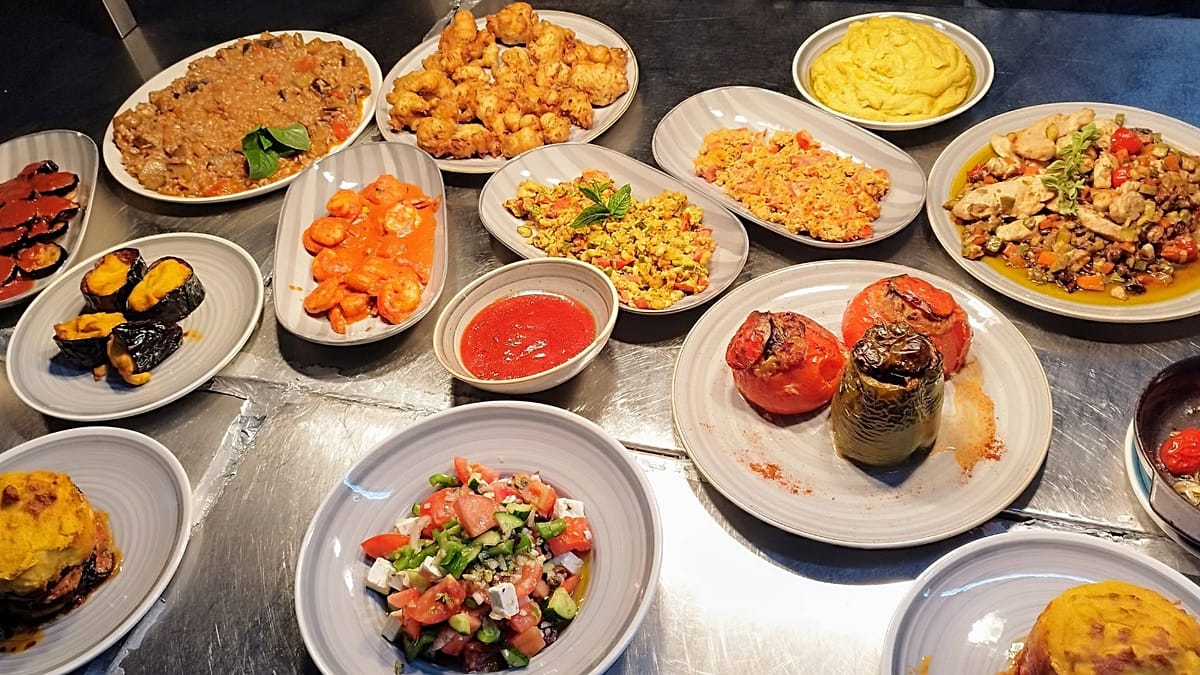
The South Aegean World Region of Gastronomy bid is more than a tourism headline—it is a powerful statement about how luxury today is being redefined through authenticity, craftsmanship and place. As Greece’s island region competes for the 2028 title, the South Aegean is positioning its culinary heritage as a premium lifestyle asset, where refined travel, elevated design and gastronomic identity meet.
For readers in the worlds of luxury brands, luxury decor and luxury design, this story matters because gastronomy is no longer separate from high-end living. It shapes destination branding, boutique hospitality, interior concepts and the kind of immersive experiences affluent travellers increasingly seek.
Why the South Aegean World Region of Gastronomy Bid Matters
The South Aegean has officially submitted its candidacy for the World Region of Gastronomy 2028 title, awarded by IGCAT, the International Institute of Gastronomy, Culture, Arts and Tourism. This is a notable step for Greece, as the South Aegean is the first Greek region to pursue this specific global distinction.
The bid builds on momentum created by the region’s earlier recognition as European Region of Gastronomy in 2019. Since then, local authorities and partners have expanded support for food festivals, promoted island producers internationally and elevated chefs as ambassadors of Aegean culinary culture.
At its heart, the South Aegean World Region of Gastronomy campaign highlights the value of the region’s 50 inhabited islands. Their cuisine is rooted in local agriculture, seasonal produce, maritime traditions and a hospitality culture that has become synonymous with the Greek island experience.
Luxury Travel Meets Island Gastronomy
The luxury sector has increasingly embraced food as a marker of exclusivity and emotional connection. In that sense, the South Aegean World Region of Gastronomy effort aligns perfectly with modern high-end travel trends.
Today’s affluent traveller is not just looking for a five-star suite or a private yacht transfer. They want:
- Curated tasting experiences featuring local ingredients
- Access to winemakers, artisans and chef-led storytelling
- Bespoke cultural itineraries tied to place
- Sustainable hospitality with a strong sense of identity
The South Aegean offers all of this naturally. From the Cyclades to the Dodecanese, island cuisine combines simplicity and refinement—fresh seafood, indigenous wines, sun-grown vegetables, herbs, cheeses and recipes shaped by centuries of exchange across the Mediterranean.
That kind of culinary landscape has clear luxury value. It inspires destination resorts, high-concept restaurants, villa experiences and design-led hotels that want to communicate understated sophistication rather than generic opulence.
How Gastronomy Influences Luxury Design and Decor
One of the most compelling angles of the South Aegean World Region of Gastronomy story is its crossover appeal with luxury design. Food culture does not exist in isolation; it influences how spaces are imagined, furnished and experienced.
Materiality and local identity
Island gastronomy often translates into interiors through tactile, regional materials. Think hand-thrown ceramics, linen table settings, sculpted stone, olive wood accents and muted palettes inspired by salt, sand and sea. These elements help luxury decor feel grounded and timeless.
Experiential hospitality
Boutique hotels and private residences increasingly design dining spaces as central lifestyle stages. Open-air kitchens, wine cellars, chef’s tables and curated outdoor dining areas reflect a market where culinary ritual is part of design prestige.
Craft as a luxury signal
The same values that define exceptional food—traceability, heritage, craftsmanship and quality—also define premium interiors and design objects. In that sense, the South Aegean World Region of Gastronomy narrative supports a broader luxury language built around authenticity rather than excess.
A Regional Strategy Built on Sustainability
What makes this bid especially relevant is that it is not simply promotional. The South Aegean has framed its application around long-term sustainable development, education and local economic resilience.
According to the regional plan, the 2028 programme includes more than 50 initiatives. These are expected to focus on:
- Gastronomic routes across the islands
- Cultural experiences tailored to each island’s identity
- Waste reduction through the Gastro Zero Waste programme
- Support for agri-food businesses and producers
- Educational programmes for young people and industry professionals
- Documentation of local gastronomic heritage
- Stronger cooperation between island regions
This matters in the premium market because sustainability is now inseparable from luxury credibility. High-net-worth consumers and global hospitality brands increasingly favour destinations that protect biodiversity, support local communities and build meaningful cultural ecosystems.
The South Aegean World Region of Gastronomy initiative speaks directly to that shift, presenting the islands as both aspirational and responsible.
The Stakeholders Behind the Bid
A major strength of the candidacy is the breadth of institutional support behind it. The regional stakeholder alliance includes 12 bodies from the Cyclades and Dodecanese, among them chambers of commerce, hotel associations, the University of the Aegean, cultural federations, chefs’ organisations and wine industry representatives.
That collaborative structure gives the South Aegean World Region of Gastronomy bid real depth. It is not centred on a single campaign or seasonal trend; it is supported by tourism, academia, food producers, hospitality leaders and cultural institutions working toward a common identity.
For luxury observers, that kind of ecosystem is often what separates a fashionable destination from a lasting global brand.
What This Could Mean for Greece’s Premium Positioning
If successful, the South Aegean’s bid could elevate Greece’s international standing not only in gastronomy but in luxury lifestyle positioning overall. The country already has strong recognition in high-end travel, but a title of this calibre would sharpen its message around culinary excellence, regional diversity and sustainable sophistication.
It could also create ripple effects across sectors such as:
- Luxury hospitality development
- Destination branding and cultural tourism
- Artisanal food and wine exports
- Interior design inspired by island living
- Experiential retail and premium lifestyle partnerships
In a market where affluent consumers are drawn to heritage-rich, sensorial experiences, the South Aegean is offering something uniquely persuasive: a luxury proposition anchored in taste, landscape and living tradition.
Conclusion: A Luxury Story Told Through Food
The South Aegean World Region of Gastronomy bid is ultimately a story about more than cuisine. It shows how food can become a vehicle for cultural prestige, sustainable development and luxury differentiation. By linking local production, biodiversity, design sensibility and hospitality, the region is crafting a vision of island luxury that feels both contemporary and enduring.
Whether or not the title is secured in 2028, the South Aegean World Region of Gastronomy campaign already signals where the future of premium travel and design is heading: toward authenticity, regional character and experiences that nourish both lifestyle and place.