

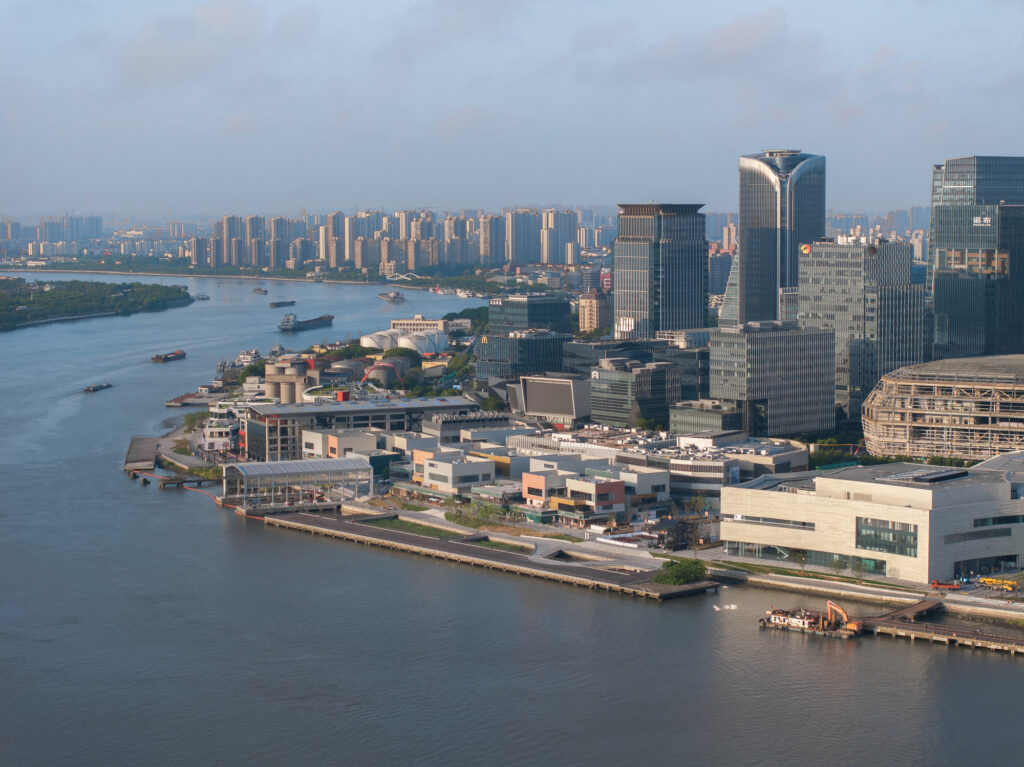
Architecture News: Shanghai’s Shift From Expansion to Enhancement Redefines Luxury Urban Living
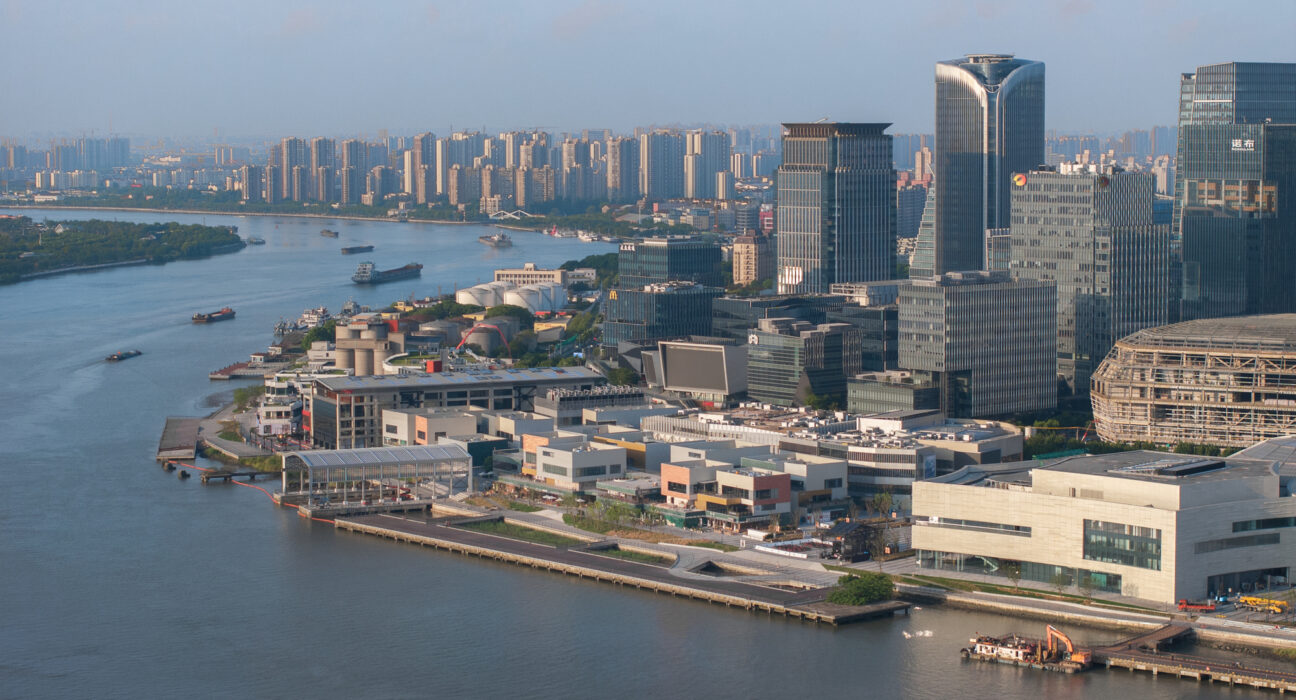
Architecture news rarely signals a deeper urban turning point as clearly as Shanghai’s latest development framework. Instead of building endlessly outward, the city is embracing a more refined model of growth—one focused on upgrading what already exists, improving quality of life, and creating resilient, design-led neighborhoods that feel more luxurious, efficient, and human-centered.
This strategic transition from “incremental expansion” to “connotative enhancement” reflects a broader rethinking of how world-class cities should evolve under land constraints, economic recalibration, and rising expectations for better living environments. For readers interested in luxury architecture, luxury home design, and the future of premium city life, Shanghai’s approach offers a compelling blueprint.
Architecture News: Why Shanghai Is Changing Its Urban Development Model
For decades, many major cities measured success by how much they expanded—more districts, more towers, more infrastructure, more land converted into urban use. Shanghai is now pivoting away from that model. Its new framework places tighter controls on additional land consumption and instead asks a more sophisticated question: how can existing urban space be reimagined to deliver higher performance, greater comfort, and stronger long-term value?
At the heart of this shift is a people-oriented planning philosophy. Rather than treating urban development as a simple accumulation of buildings, Shanghai is pursuing a layered strategy that improves:
- Functional quality across neighborhoods
- Public space vitality and usability
- Residential resilience and livability
- The adaptive reuse of underperforming sites
- The overall experience of daily urban life
In the context of architecture news, this is significant because it moves urban policy closer to the principles that define luxury design: precision, curation, quality over quantity, and thoughtful enhancement of experience.
From Expansion to Enhancement: What “Connotative” Growth Really Means
The phrase “connotative enhancement” may sound technical, but its implications are highly tangible. It suggests that cities can grow in value without necessarily growing in footprint. Instead of relying on new sprawl, development potential is unlocked through the “reproduction” of existing space—revitalizing blocks, upgrading infrastructure, renewing housing, and making established districts more adaptable and desirable.
This approach is especially relevant to luxury architecture and luxury home markets, where premium value increasingly comes from context, craftsmanship, wellness, and access—not simply square footage.
Key principles behind the enhancement model
- Urban renewal over raw expansion: Existing neighborhoods are improved rather than displaced by outward growth.
- Efficiency of land use: Scarce urban land is treated as a high-value asset requiring careful stewardship.
- Quality-led planning: The emphasis shifts from speed and volume to performance and design excellence.
- Human-centered environments: Streets, public amenities, and mixed-use ecosystems are prioritized to support everyday life.
- Resilience and adaptability: Buildings and districts are expected to meet future social, environmental, and economic needs.
As a piece of global architecture news, Shanghai’s strategy underscores a mature phase of urbanism—one where refinement becomes the new frontier of growth.
How Urban Renewal Supports Luxury Architecture and Design
Luxury is no longer defined solely by exclusivity or scale. In today’s built environment, it also means intelligent planning, seamless services, elegant infrastructure, and surroundings that enhance wellbeing. Shanghai’s framework aligns naturally with this upgraded definition of luxury.
Urban renewal can create premium outcomes in several ways:
- Better residential environments: Upgraded housing stock, greener streets, and improved community services elevate daily living.
- More distinctive neighborhoods: Renewal often preserves local character while introducing contemporary design language.
- Higher-quality public realm: Walkability, landscaping, waterfronts, and shared amenities increase a district’s desirability.
- Stronger long-term value: Thoughtful enhancement can sustain property appeal more effectively than speculative expansion.
For the luxury home sector, this means buyers and investors may increasingly value homes in revitalized, design-forward districts where convenience, identity, and urban sophistication are deeply integrated.
The luxury home lesson in Shanghai’s framework
One of the most important lessons from this architecture news story is that premium living increasingly depends on the quality of the urban ecosystem around a home. A beautifully designed residence gains far more value when paired with resilient infrastructure, cultural vibrancy, curated public space, and a neighborhood designed for human comfort.
That is why urban enhancement matters not only to planners, but also to architects, interior designers, developers, and homeowners focused on long-term luxury.
Why Existing Space Is the New Development Frontier
Shanghai’s emphasis on unlocking potential within existing urban fabric reflects a powerful global trend. As land becomes more limited and sustainability goals become more urgent, cities are being pushed to mine value from what they already have. This does not mean merely renovating old structures—it means strategically reprogramming, reconnecting, and upgrading urban assets.
Examples of this mindset can include:
- Repurposing obsolete buildings for new residential or mixed-use functions
- Improving aging residential compounds with modern amenities
- Reclaiming fragmented urban spaces for community use
- Strengthening transit-linked development in established districts
- Enhancing streetscapes to support commerce, leisure, and wellness
In luxury design terms, this is akin to restoring a historic estate with contemporary systems and timeless finishes rather than replacing it with something generic. The goal is enhancement with intelligence.
What This Architecture News Means for the Future of Global Cities
Shanghai’s framework could influence how other dense, ambitious cities approach the next era of development. The message is clear: when expansion is constrained, innovation must become more spatially strategic and more people-focused.
This has several broader implications:
- Urban planning will become more surgical: Targeted interventions may replace blanket expansion.
- Design quality will matter more: Every upgrade must do more with less space.
- Luxury will become more contextual: High-end value will be tied to neighborhood performance, not just private interiors.
- Resilience will define prestige: Cities and homes that adapt well will command greater long-term appeal.
For professionals in luxury decor, luxury home decor, and luxury design, the takeaway is equally relevant. Interiors do not exist in isolation. The future of premium living will be shaped by the surrounding urban framework—mobility, services, greenery, heritage, and spatial coherence all contribute to what feels truly elevated.
Architecture news often focuses on the newest skyline icon, but Shanghai’s more profound innovation may be its decision to refine rather than simply enlarge. By prioritizing urban renewal, functional quality, and people-centered resilience, the city is showing how enhancement can become a new form of luxury. For designers, developers, and homeowners alike, the lesson is powerful: the next generation of exceptional living will come not just from building more, but from making existing places dramatically better.