
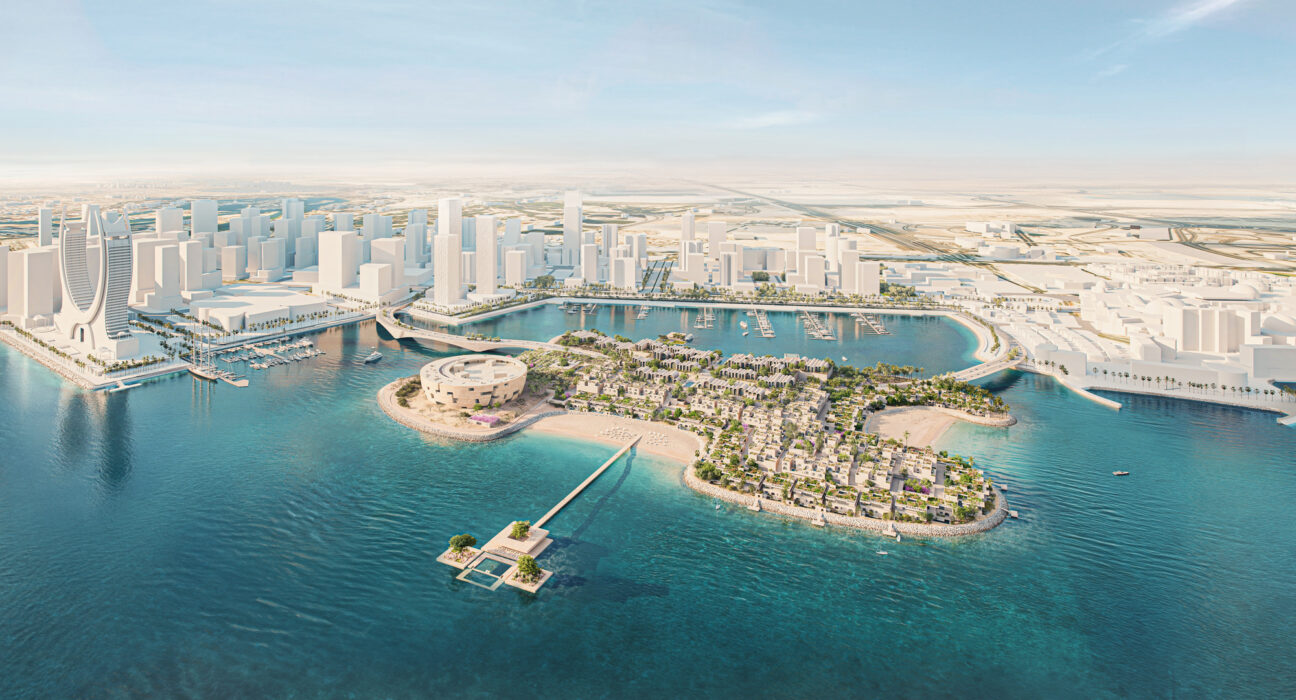
Architecture news rarely captures the imagination quite like a major cultural project in the Gulf, and the latest reveal from Herzog & de Meuron does exactly that. New images of the Lusail Museum on Qatar’s Al Maha Island offer a striking look at a future landmark that blends sculptural form, civic ambition, and luxury-driven cultural design.
Positioned within one of the region’s most closely watched development zones, the Lusail Museum signals more than the arrival of another high-profile institution. It reflects Qatar’s continued investment in iconic architecture, destination-making, and refined public spaces that resonate across luxury architecture, luxury design, and the broader world of curated lifestyle environments.
Architecture News: A Closer Look at the Lusail Museum
The newly released visuals present the Lusail Museum as a bold and monolithic composition, characteristic of Herzog & de Meuron’s ability to create buildings that feel both elemental and contemporary. While the published material is limited, the imagery suggests a museum conceived as an architectural object in dialogue with its island setting, coastal light, and the larger urban vision of Lusail.
For followers of architecture news, this project stands out for several reasons:
- Global design pedigree: Herzog & de Meuron remains one of the world’s most influential architectural practices, known for cultural buildings that redefine their context.
- Strategic location: Al Maha Island positions the museum within a luxury-focused destination environment.
- Cultural significance: Museums in Qatar increasingly function as symbols of national identity, tourism growth, and soft power.
- Visual impact: The new renderings emphasize massing, symmetry, and a memorable silhouette suited to an international cultural icon.
In the context of current architecture news, the Lusail Museum joins a growing list of projects that use monumental form to create emotional and civic presence.
Why Al Maha Island Matters in Luxury Architecture
Location is central to the museum’s appeal. Al Maha Island has emerged as a high-end leisure and hospitality destination, making it an especially compelling setting for a cultural institution of this scale. Rather than existing in isolation, the museum appears positioned to contribute to a broader ecosystem of luxury experiences, waterfront development, and destination architecture.
This matters for readers interested in luxury architecture and luxury home trends because major public projects often shape the design language of surrounding developments. When a museum of this caliber enters a district, it can influence everything from adjacent residences and boutique hotels to interior palettes, landscaping strategies, and premium materials.
Key design implications include:
- Elevated spatial drama that often inspires residential and hospitality design.
- Material richness associated with prestige architecture and collectible interiors.
- Integrated indoor-outdoor planning suited to waterfront climates.
- Statement silhouettes that translate into luxury design and decor trends.
As a result, this piece of architecture news reaches beyond architecture professionals and into the worlds of luxury decor and luxury home decor, where cultural buildings increasingly serve as mood boards for elite living.
Herzog & de Meuron’s Signature Influence
Herzog & de Meuron has built a reputation for designing museums and public buildings that feel deeply rooted in place while remaining unmistakably contemporary. Their work often explores texture, volume, and atmosphere rather than relying on superficial spectacle alone. The Lusail Museum appears to continue that approach.
Even from early images, several likely themes emerge:
Sculptural Simplicity
The building’s form appears powerful without being overly fragmented. That restraint is a hallmark of sophisticated design, especially in projects aiming for longevity rather than trend-driven novelty.
Contextual Monumentality
In much of today’s architecture news, monumental architecture is shifting away from excess and toward quiet authority. The Lusail Museum seems to embody that evolution, using mass and geometry to create presence.
Light and Material Expression
Qatar’s intense natural light can transform architecture throughout the day. Museums designed for this environment often rely on surfaces, shadow, and proportion to generate visual depth. That dynamic also connects strongly to luxury interior design, where tactile finishes and controlled illumination are prized.
What the Lusail Museum Signals for Luxury Design Trends
One reason this architecture news story resonates is its relevance to broader design culture. Landmark museums frequently set the tone for emerging aesthetics, especially in premium real estate and interiors. The Lusail Museum’s imagery points to several trends likely to influence luxury design in the near future.
1. Monumental Minimalism
Expect to see more demand for interiors and residences that pair clean lines with oversized forms, substantial materials, and gallery-like calm. This aesthetic works particularly well in luxury homes where scale and restraint create a sense of exclusivity.
2. Earth-Toned Sophistication
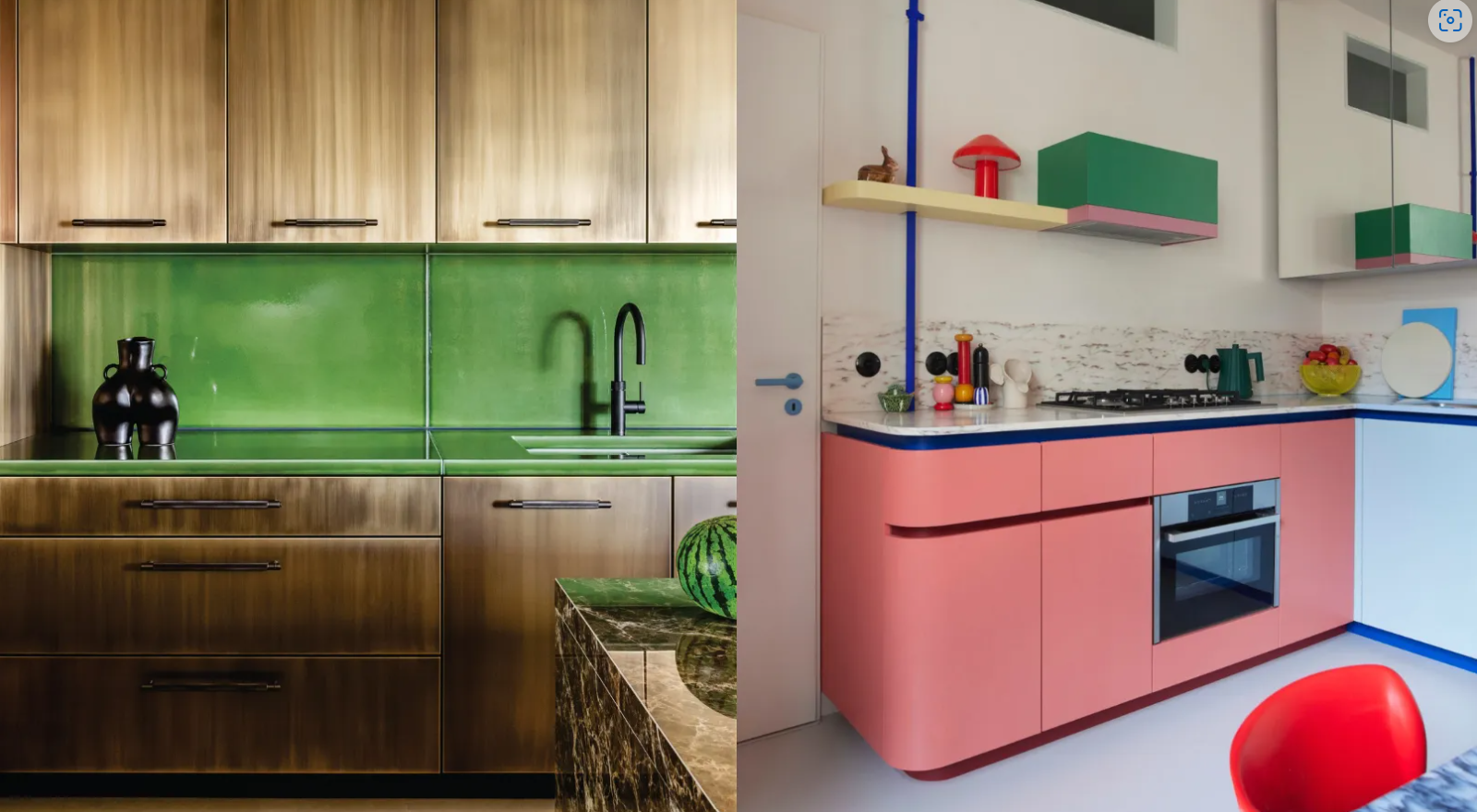
Buildings in desert and coastal environments often inspire palettes rooted in sand, stone, bronze, and muted mineral tones. These shades translate effortlessly into luxury home decor through plaster walls, natural stone surfaces, and warm metals.
3. Cultural Collectibility
As museums become central to destination branding, homeowners and designers increasingly seek interiors that feel curated rather than merely decorated. Think collectible furniture, artisanal finishes, and spaces that evoke a private gallery experience.
4. Seamless Resort-Living Influence
Because Al Maha Island is associated with upscale leisure, the museum’s presence reinforces the desirability of resort-style living: shaded terraces, framed water views, sculpted landscaping, and calming architectural rhythm.
For anyone tracking architecture news, these crossover effects are a reminder that major institutional projects often shape the future of luxury residential taste.
Qatar’s Expanding Role in Global Architecture News
Qatar continues to position itself as a serious patron of world-class architecture, commissioning projects that combine cultural ambition with international visibility. The Lusail Museum adds to that narrative by reinforcing the country’s interest in landmark design, museum culture, and place-making on a global stage.
This is why the project matters beyond its immediate site. In international architecture news, Qatar is no longer simply a client for spectacle; it is a laboratory for how architecture, tourism, art, and luxury development can operate together. The museum’s unveiling supports that perception and strengthens Lusail’s identity as a city of design-led aspiration.
Conclusion: Why This Architecture News Story Deserves Attention
The latest images of the Lusail Museum suggest that Herzog & de Meuron is shaping another destination-defining cultural landmark for Qatar. From its commanding form to its prestigious island setting, the project sits at the intersection of art, urban identity, and luxury living.
For readers following architecture news, the Lusail Museum is more than a visual update. It is an early signal of where high-end cultural architecture is headed: toward sculptural clarity, immersive place-making, and design influence that extends from museums into luxury architecture, luxury decor, and the future of the luxury home.