
Architecture news rarely captures the imagination quite like a major museum unveiling in the Gulf. The newly released images of Herzog & de Meuron’s Lusail Museum offer a striking preview of a cultural landmark set to reshape Qatar’s luxury design landscape on Al Maha Island.
Positioned at the intersection of art, identity, and destination architecture, the Lusail Museum represents more than a new building. It signals Qatar’s continued investment in world-class cultural infrastructure, while reinforcing the region’s growing influence in luxury architecture, luxury home inspiration, and elevated spatial design. For readers drawn to iconic forms, curated interiors, and the future of global museum design, this project is one to watch closely.
Architecture News Spotlight: A New Cultural Icon for Qatar
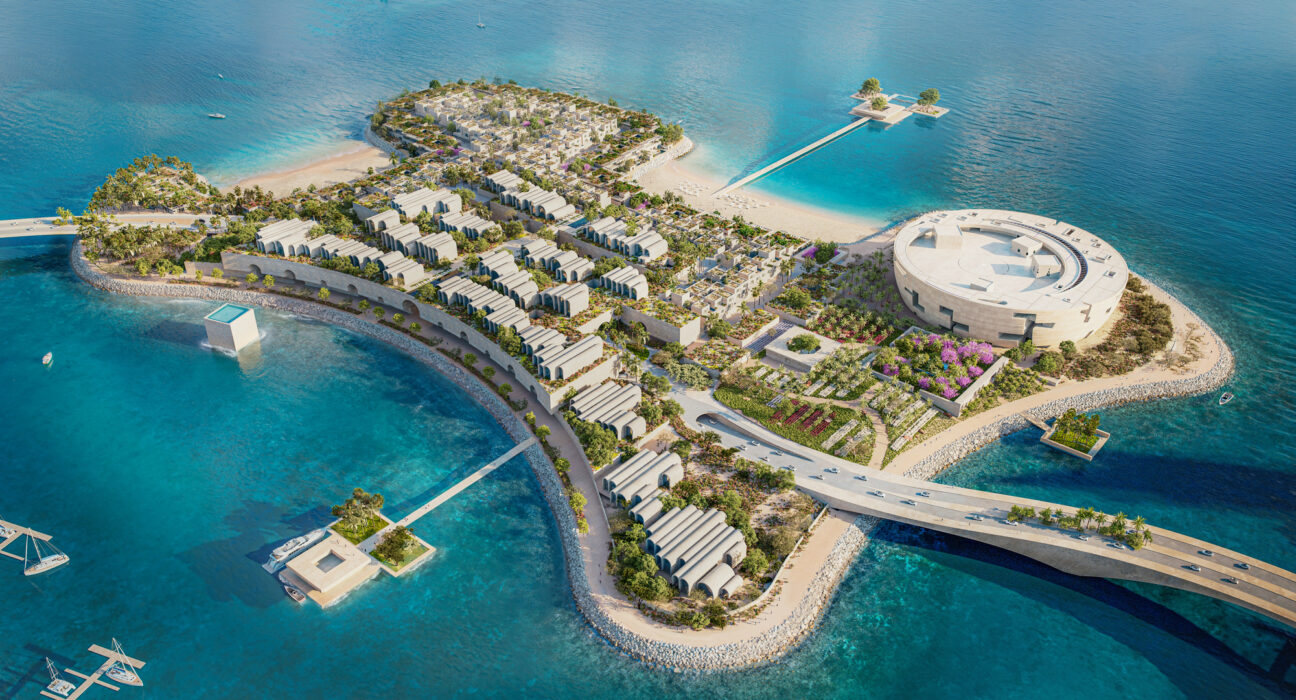
The latest architecture news surrounding the Lusail Museum centers on newly unveiled visualizations by Herzog & de Meuron, the acclaimed Swiss architecture firm known for transforming cultural buildings into international landmarks. Planned for Qatar’s Al Maha Island, the museum appears poised to become a defining feature of the waterfront and a major destination within the broader Lusail development.
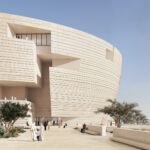
While the released material focuses on imagery rather than technical detail, the project already communicates a strong architectural identity. The design language appears monumental yet refined, using sculptural massing and rhythmic geometry to create a structure that feels both rooted in place and globally significant. This balance is central to Herzog & de Meuron’s best work, and it is likely to be a key reason the museum is generating attention across luxury design circles.
Why the Lusail Museum Matters
- It expands Qatar’s portfolio of internationally recognized cultural institutions.
- It adds a signature architectural destination to Al Maha Island.
- It reinforces the role of museums as lifestyle and tourism anchors.
- It offers inspiration for luxury decor and high-end material expression.
A Landmark by Herzog & de Meuron
Any architecture news tied to Herzog & de Meuron carries weight, and for good reason. The practice has built a reputation for architecture that is intellectually rigorous, materially sophisticated, and visually unforgettable. In the case of the Lusail Museum, the newly released images suggest a design that prioritizes form, atmosphere, and civic presence.
The museum’s silhouette appears composed of repeating vertical elements and layered volumes, producing a sense of depth and monumentality. Rather than relying on decorative excess, the design seems to embrace disciplined geometry and carefully controlled texture. That restraint gives the project a distinctly luxurious character—one based on proportion, light, and permanence rather than ornament alone.
For those who follow luxury architecture, this approach is especially compelling. The building demonstrates how high-end design can feel dramatic without becoming theatrical, and how cultural architecture can achieve emotional impact through mass, rhythm, and spatial clarity.
Design Qualities Suggested by the New Images
- Sculptural presence: The museum reads as an object in the landscape, designed to be seen from multiple vantage points.
- Material richness: Though details remain limited, the imagery suggests a tactile, carefully curated exterior palette.
- Climate responsiveness: Deep forms and layered surfaces may help manage light and heat in Qatar’s environment.
- Destination appeal: The building is conceived not just as a museum, but as a complete visual experience.
Al Maha Island and the Rise of Luxury Design Destinations
This piece of architecture news is also significant because of where the museum will stand. Al Maha Island has emerged as a high-profile destination associated with hospitality, leisure, and premium experiences. The addition of a major museum elevates that identity further, blending cultural prestige with the aspirational qualities often found in luxury home, luxury decor, and lifestyle-driven developments.
In today’s design economy, architecture is increasingly expected to do more than serve a function. It must create a sense of place, support tourism, reflect local ambition, and generate global visibility. The Lusail Museum appears designed with all of those goals in mind. Its presence on the island is likely to strengthen the connection between architecture and branded luxury environments, where curated experiences extend from urban planning to interior atmosphere.
That broader relevance is why this architecture news story resonates beyond museum specialists. Designers, developers, and homeowners often look to cultural buildings for inspiration—especially when it comes to spatial drama, material palettes, and the use of natural light.
What Luxury Home and Decor Enthusiasts Can Learn from the Project
Although the Lusail Museum operates on an institutional scale, its design ideas translate surprisingly well into the residential world. This is where architecture news becomes valuable to readers interested in luxury home decor and luxury design trends.
Key takeaways include:
- Bold geometry: Strong lines and repeated forms create instant visual identity in both homes and large public buildings.
- Textural minimalism: A restrained palette can still feel opulent when surfaces are rich and well detailed.
- Light as a luxury: Filtered daylight, shadow play, and dramatic openings can elevate interiors without clutter.
- Statement architecture: Memorable spaces often begin with a clear formal concept rather than added decoration.
For luxury home projects, these principles can inspire everything from façade design to interior styling. Think sculpted walls, layered neutral finishes, stone surfaces, and architectural lighting that shapes mood rather than simply illuminating a room. The same thinking that makes a museum unforgettable can make a residence feel curated and timeless.
Why This Architecture News Story Has Global Impact
The Lusail Museum is not just another rendering release. It reflects a broader global shift in which cultural institutions are becoming symbols of national vision and design excellence. In that context, this architecture news story matters because it shows how Qatar continues to use architecture as a form of cultural diplomacy and long-term legacy building.
The project also highlights the ongoing appeal of museum architecture as a benchmark for innovation. These buildings often introduce ideas that later influence hospitality spaces, luxury residential design, and premium retail environments. As new images circulate, the Lusail Museum is likely to enter those conversations as a reference point for monumental elegance and destination-driven design.
For followers of luxury architecture, that makes the project doubly relevant: it is both a future public landmark and a source of aesthetic direction for private spaces.
Conclusion: Lusail Museum Sets a New Standard in Architecture News
Among recent architecture news stories, the unveiling of new Lusail Museum images stands out for its cultural ambition, architectural clarity, and luxury appeal. Herzog & de Meuron appear to be crafting a museum that will not only enrich Qatar’s cultural map, but also influence wider conversations around luxury design, spatial identity, and contemporary landmark architecture.
As the project develops, it will be worth watching not only as a museum, but as a case study in how great architecture shapes perception, place, and aspiration. For anyone invested in luxury architecture, luxury decor, and future-facing design, this is architecture news with lasting significance.