Architecture news rarely feels as important as it does when it helps rewrite design history. The Getty Foundation’s Conserving Black Modernism initiative is doing exactly that, bringing overdue attention to landmark works by African American architects whose influence stretches from civic spaces to the language of refined residential design.
For readers interested in luxury architecture, luxury design, and the cultural roots of sophisticated modern living, this preservation effort matters far beyond restoration. It highlights how Black modernist architects shaped elegant proportions, innovative material use, community-centered planning, and timeless interiors long before their work received mainstream recognition.
Architecture News That Reframes Modernism
The Conserving Black Modernism initiative, launched by the Getty Foundation in partnership with the National Trust for Historic Preservation’s African American Cultural Heritage Action Fund, is a major development in architecture news. Running across funding cycles from 2023 through 2025, the program supports conservation planning, technical studies, training, storytelling, and limited repairs for significant modernist sites designed by African American visionaries.
At its core, the initiative addresses a long-standing imbalance in architectural history. Modernism is often discussed through a narrow canon, yet many Black architects helped define the movement’s civic ambition, spatial clarity, and social purpose. By funding preservation, the program does more than save buildings; it restores visibility to designers whose work helped shape American architecture.
This is especially relevant to luxury audiences. Today’s high-end homes and interiors often celebrate clean lines, indoor-outdoor living, prefabrication, sculptural massing, and minimalist detail—principles deeply connected to modernist thinking. Preserving these sites reveals how those ideas were interpreted with originality and cultural depth by African American architects.
Why Preserving Black Modernism Matters for Luxury Architecture
In current architecture news, preservation is increasingly tied to sustainability, cultural value, and design inspiration. Black modernist landmarks embody all three. They are not simply historic properties; they are case studies in enduring design excellence.
These buildings offer lessons that resonate across luxury architecture and luxury home decor:
- Timeless form: Many of the sites feature restrained geometry, balanced facades, and elegant proportions that still feel contemporary.
- Material intelligence: Their use of concrete, glass, steel, masonry, and prefabricated elements reflects both innovation and efficiency.
- Human-centered planning: Even monumental civic buildings were designed with community use and lived experience in mind.
- Narrative richness: Preservation adds emotional and cultural value, qualities increasingly prized in luxury design.
For homeowners, designers, and collectors, this kind of architecture news is a reminder that luxury is not just about exclusivity. It is also about legacy, authorship, and the stories embedded in space.
Eight 2024 Sites Bringing New Depth to Architecture News
The 2024 cycle of the initiative selected eight remarkable sites. Together, they show the range of Black modernist expression—from residential experimentation to educational, religious, and commercial landmarks.
1. Azurest South by Amaza Lee Meredith
Located in Petersburg, Virginia, and completed in 1934, Azurest South is one of the most distinctive homes in American modernism. Designed as the home and studio of Amaza Lee Meredith, it stands out for its colorful interpretation of the International Style. Its preservation is especially compelling for luxury home enthusiasts because it demonstrates how a residence can be both avant-garde and intimate.
2. Morehouse College Residence Halls by Leon Allain
Dansby, Brawley, and Wheeler Halls in Atlanta reflect Leon Allain’s contribution to campus architecture in the 1970s. The funded assessments and historic structures report will help document how modernist educational environments were shaped by Black architects with regional influence.
3. Ira Aldridge Theater by Hilyard Robinson and Paul R. Williams
Completed in 1961 at Howard University, this theater is an important cultural landmark. Its preservation planning and interpretation work elevate its status in architecture news as both a performance venue and a symbol of Black artistic and architectural excellence.
4. John F. Kennedy Community Center by Robert T. Coles
Originally conceived as Coles’s MIT thesis project, the Buffalo building shows how academic experimentation can translate into meaningful civic architecture. Its preservation plan will help secure a future for a building that still serves community functions.
5. Kenneth G. Neigh Dormitory Complex by J. Max Bond Jr.
In West Point, Mississippi, this 1970 dormitory complex is in severe disrepair, making the adaptive reuse feasibility study especially urgent. Bond’s work remains essential to any serious discussion of modern architecture and preservation strategy.
6. Masjid Muhammad, Nations Mosque by David R. Byrd
This Washington, D.C. mosque, completed in 1960, carries both architectural and spiritual significance. Engineering studies and planned improvements recognize its role as one of the oldest Black Muslim congregations in the United States.
7. Robert T. Coles House
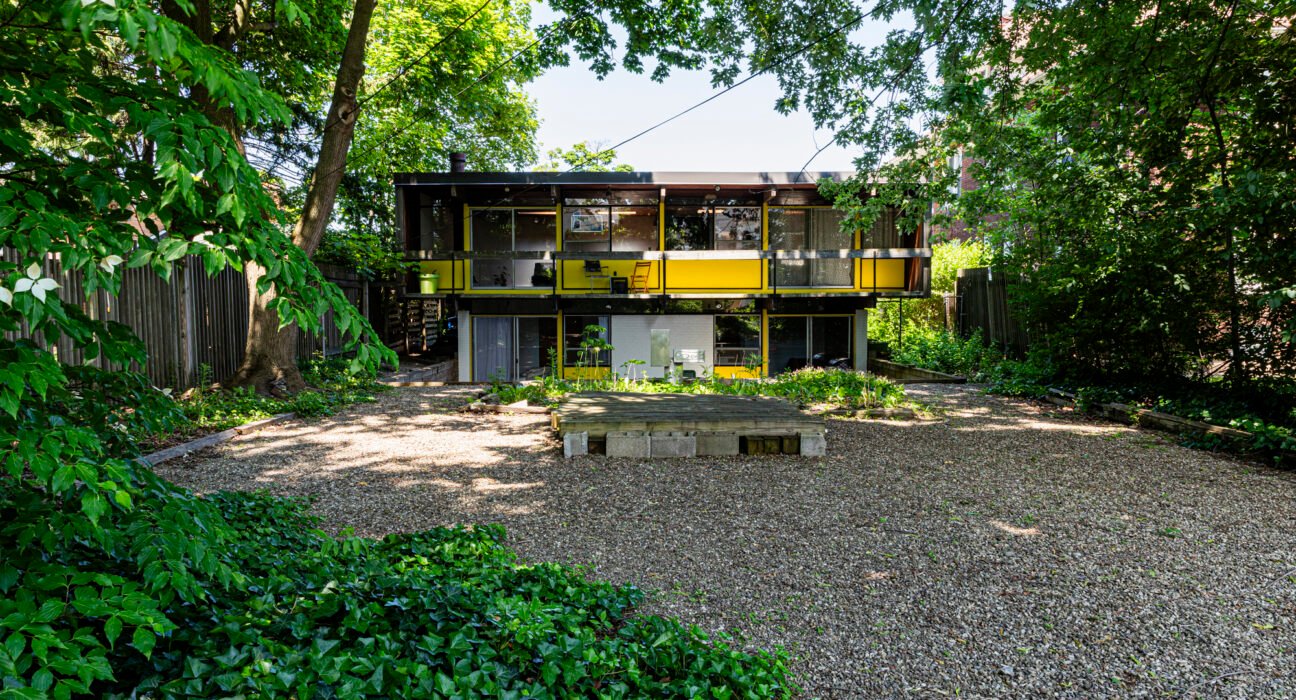
Also in Buffalo, the Robert T. Coles House and Studio is one of the most intriguing residential projects in recent architecture news. Built in 1961 using prefabricated units arranged around a garden and courtyard, it anticipates many themes now popular in luxury home design: privacy, modularity, and seamless connections between architecture and landscape.
8. Universal Life Insurance Company Building by McKissack and McKissack
Completed in Memphis in 1949, this commercial landmark underscores the legacy of one of the oldest Black-owned architectural firms in the United States. Its interpretation plan and repairs will help preserve a major chapter in African American business and design history.
Design Lessons for Luxury Homes and Interiors
Beyond preservation, this architecture news offers practical inspiration for today’s luxury sectors. Architects and interior designers can draw from these sites in several ways:
- Use restraint as a luxury principle — strong forms and thoughtful detailing often create more impact than excess ornament.
- Prioritize spatial flow — courtyards, gardens, and transitional spaces add calm and sophistication.
- Honor context — the best luxury design responds to site, climate, and community history.
- Design for longevity — buildings worth preserving usually begin with durable ideas, not fleeting trends.
As conversations around luxury decor and luxury home design evolve, cultural literacy is becoming as important as visual taste. Understanding the contributions of African American modernists enriches how we see quality, innovation, and elegance.
The Bigger Takeaway from This Architecture News
The most meaningful architecture news does more than announce projects; it changes what the public values. Conserving Black Modernism is helping expand the story of American design by protecting landmarks that deserve a permanent place in the canon.
For anyone passionate about luxury architecture, luxury decor, and design heritage, the takeaway is clear: preservation is not backward-looking. It is a forward-thinking investment in beauty, identity, and excellence. As this architecture news continues to unfold, it offers a richer, more inclusive vision of modernism—one that will inspire future homes, interiors, and cities alike.